

In 1927, a Michigan conservation officer found a way to shorten a 14-hour river journey to Tahquamenon Falls. His solution involved an abandoned logging railroad, a Ford Model T fitted with railroad wheels, and a small passenger boat. It eventually became one of the Upper Peninsula’s most familiar tourist excursions.
The History of Tahquamenon Falls Michigan includes the development of the state park, but the Toonerville Trolley and Riverboat Tour tells a less familiar story. For generations, families traveled by train and boat from Soo Junction to reach a waterfall that was once difficult to visit by road.

History of Tahquamenon Falls Michigan: Before the Tourist Trains
The Tahquamenon River was a travel route long before sightseeing boats appeared. Native American communities used the river and its portage trails for generations. When state geologist Douglass Houghton traveled the river in 1840, he recorded signs of long-established travel and settlement near the falls.

By the late 1800s, the eastern Upper Peninsula’s timber industry was changing how people used the river. Logging crews cut wood inland and moved it toward mills and markets. Railroads reached into forests where ordinary roads offered little help.
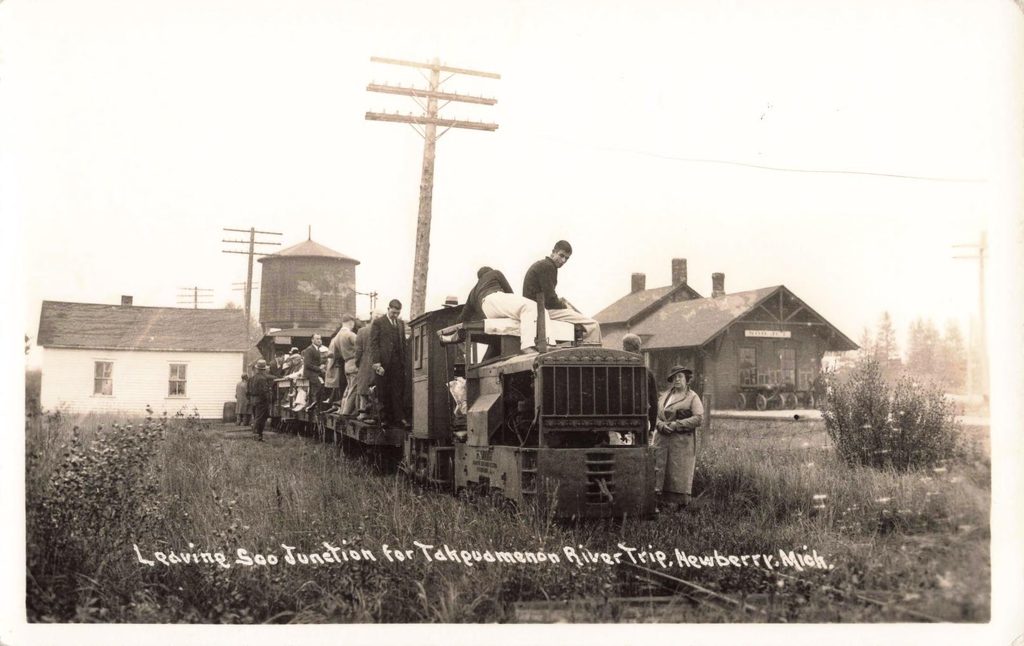
One of those rail lines ran east from Soo Junction, a connection on the Duluth, South Shore and Atlantic Railway near Newberry. Lumberman Robert Hunter used the branch to serve a mill near the Tahquamenon River. His sawmill operated from about 1910 until 1925, leaving behind a rail connection with an entirely different possible future.
Joe Beach Turns a River Patrol Into a Tourist Business
Joe Beach worked as a state conservation officer on the Tahquamenon River. His patrols took him to the rapids above the Upper Falls, a journey that could require 14 hours round trip. According to historical accounts of the excursion business, visitors regularly asked to accompany him.

Beach recognized the falls’ appeal, but the long boat trip limited how many people he could take. Hunter’s unused logging railroad supplied the missing link. In 1927, the two men established an excursion from Soo Junction to the river, followed by a boat trip to a landing above the waterfall.
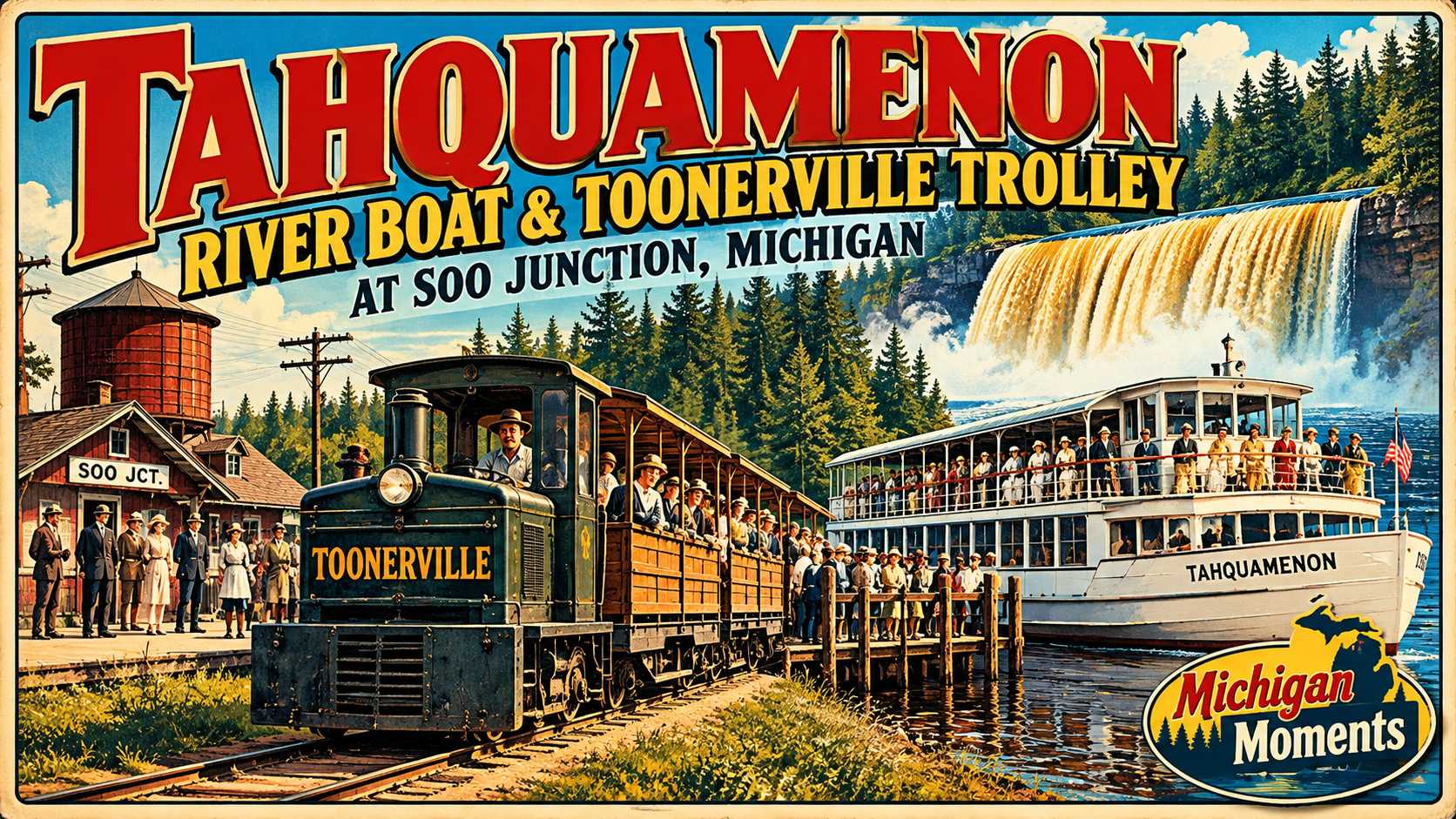
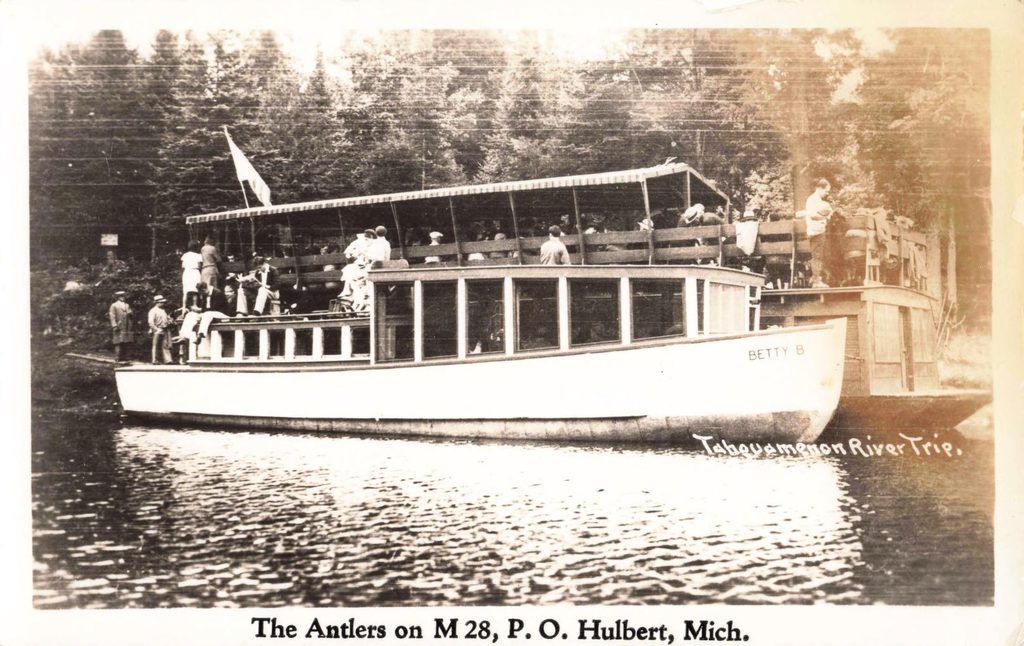
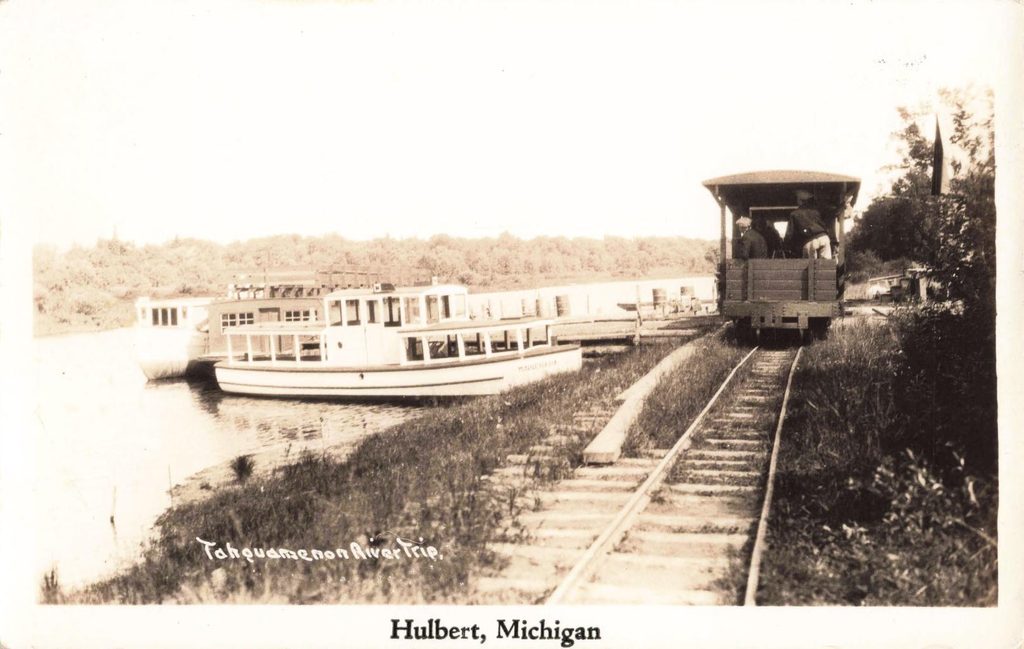
The first rail vehicle was a Model T truck modified to ride on standard-gauge railroad tracks. It pulled a small passenger car toward Hunter’s Mill. There, they boarded the Betty B for a 21-mile river journey, then walked to the falls. The arrangement was unusual, but it worked.
Why the Railroad Became the Toonerville Trolley
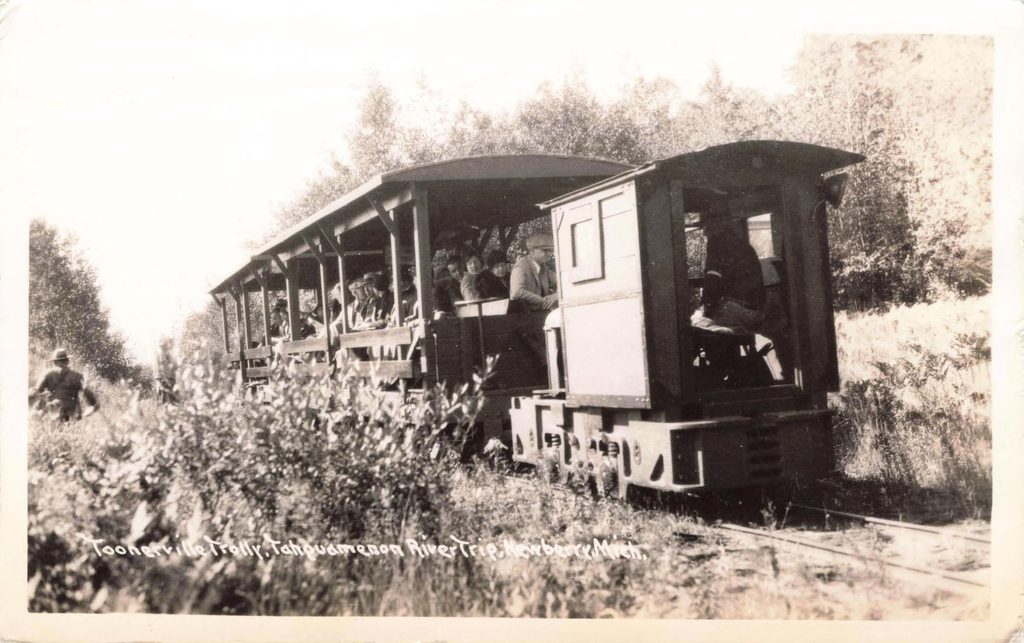
As demand increased, the operators needed a larger train. In 1933, they converted the railroad to 24-inch gauge, with tracks only two feet apart, and acquired a locomotive and four flatcars. The narrow gauge was practical for a former logging route and unusual enough to become an attraction in its own right.

The name came from Toonerville Folks, Fontaine Fox’s widely read comic strip featuring a little trolley and its driver, the Skipper. For readers familiar with the cartoon, the comparison was easy to understand. A modest railway rattling through the woods had an appealingly comic name.
The journey covered approximately five and a half miles before reaching the river landing. This connection made the trip possible: a railway line that once linked a sawmill to the wider railroad system.
The Betty B and Minnehaha Take Visitors Downriver
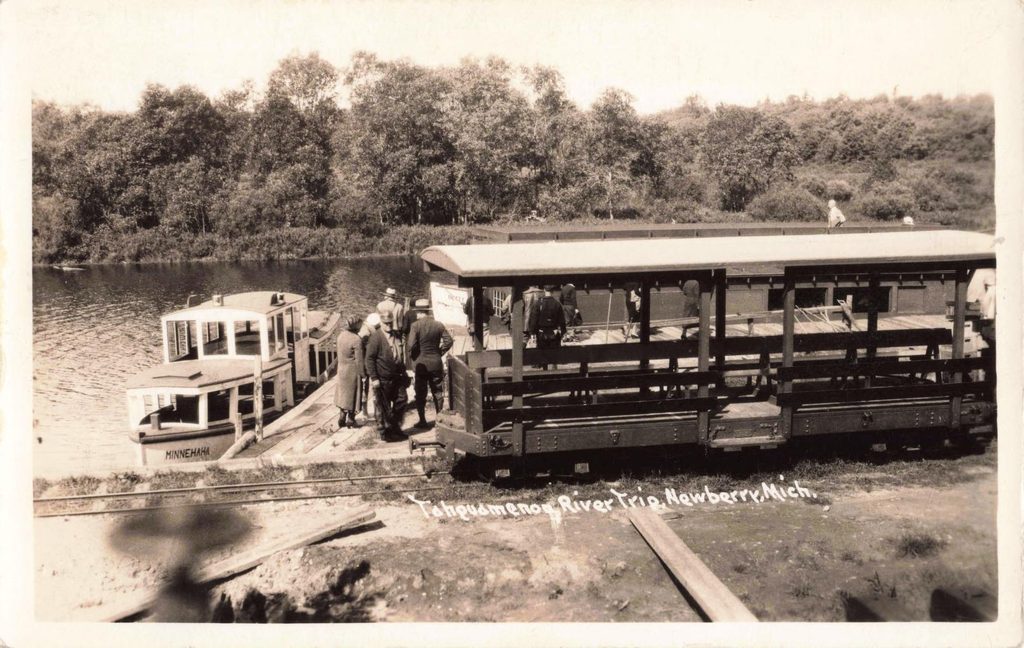
At Hunter’s Mill, the tracks ended, and the water journey began. Small boats, including the Betty B and Minnehaha, carried early customers. The boats had covered seating, while open areas offered a better view of the riverbanks.
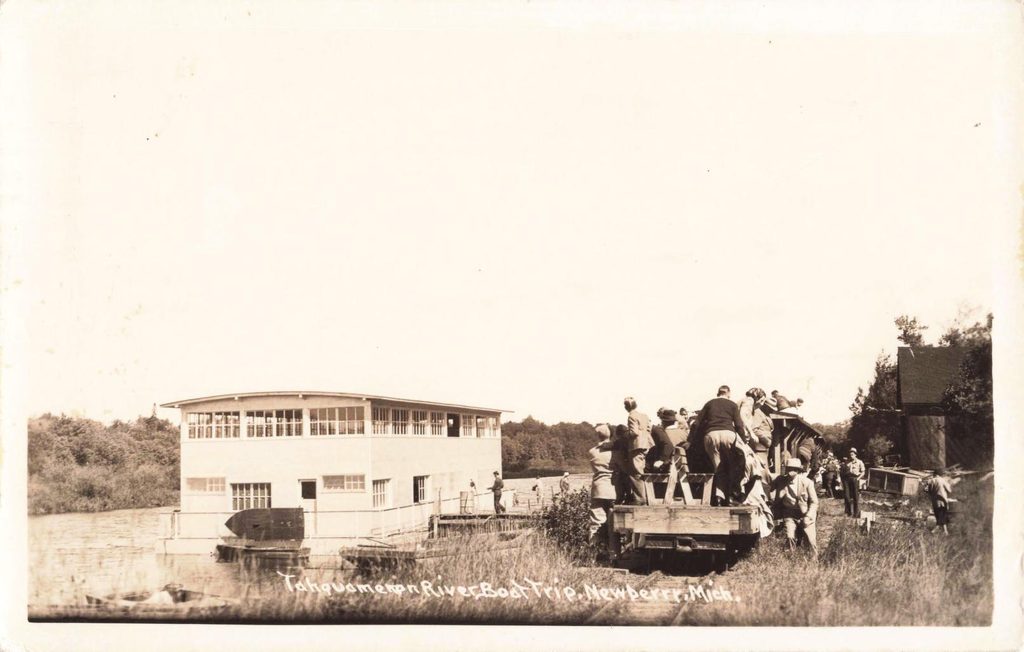
The riverboat did not carry passengers directly to the edge of the waterfall. It stopped at a landing above the Upper Falls, and travelers completed the trip on foot. That detail is easy to miss in old advertisements: the boat ride, the forest walk, and the waterfall viewing were all parts of one excursion.
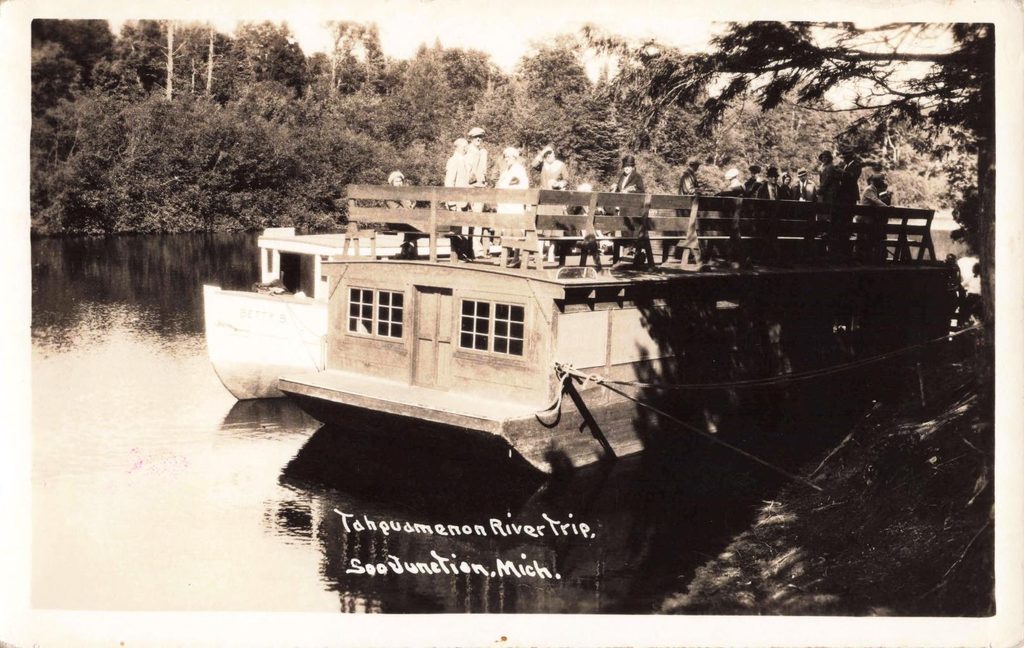
The trip also introduced visitors to the Tahquamenon’s distinctive water. Tannins washed from cedar swamps and other wetlands give the river its dark amber color. When the water tumbles over the falls, its mild chemistry helps create the pale foam Tahquamenon is known for.
A 400-Passenger Boat With a Dance Floor
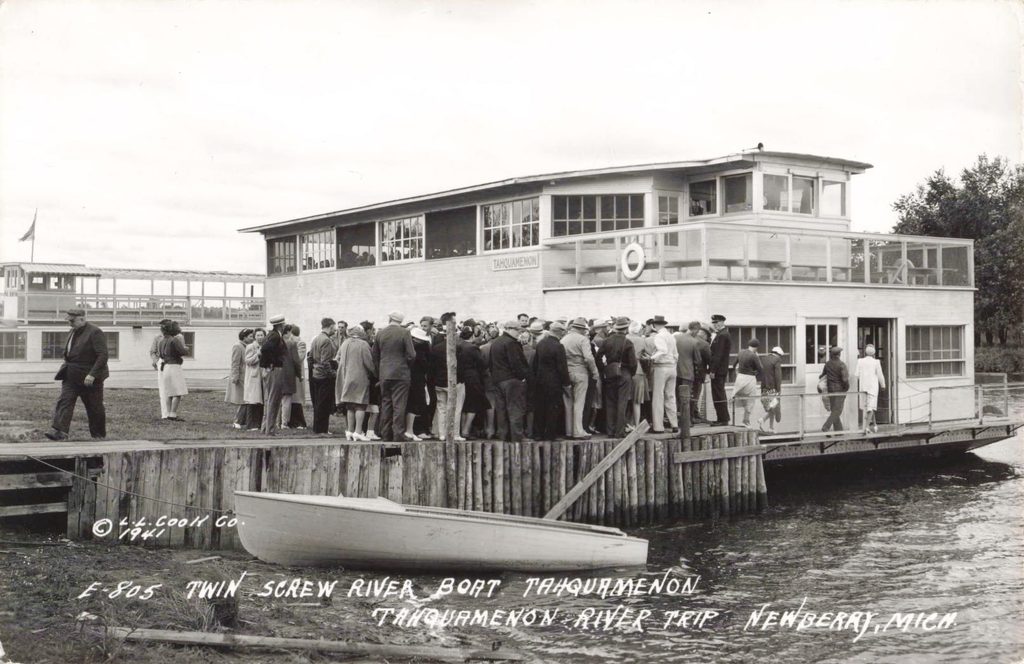
By the late 1930s, the trip’s popularity had outgrown the small boats. In 1938, a new vessel named Tahquamenon entered service. Built by Ed Trombley, it reportedly held as many as 400 passengers. It also offered a dance floor and jukebox, letting passengers enjoy themselves during a day that often meant many hours on the water.

A second large boat, the Paul Bunyan, joined the operation in 1940. The name recalled the logging culture that had once sustained the railway and the local economy. On especially busy days, the two boats could carry more than 700 people.

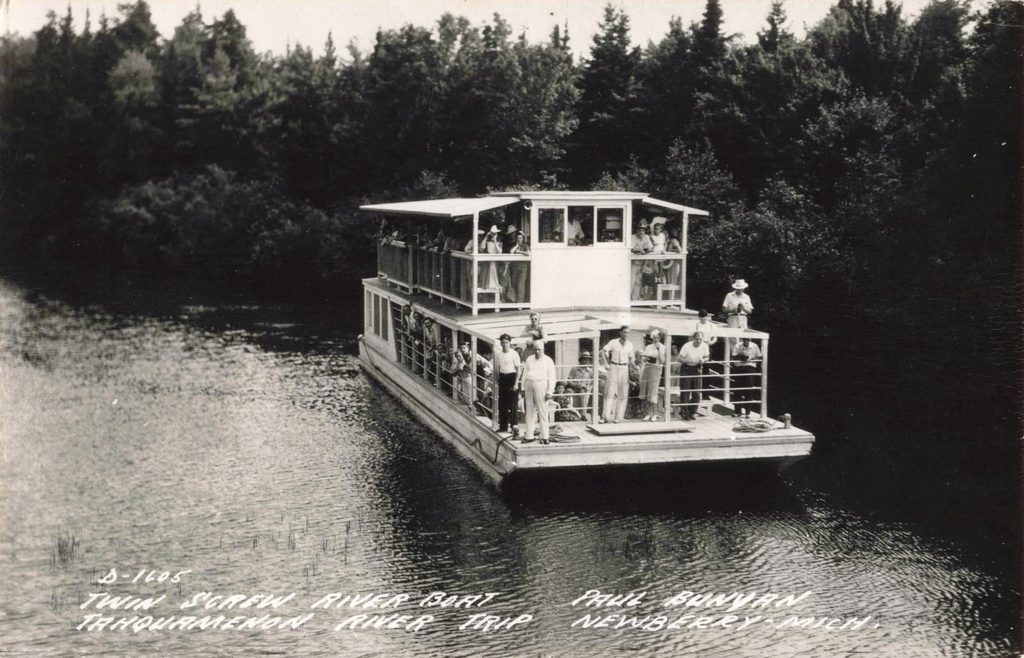
A 1941 postcard shows the twin-screw Tahquamenon at a crowded dock. Another shows the Paul Bunyan moving through quiet water with passengers along its railings. The crowds make clear why the excursion needed more than the original Model T and small boat.
The Upper Falls Before the State Park Highways
At the end of the river journey, passengers left the boat and followed a trail toward the Upper Falls. There they could see the Tahquamenon River spread more than 200 feet across before plunging about 50 feet over a sandstone ledge. Visitors approached on foot, often over uneven ground.

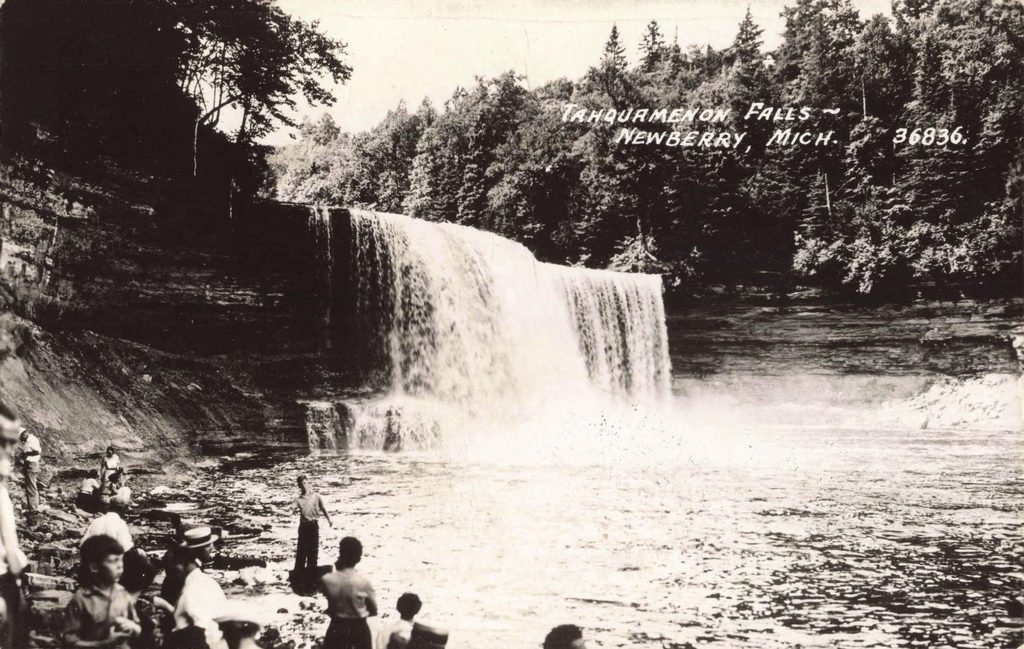
Interest in preserving the falls grew during the 1920s and 1930s. Local organizations promoted the area while state officials studied how to protect it. Tahquamenon Falls State Park was formally established in 1947, followed by roads and public facilities that eventually made the waterfalls accessible by automobile.
Those developments changed the excursion’s role in the History of Tahquamenon Falls Michigan. The train and riverboat were no longer necessary to reach the falls, but they continued to offer a slower, guided journey through a part of the river most drivers never saw.
After Joe Beach: The Hiawatha and the Stewart Family
Joe Beach died in 1947. His son, Richard J. Beach, continued the operation and eventually introduced a new riverboat. The Hiawatha, built in 1963, replaced the older Tahquamenon and could carry about 250 passengers. The complete excursion eventually took roughly six and a half hours.
The Stewart family purchased the business in 1981. Under Kris and Dixie Stewart, the Toonerville Trolley continued carrying families, school groups, and vacationers to the river. Many passengers returned years later with their own children or grandchildren.
The Final Season and the Effort to Save the Train
The business finished its 96th operating season in 2023. The Stewarts had been seeking a buyer as they prepared to retire, but no sale materialized. In September 2024, they announced that the historic attraction was closing. The original train-and-riverboat tour has not resumed.

In 2025, Paul and Gina Wilson of Skandia began an effort to acquire the narrow-gauge locomotives and passenger cars for the Neo Wilson Memorial Railway. A July 2026 report described an active fundraising and equipment-purchase effort. The proposal concerns the train equipment, not a return of the riverboat route at Soo Junction.
The History of Tahquamenon Falls Michigan now includes that closing chapter. At the state park, a new accessible boardwalk opened in May 2026, providing another way to reach the Upper Falls. At Soo Junction, the old depot views and riverboat postcards preserve the earlier arrangement: a logging railroad, a boat landing and an entire day organized around reaching the waterfall.
Tahquamenon Falls Historical Timeline
Tahquamenon Falls:
From Logging Rails to Riverboat Adventures
The remarkable history of the Toonerville Trolley and Tahquamenon Riverboat Tour, from the early lumbering years to the final excursion and efforts to preserve its historic trains.
-
A River With a Long History
Michigan state geologist Douglass Houghton travels the Tahquamenon River. He records evidence of long-established Native American routes near the falls. The river had served Indigenous communities for generations before Michigan’s logging and tourism eras.
-
About 1910
The Lumber Railroad Arrives
Lumberman Robert Hunter operates a sawmill and logging railroad linking Soo Junction with the Tahquamenon River. The railway carries timber through the eastern Upper Peninsula, where logging remains an important source of employment.
-
Hunter’s Mill Closes
The sawmill shuts down, leaving the railroad without its former lumber traffic. The tracks remain in place. Within two years, they will become part of an entirely different business.
-
The Great Train-and-Riverboat Adventure Begins
Conservation officer Joe Beach and lumberman Robert Hunter establish a new excursion to Tahquamenon Falls. Their first railway vehicle is a Ford Model T truck modified to run on railroad tracks. Passengers ride to the river before boarding the small excursion boat Betty B.
-
The Toonerville Trolley Takes Shape
The railroad is converted to a narrow 24-inch gauge. Small locomotives and open-sided passenger cars replace the original Model T equipment. The railway becomes widely known as the Toonerville Trolley, borrowing its name from a popular American comic strip.
-
A Giant Riverboat With a Dance Floor
A new double-deck riverboat named Tahquamenon enters service. The vessel can reportedly carry up to 400 passengers. Its amenities include a dance floor and jukebox, bringing a little entertainment to the long river journey.
-
Paul Bunyan Joins the Fleet
Another large excursion boat, the Paul Bunyan, enters service. Named for Michigan’s famous fictional lumberjack, the new vessel helps handle growing tourist crowds. On especially busy days, the two larger boats can accommodate more than 700 visitors.
-
Tahquamenon Falls Becomes a State Park
Michigan formally establishes Tahquamenon Falls State Park. Joe Beach also dies that year, and his son Richard continues the excursion business. New roads and park facilities will eventually allow visitors to reach the waterfalls without taking the train and riverboat.
-
The Hiawatha Enters the Story
A new riverboat named Hiawatha is built. It eventually replaces the older Tahquamenon and becomes a familiar vessel on the excursion. The train-and-boat trip continues to attract families visiting the Upper Peninsula.
-
The Stewart Family Takes Over
The Stewart family purchases the Toonerville Trolley and Riverboat Tour. Kris and Dixie Stewart operate the attraction for decades, welcoming families, school groups and returning visitors to the historic excursion.
-
The Last Train-and-Riverboat Season
After 96 operating seasons, the excursion completes what becomes its final season. The owners have been seeking a buyer as they prepare to retire. A tourist tradition that began with a modified Model T reaches the end of its original run.
-
An Era Officially Ends
The owners announce that the Toonerville Trolley and Riverboat Tour will not reopen. The closure ends the original Soo Junction excursion, leaving questions about the future of its locomotives, passenger cars and railway equipment.
-
Efforts to Save the Little Railroad
A preservation effort seeks to acquire the historic Toonerville Trolley equipment for the Neo Wilson Memorial Railway near Skandia, Michigan. The original riverboat tour remains closed, but supporters hope the railroad equipment can return to passenger service at a new location.
Frequently Asked Questions
When did the Toonerville Trolley begin?
The rail-and-river excursion began in 1927. The 24-inch-gauge railroad was introduced in 1933, replacing the earlier modified Model T rail vehicle
How far did visitors travel?
Passengers rode approximately five and a half miles by rail and then traveled 21 miles by riverboat to a landing above the Upper Falls. A walk to the falls completed the trip.
Can visitors still ride the original Toonerville Trolley and riverboat tour?
No. The Soo Junction excursion last operated in 2023. A separate effort is seeking to preserve the trolley equipment for possible use at a railway near Skandia
What makes Tahquamenon Falls water brown?
Natural tannins from wetlands in the river’s watershed give the water its amber color. The water’s softness contributes to the foam visible below the falls.
Do You Remember the Toonerville Trolley?
Did your family ride the train or the riverboat? If you have a postcard, ticket, or memory of a trip from Soo Junction, please share what you know in the comments. Firsthand details can help fill gaps left by the surviving records.
📚 Works Cited

McGinn, Sterling. “Farewell to the Toonerville Trolley and Riverboat Tour.” Newberry News, 13 Sept. 2024.
McGinn, Sterling. “Historic Toonerville Trolley Seeks New Home in Skandia.” Newberry News, 13 Oct. 2025.
McGinn, Sterling. “Who Will Buy the Toonerville Trolley?” Newberry News, 7 Sept. 2023.
Michigan Department of Natural Resources. “Tahquamenon Falls State Park.” Michigan.gov.
Neal, Theresa. “Developing the Tahquamenon Falls.” Michigan Department of Natural Resources, 17 Oct. 2019.
Save Toonerville Trolley. “A Brief History of the Toonerville Trolley.” Save Toonerville Trolley.
University of Michigan Library. “Twin Screw River Boat Tahquamenon, Tahquamenon River Trip, Hulbert, Mich.” David V. Tinder Collection of Michigan Photography, 1941.
Williams, Jalen. “U.P. Parents Honor Son, Save Toonerville Trolley.” Detroit Free Press, 13 July 2026. Republished by AOL.