

Empire, Michigan, sits in one of the most striking parts of the Lake Michigan shore. Today, many people think first of the beach, the bluffs, and the nearby dunes. But the History of Empire Michigan starts with ships, sawmills, and a town built to work. Local history shows Empire took shape in the 1860s as a shore settlement with a dock, school, church, and regular contact with steamers and schooners.
Video – History of Empire Michigan – The Mill Town Fire That Changed Everything

A village built by water traffic

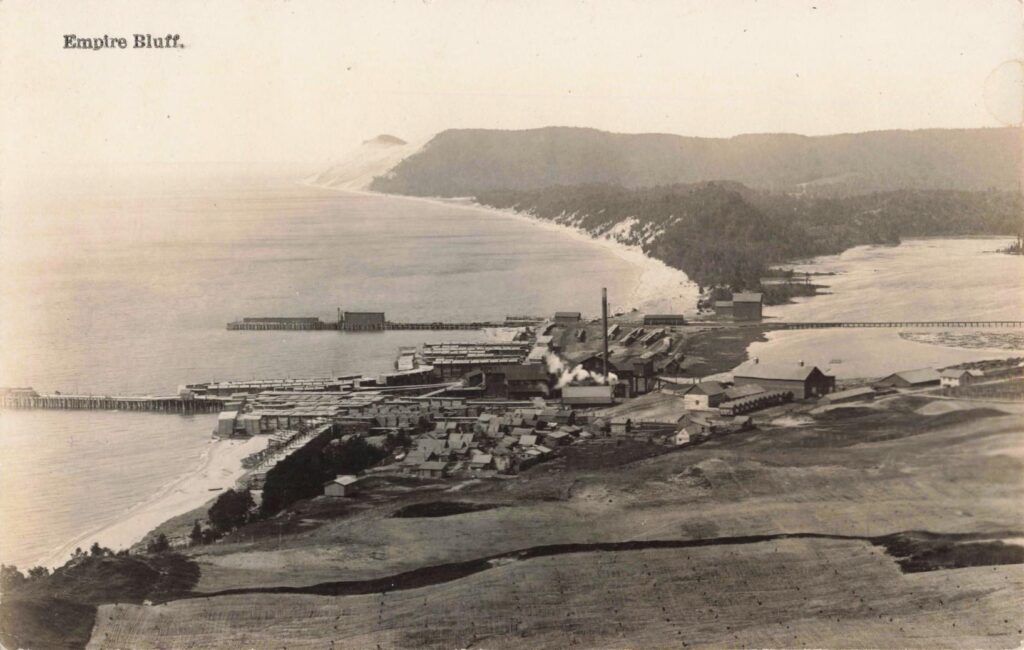
Empire did not begin as a quiet resort town. It began as a working place tied to the water. Leelanau history sources say John LaRue moved there in 1864, and other early families followed. The settlement soon had a wooding station where passing steamers could take on fuel. That detail tells us a great deal about the town’s early purpose. Empire was part of the Great Lakes trade system before it became part of the tourism map.
The village name itself points back to shipping. Local histories tie the name to the vessels Empire connected to the area in 1849 and 1865. Whether people arrived, left or shipped goods, the shoreline was central.
The lumber years changed everything

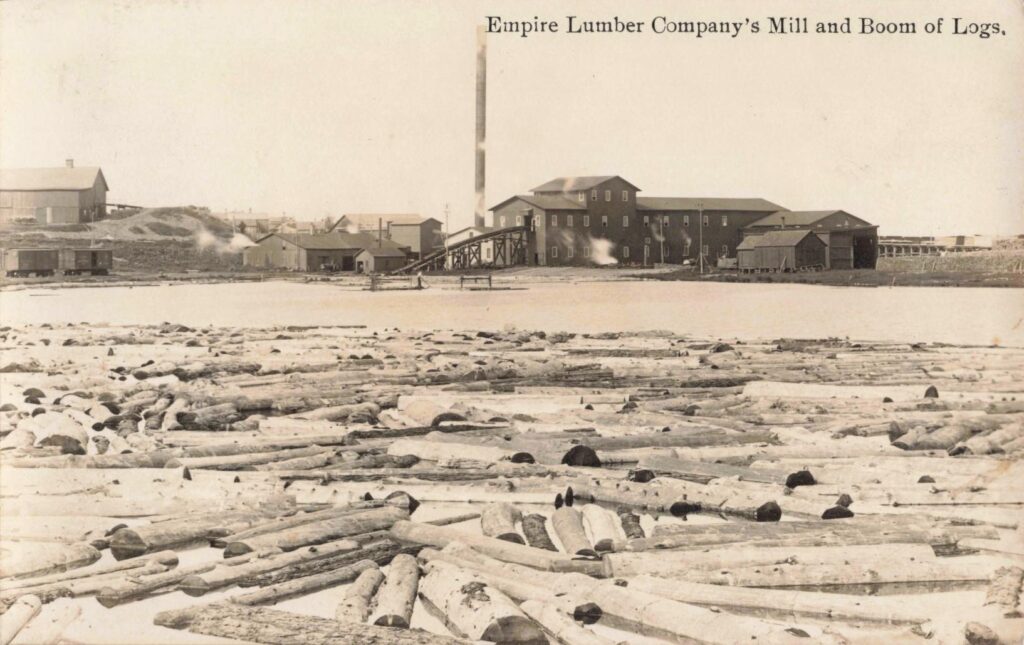
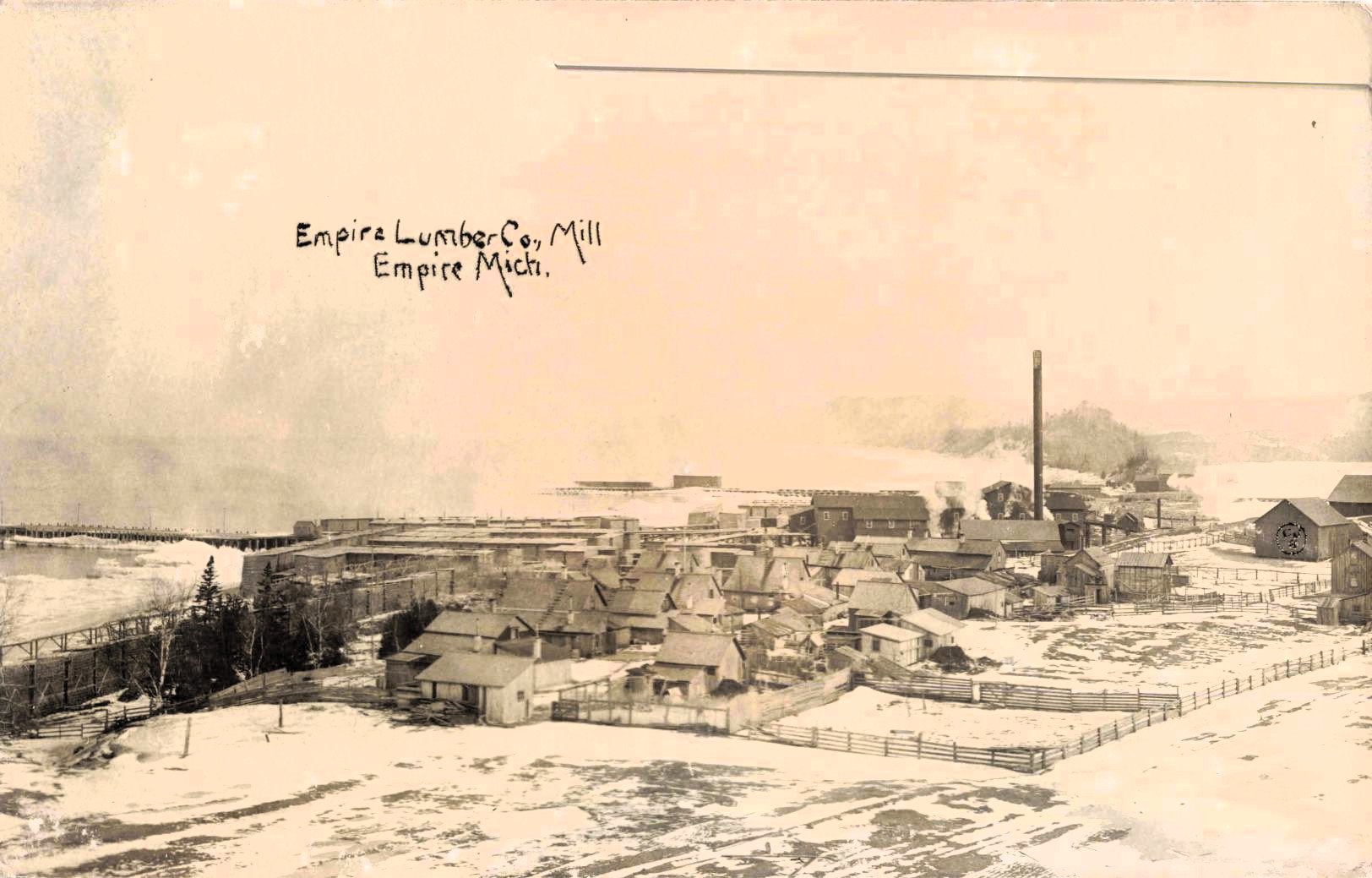
The History of Empire, Michigan, cannot be told without the Empire Lumber Company. In 1887, the T. Wilce Company established the Empire Lumber Company and turned the local mill complex into one of the largest hardwood operations in the area. Marker text and local history say the company could produce up to 20 million feet of lumber a year. Docks, businesses and a railroad connection followed.
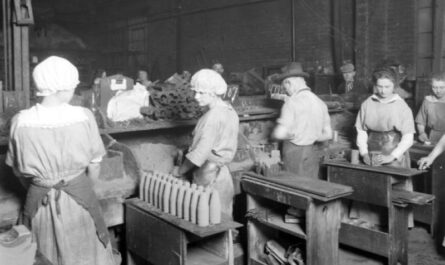
This was the era when Empire had the feel of a boom town. The mill yard, log booms, and harbor would have been full of motion. Workers were needed in the woods, at the dock, and in the mill itself. Nearby neighborhoods grew around the industry. Local history even notes a settlement of Norwegian mill workers known as Norway Town.
Fire, loss and a hard turn

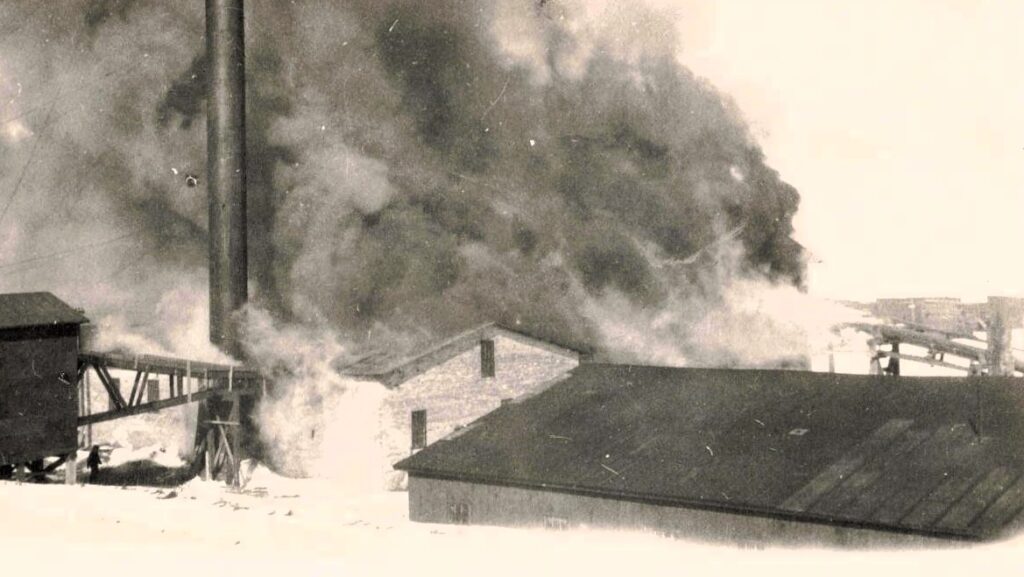
Like many northern Michigan lumber towns, Empire lived with risk. The mill burned in 1906. It was rebuilt. Then it burned again in 1917. This time, with much of the nearby virgin timber already gone, it was not replaced. That could have ended the town’s strongest period of growth.
This is where the History of Empire Michigan becomes more interesting than a simple boom-and-bust story. The Empire did not vanish when the mill era ended. It changed direction.
Orchards rose from cutover ground

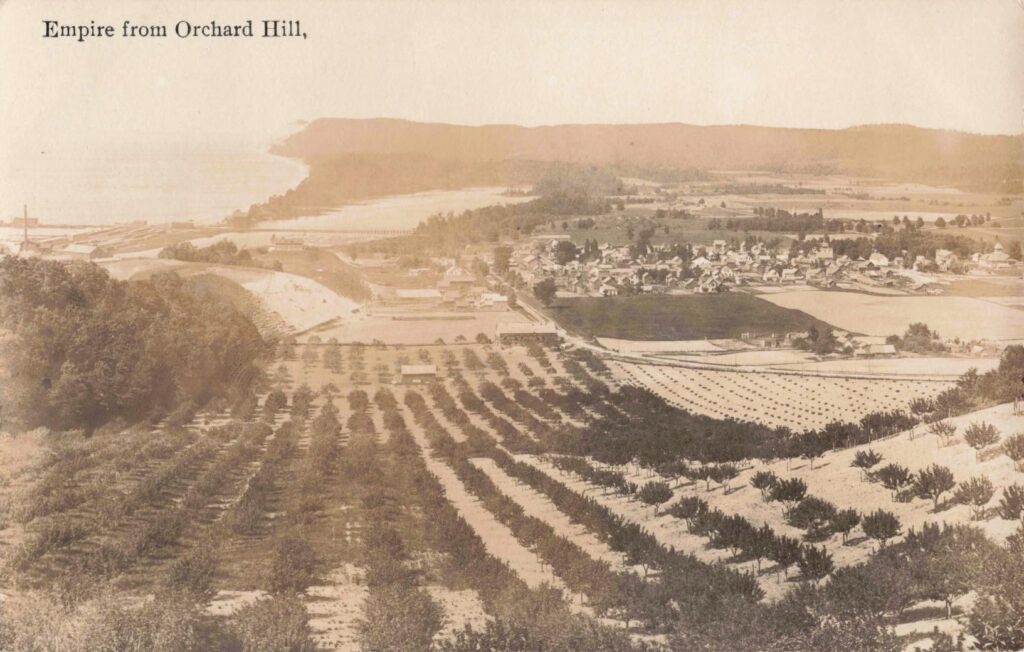
The surprising part of Empire’s story is that the clearing of the forest opened the door to a new economy. The National Park Service says the Empire Lumber Company planted extensive orchards on logged-over lands around 1910. Local history adds that the Wilce interests were already farming more than 600 acres of apples and peaches by 1898.
That shift says a lot about northern Michigan in the early 20th century. Lumber towns that survived often did so because they found another use for the land. In Empire, that meant fruit. The same company that once helped strip timber from the ground was tied to the orchards that helped steady the village afterward.
Families who bridged one era to the next

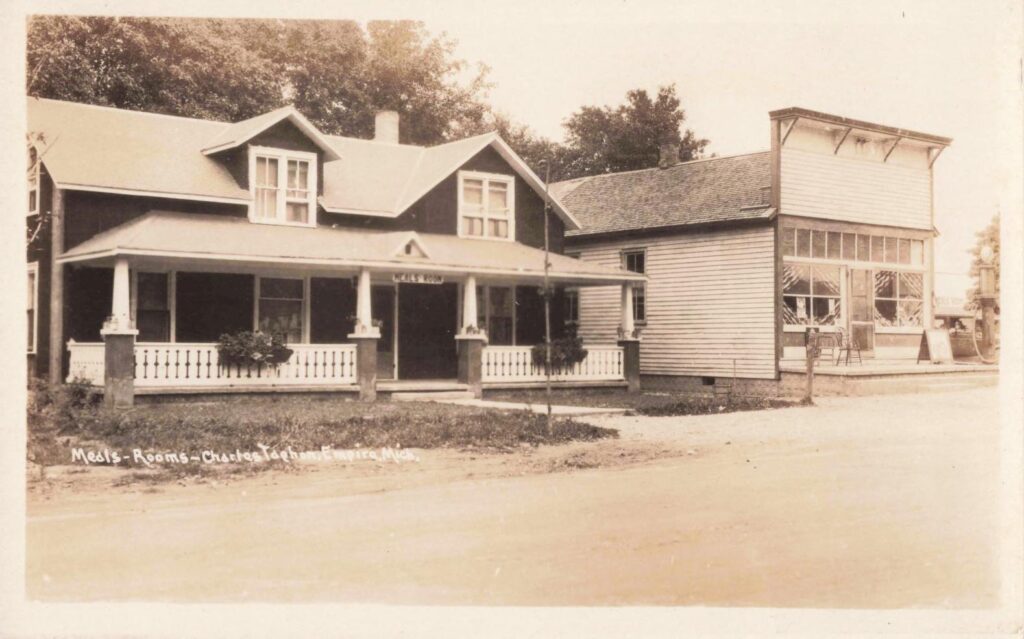
Charles and Louise Taghon came from Belgium in 1905. Charles worked at the Empire Lumber Mill. After the mill fire changed local conditions, the family farmed leased land and ran a store and boarding house. That single-family story mirrors the larger village story: labor first, then adaptation.

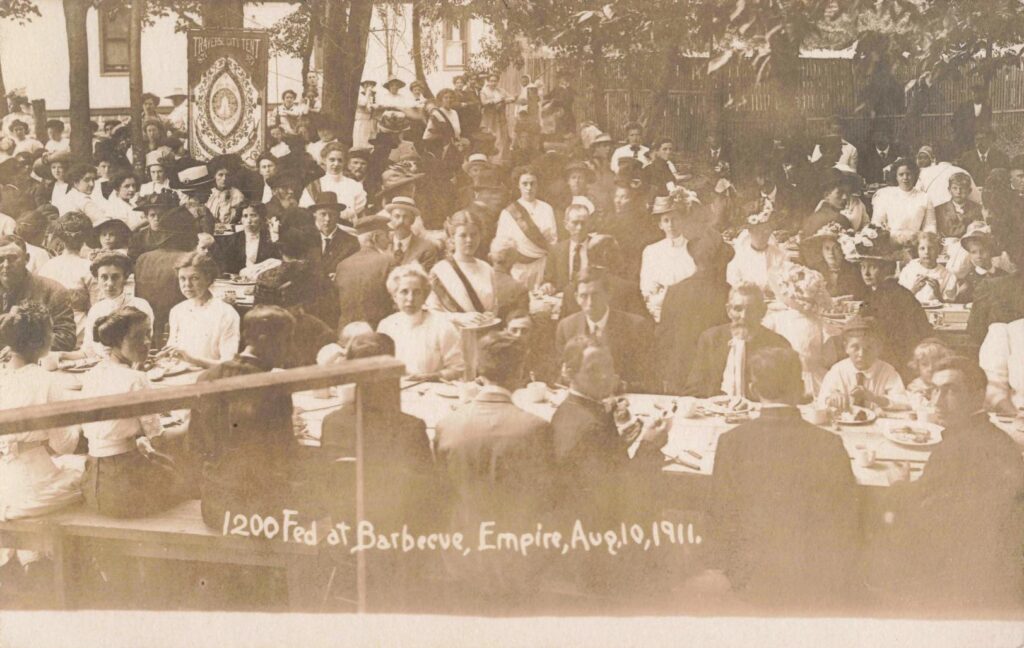
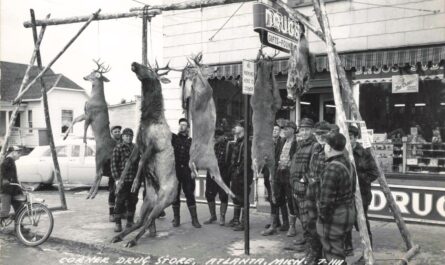
One photo we found noted that “1200 Fed at Barbecue” event. It shows a village that gathered in large numbers and had a social life beyond the workday. In towns like Empire, community events helped hold people together through years of change.
A bank and school signaled staying power

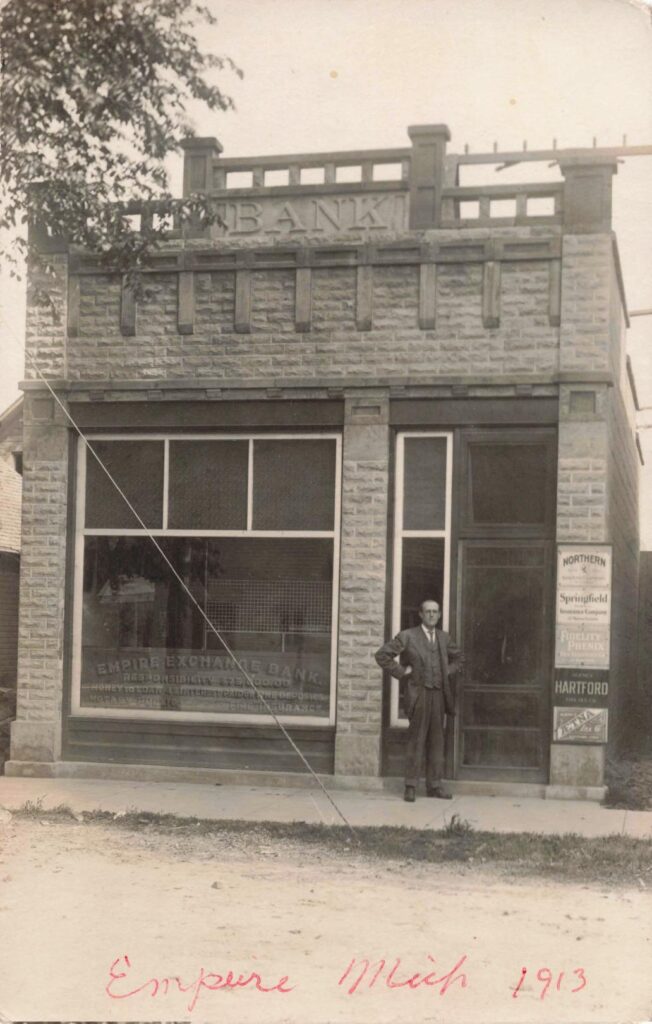
A real town needs more than industry. It needs institutions. Empire had them.
The Empire Exchange Bank began business in 1906, giving the village a formal financial center during a time of change and growth.

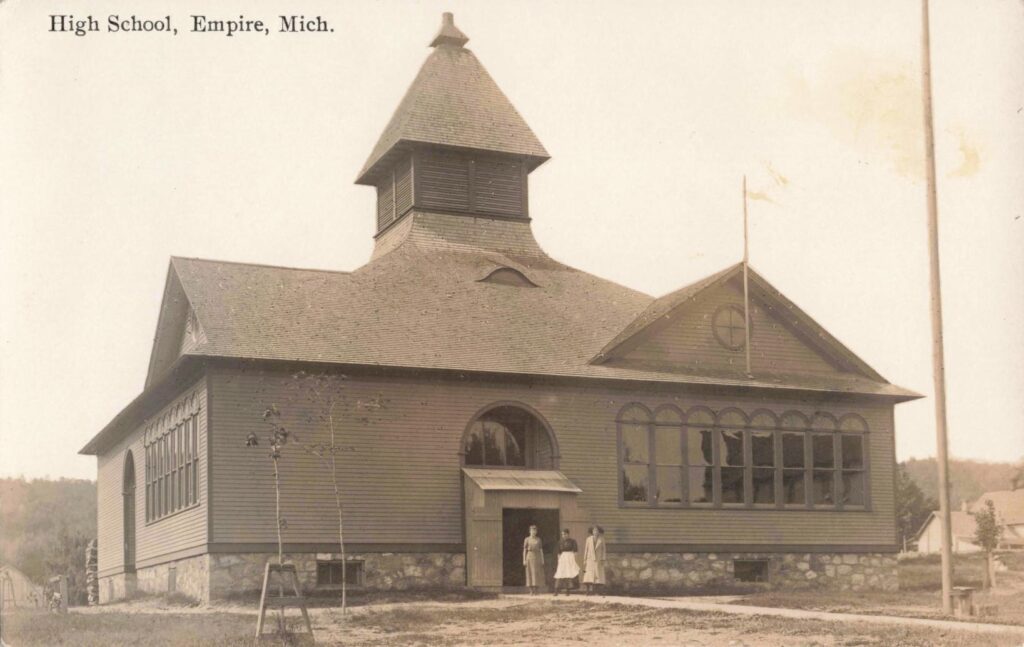
Empire also had a long history of schools. Local history says the early settlement had a school by the 1860s. Later records show that after a 1891 school building burned in 1899, a new school was completed in 1901.
The shore never stopped shaping the town
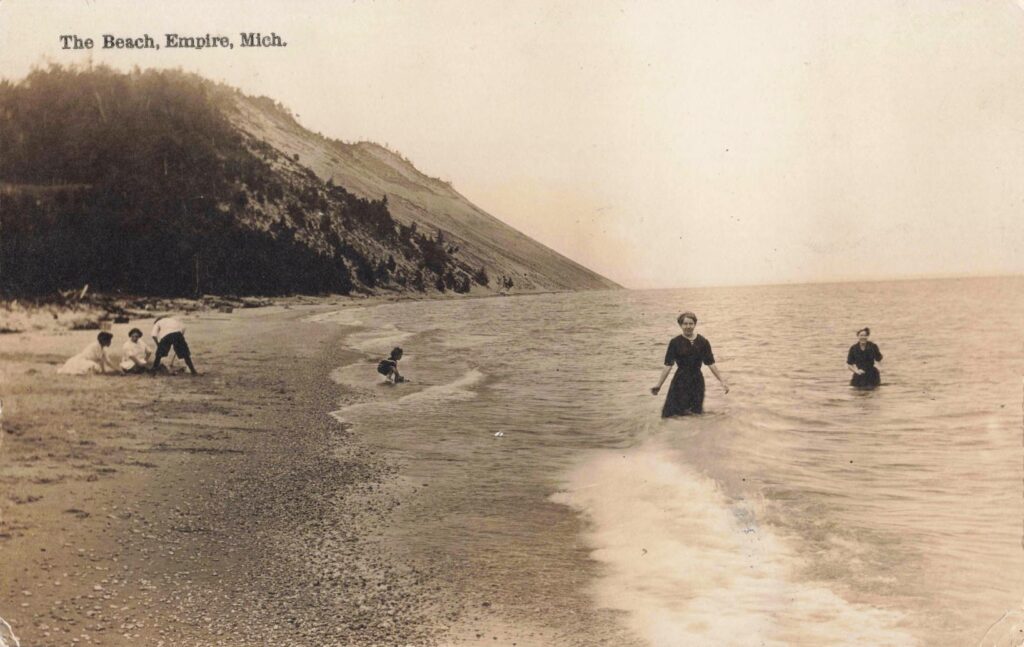
The History of Empire Michigan is also the story of place. The village sits beneath high glacial bluffs and along a shore that later became part of Sleeping Bear Dunes National Lakeshore. The National Park Service says the Empire Bluffs and nearby dune forms were shaped by glaciers, wind, and wave erosion over thousands of years.
This is why the town’s later identity makes sense. Long before the national lakeshore, Empire already had the shore, the beach, and the bluff views that would draw later visitors. But those features meant something different to earlier residents. They were not simply attractive. They were part of work, travel, farming conditions, and local life.
Why the History of Empire Michigan still holds up

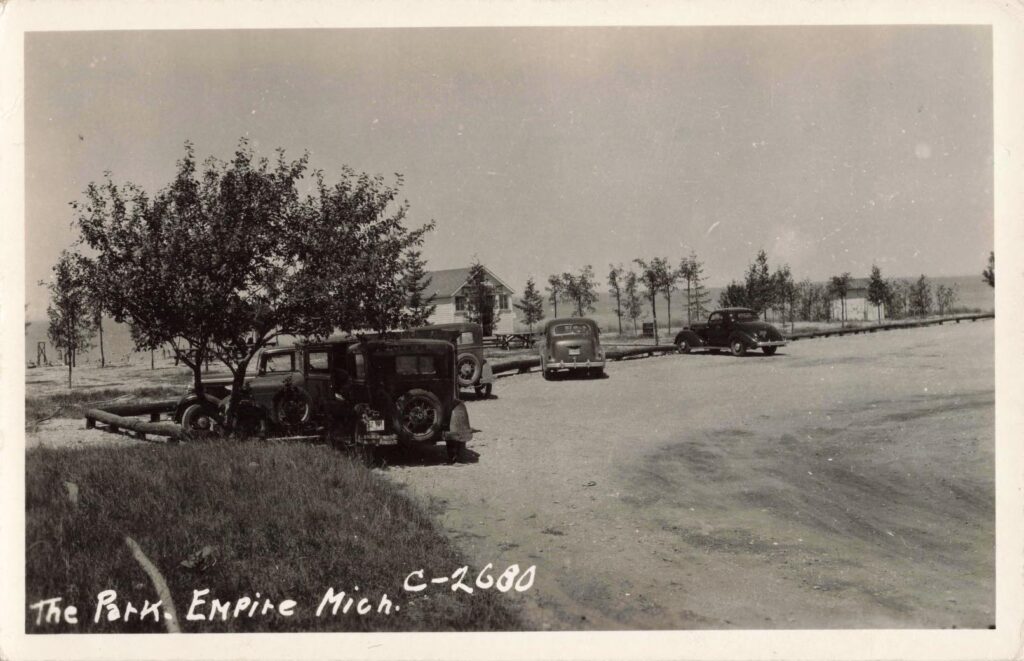
The best reason to remember Empire is not that it once had a big mill. Many towns did. It is that Empire changed without losing itself. It moved from harbor settlement to lumber town, from lumber town to orchard country, and from there into the village many people know today.
That arc gives the History of Empire Michigan unusual force. Fire destroyed its main employer. Timber ran short. The economy had to change. Yet the town endured. In that sense, Empire stands for a broader Michigan story. It shows how small places survived by adapting, not by staying fixed.