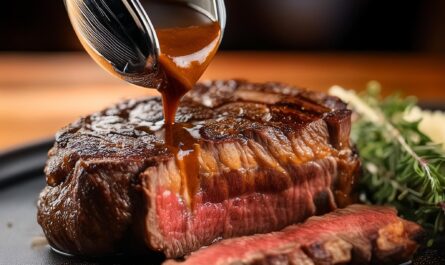


Detroit has no shortage of foods people claim as their own. Coney dogs, square pizza, Vernors, and Better Made all get their turn. But among steak lovers, one local favorite still stands apart: Zip Sauce. Rich, buttery, and built to soak into a seared steak, Zip Sauce is one of those old Detroit touches that feels both fancy and familiar. So what is Detroit Zip Sauce… it’s the kind of thing that turns a dinner into a ritual.
What makes Zip Sauce worth talking about is not just the taste. It carries a piece of Detroit restaurant history with it. The sauce grew out of an era when the city’s dining rooms were locked in a quiet contest for status, regular customers, and bragging rights. In that fight, a memorable house specialty could matter as much as the cut of meat on the plate.
What is Detroit Zip Sauce?

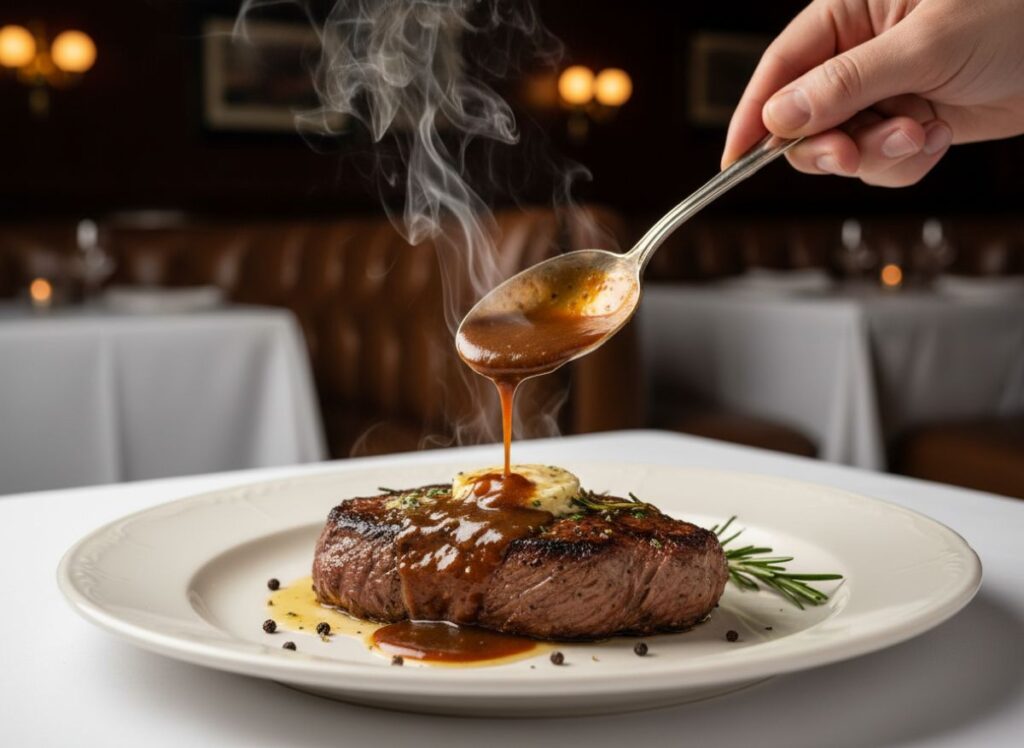
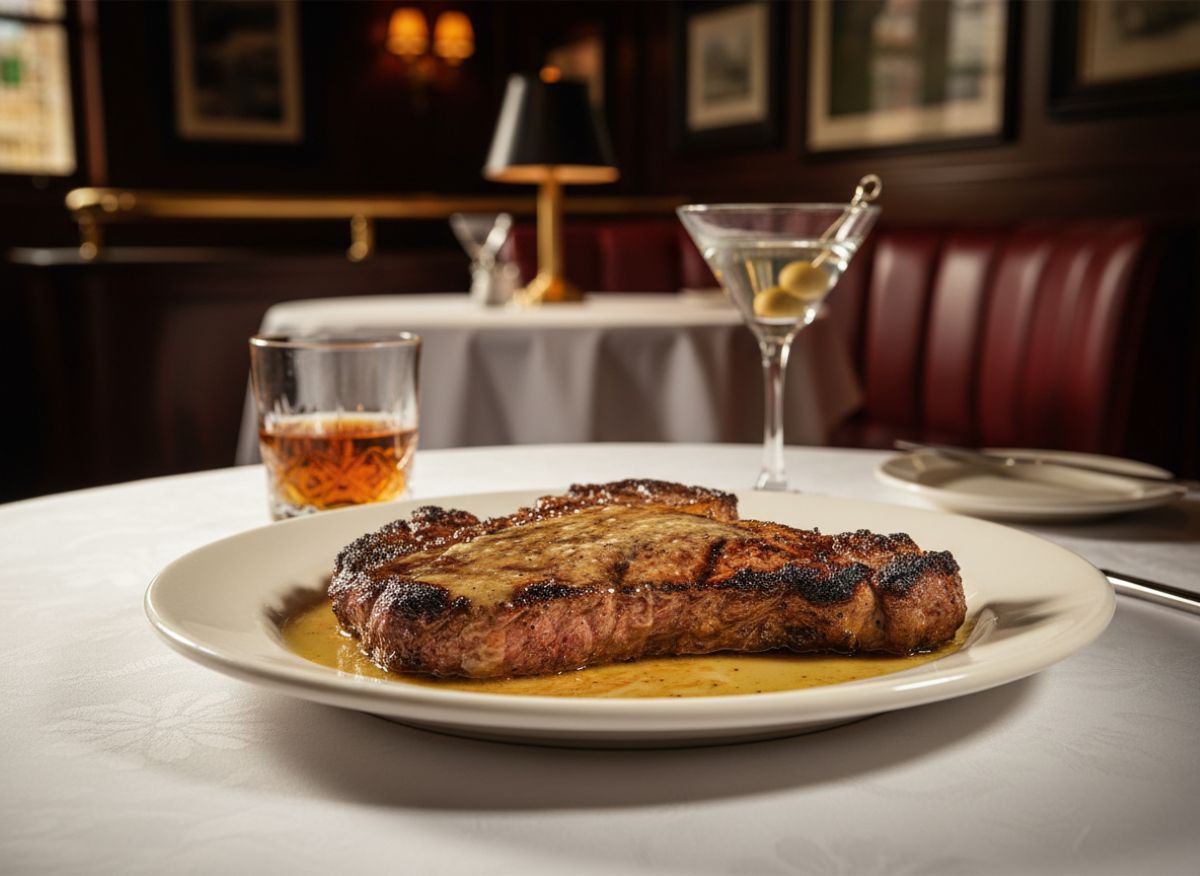
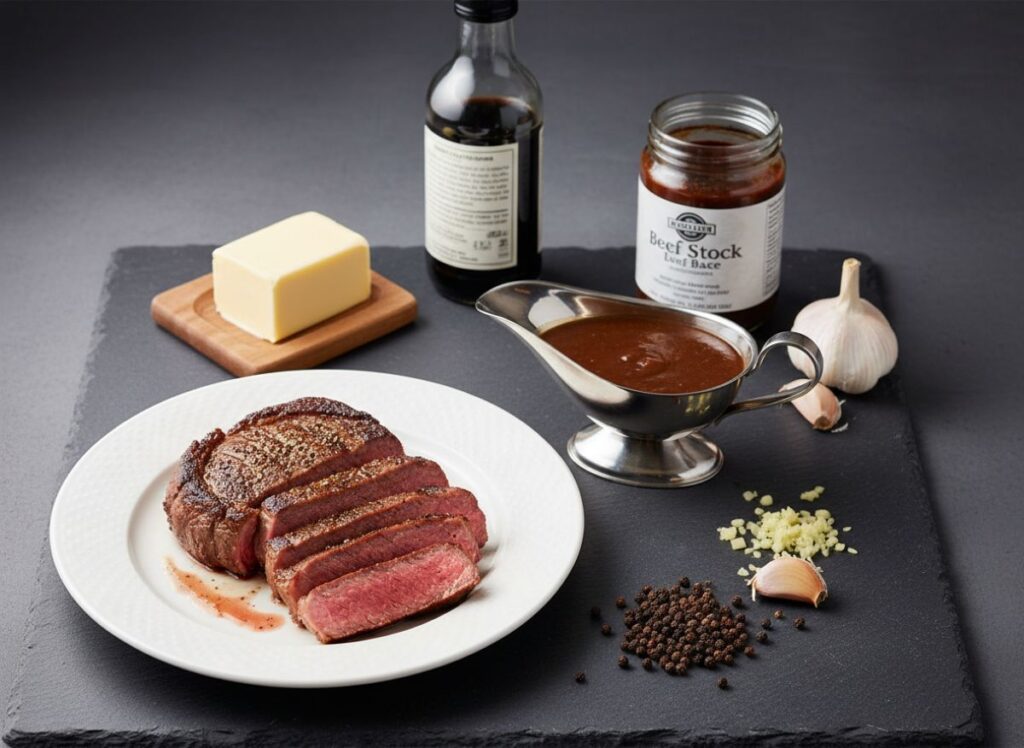
At its core, Zip Sauce is a butter-based steak sauce. Most versions use butter, beef drippings or beef base, Worcestershire sauce, and seasonings, though the exact mix changes from kitchen to kitchen. Some lean heavily on garlic. Others push salt, pepper, or a savory beef note. There is no single official formula, which helps explain why Detroit diners still argue over who makes the best version.
That flexibility is part of the appeal. Zip Sauce is not a bottled national brand. It is a house style. It is tied to restaurants, family copycat recipes and the idea that the best version might still be the one you had years ago at a special dinner.
Where Zip Sauce Came From
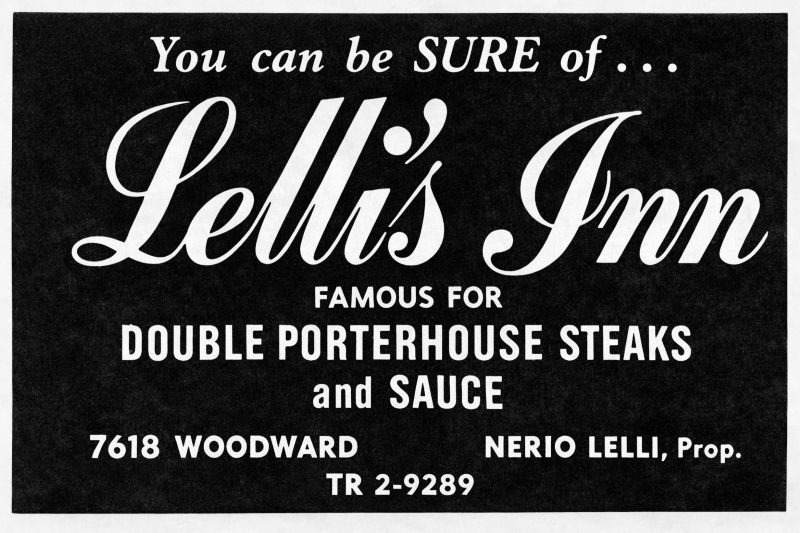
Most accounts trace Zip Sauce back to Mario Lelli, whose Lelli’s Inn opened on Woodward Avenue in 1939. According to the widely cited history of the dish, Lelli created the sauce as a way to separate his restaurant from competitors in a crowded dining market. In 1948, he sold Lelli’s and opened Mario’s Restaurant on Second Avenue, helping carry the sauce deeper into Detroit’s food culture.
That origin story matters because it explains what Zip Sauce was meant to do. It was not just a topping. It was a business move. In a city full of restaurants vying for loyal customers, a signature item gave diners something to remember and return for.
The Steakhouse Race in Old Detroit
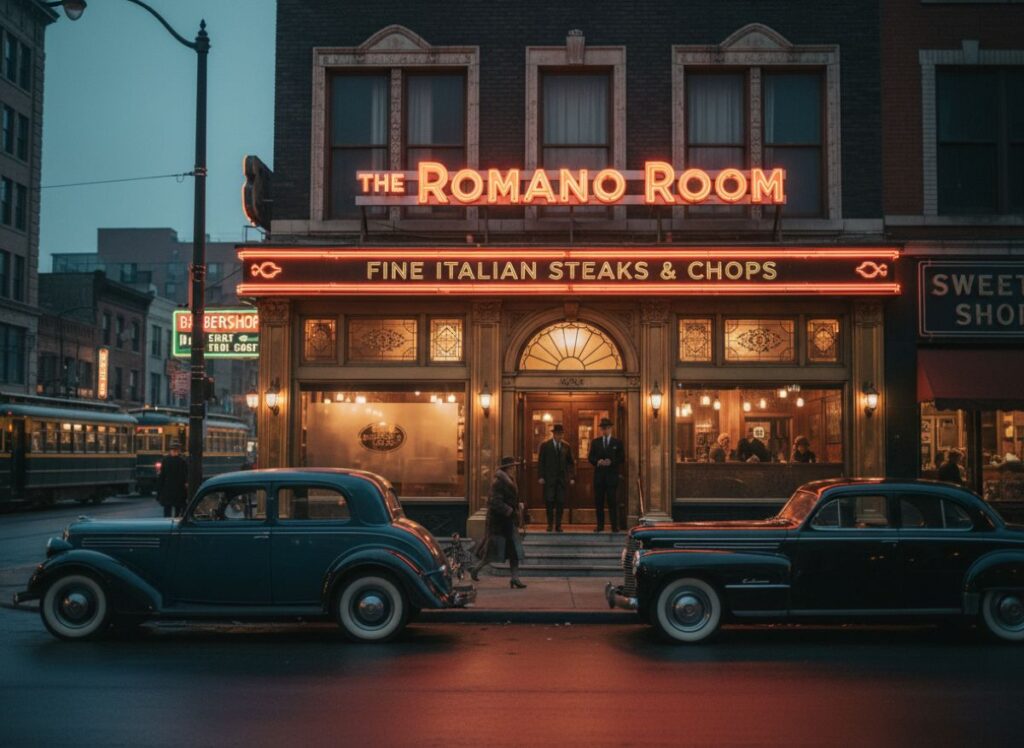
To understand why Zip Sauce caught on, it helps to look at Detroit in its mid-20th-century prime. This was a city of auto executives, suppliers, ad men, politicians, entertainers, and dealmakers. Steakhouses and supper clubs were not just places to eat. They were places to be seen, to close deals, and to mark big occasions. Eater Detroit notes that the classic steakhouse holds a deep place in the city’s dining history dating to the Motor City’s automotive heyday, when executives and officials crowded into chop houses and power-dining rooms.
In that setting, competition was fierce, even when it was not loud. Restaurants fought on service, atmosphere, music, bar programs, and house specialties. A steak alone was not enough. A place needed an identity. That is where Zip Sauce fit in. It gave Lelli’s and later Mario’s a detail diners could not easily get elsewhere.
The Old Guard – Names that Shaped the City

Lelli’s and Mario’s helped define one branch of Detroit’s steakhouse culture, but they were not alone. The London Chop House, whose own materials trace the restaurant to 1938, built a reputation as a magnet for executives, celebrities, and Detroit’s power crowd. Its identity rested on formality, prestige, and the feeling that a dinner there meant something.
The Caucus Club joined that world in 1952 as the sister restaurant to the London Chop House. The restaurant’s official history still leans into that connection, noting its standing in Detroit dining and its role in the city’s nightlife. The Caucus Club also points to one of its most famous claims: Barbra Streisand launched her singing career there in 1961.
These restaurants were not identical, but they competed in the same broad space. They sold old-school polish, status, and repetition. They built regulars. They built myths. And they trained diners to expect that one house would have a signature touch, another did not.
Why Zip Sauce Lasted
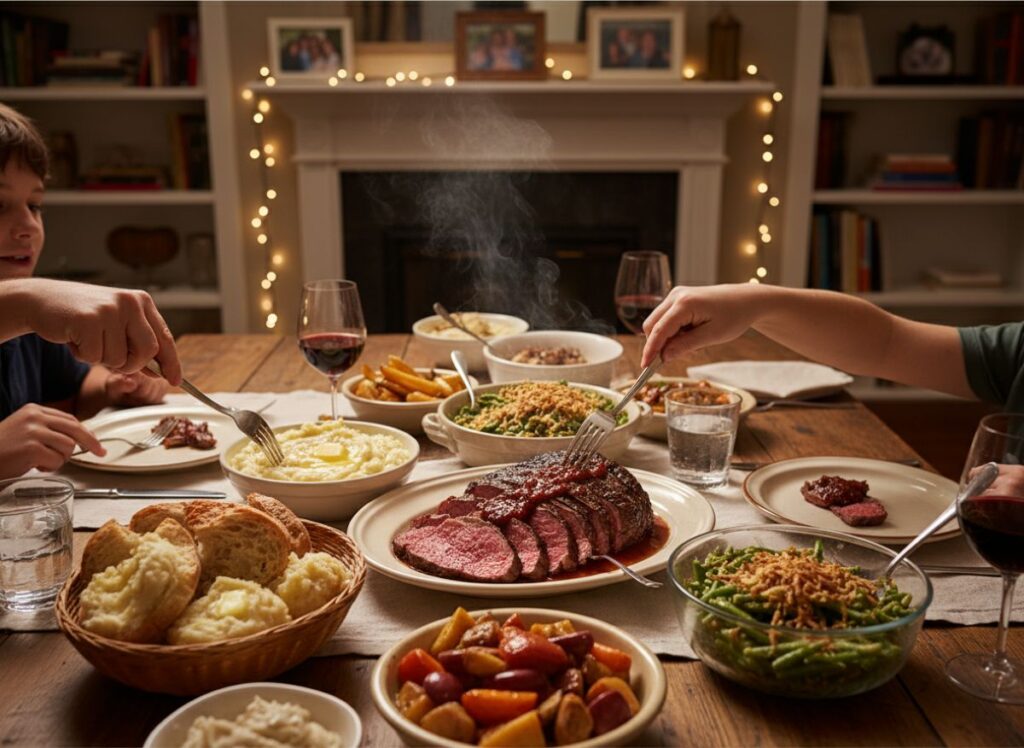
Many house specialties vanish when a restaurant fades. The famous Zip Sauce recipe did not. That is one reason it matters. The sauce outlived the moment that produced it and moved beyond one dining room. Once Detroit diners linked it with a steakhouse experience, other restaurants started serving their own versions. Home cooks followed. Over time, Zip Sauce stopped belonging only to one address and became part of a regional food identity.
That pattern is common in Detroit food. One restaurant or family creates something memorable, then rivals, imitators, and local fans help turn it into a citywide marker. The sauce became shorthand for a certain kind of meal: dark room, strong drink, good steak, big night.
Then vs. now: how the contest changed
The old contest among Detroit steakhouses was built on reputation, repeat customers, and who could own the room. White tablecloths, veteran waiters, piano bars, thick chops, and a famous guest list all mattered. A signature sauce fit that system perfectly because it gave a restaurant a built-in talking point.
Today the contest looks different. Detroit still has classic steakhouses, but the field is broader. Eater Detroit’s current steakhouse guide includes restored legends, suburban institutions, and newer upscale spots. The selling points now go beyond old-school prestige. Restaurants compete on dry-aged beef, wine programs, chef-driven menus, social media appeal and room design as much as they do on tradition.
Even so, nostalgia still sells in Detroit. The London Chop House trades in its historic reputation. The Caucus Club still sells classic dining as part of its brand. And modern restaurants continue to borrow from the city’s old steakhouse playbook, even when they present it in a new way.
Zip Sauce in the Present Day

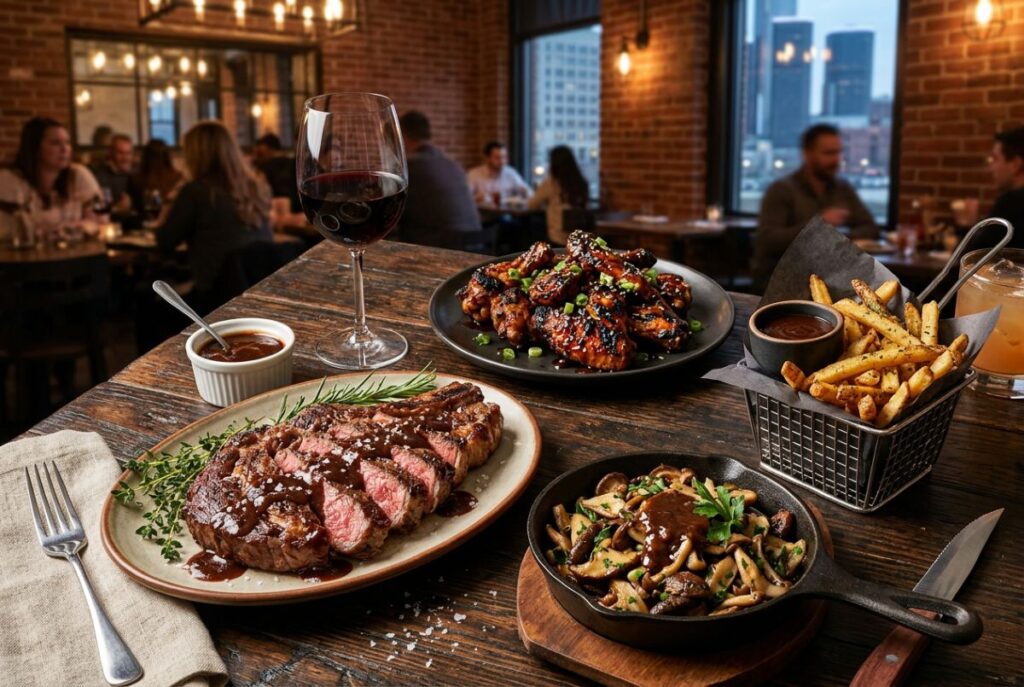
One sign that Zip Sauce still matters is that it has moved well beyond steak. Eater Detroit recently noted a metro Detroit restaurant serving chicken wings flavored with zip sauce, proof that the name still carries weight even outside the classic steakhouse plate. That tells you something important: Zip Sauce is no longer just a relic. It is still useful shorthand for Detroit flavor, and chefs know diners recognize it.
That also helps explain why the sauce remains a strong topic for food writing. It sits at the intersection of local pride, memory and practicality. Readers want to know what it is, where it came from and whether they can make it at home.
Why Detroiters Still Care About the Zip
Detroiters still care about Zip Sauce for the same reason people care about any long-running local food tradition. It reminds them of birthdays, anniversaries, business dinners and family nights out. It points back to a version of Detroit that prized big downtown nights and polished service. And unlike some old restaurant customs, it can still be recreated in a home kitchen.
That may be why Zip Sauce has lasted when so many once-famous dining rituals have faded. It was born from restaurant rivalry, but it survived because customers carried it with them. The best local foods usually do.
A Final Taste – A sauce born from rivalry

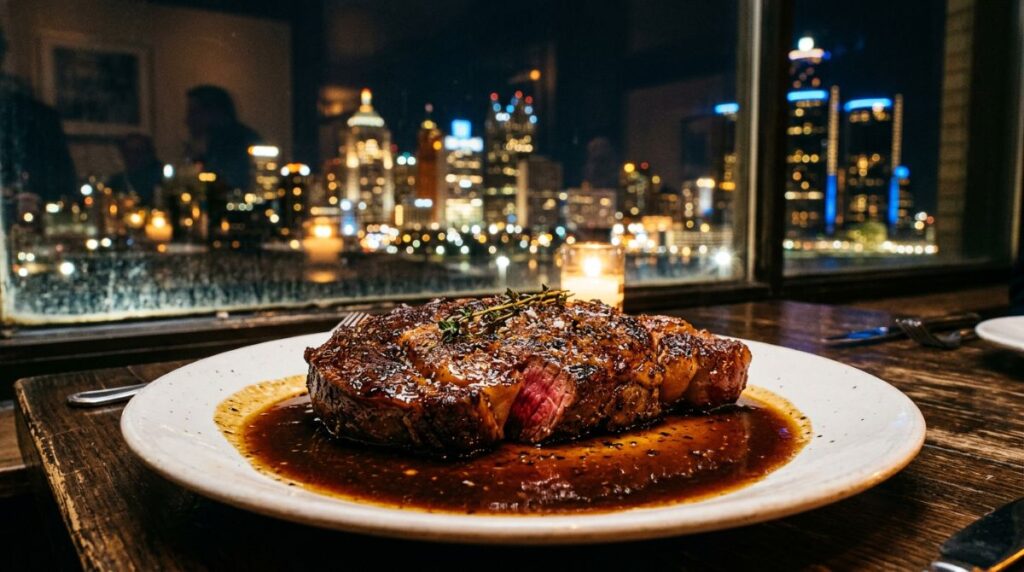
Zip Sauce started as a competitive edge in Detroit’s steakhouse race. Mario Lelli needed a way to stand out, and the sauce gave diners a reason to remember his table over another. From there, it spread through the city’s dining culture and settled into Michigan food history.
Today, Detroit’s steakhouse scene is more crowded and more modern than the one that gave birth to Zip Sauce. But the sauce still holds its ground. That is because it offers more than flavor. It carries the memory of a city that once made a night out at a steakhouse feel like a statement, and in some places, still does.