 by
by Long before Mackinac Island became known for horse-drawn carriages, fudge shops and summer tourism, it was one of the busiest fur-trading centers in North America. Canoes crowded the shoreline beneath towering limestone bluffs. French voyageurs unloaded pelts gathered from the forests and rivers of the Upper Great Lakes. Native traders negotiated deals that connected Michigan’s wilderness to fashion markets in Montreal, New York and Europe.
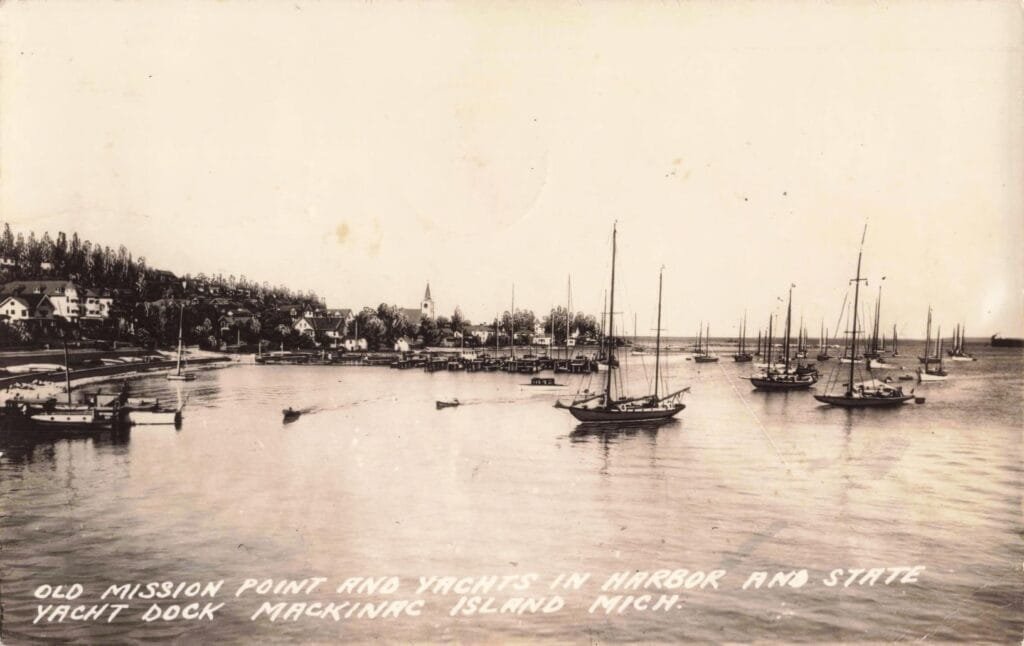
Among the toughest and most successful traders on Mackinac Island was not a military officer or wealthy businessman, but a Métis woman named Magdelaine La Framboise.
Born near Fort St. Joseph around 1780 to an Odawa mother and French-Canadian father, La Framboise built a fur-trading empire that stretched across western Michigan. Fluent in Odawa, French, English and Ojibwe, she became one of the most successful traders in the Northwest Territory at a time when women rarely controlled large commercial businesses.
Her operation grew so successful that John Jacob Astor’s powerful American Fur Company eventually merged with her business rather than continue competing against her.
Today, visitors to Mackinac Island can still see reminders of her life. Her former home survives as the Harbour View Inn. The church she helped support still stands near the center of the island. And beneath the island’s tourist image lies the largely forgotten story of the woman many historians now consider Michigan’s first major businesswoman.
Mackinac Island Before Tourism
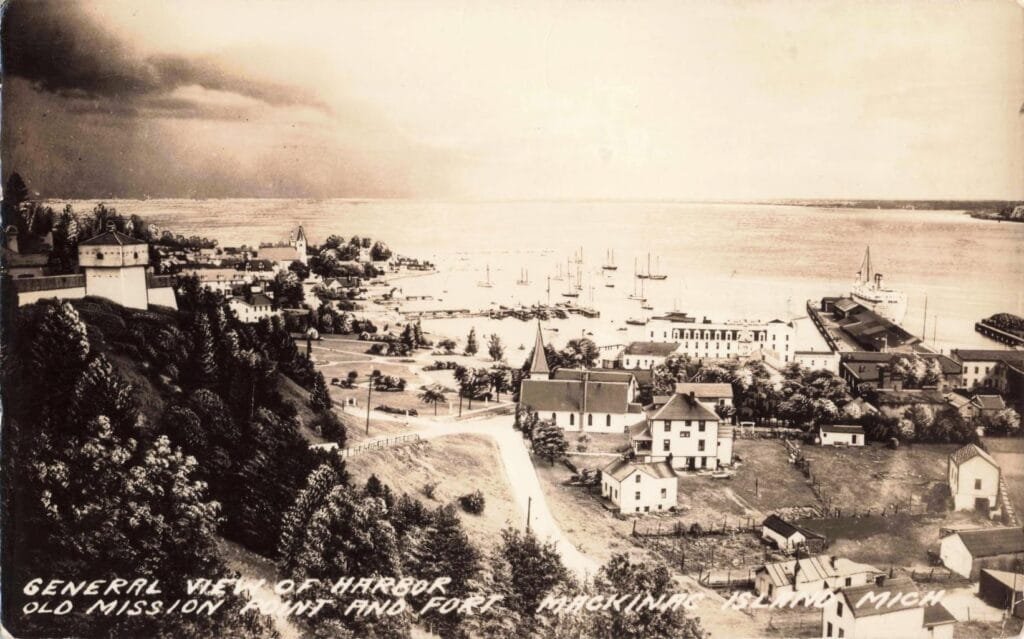
Long before tourists arrived by ferry, Mackinac Island sat at the center of a vast transportation and trade network linking the upper Great Lakes.
For centuries, Odawa, Ojibwe and other Native peoples traveled through the Straits of Mackinac, using the narrow water passage between Lakes Michigan and Huron as a critical trade route. The island itself held spiritual and cultural importance. Early Native inhabitants referred to the island as “Michilimackinac,” often translated as “Great Turtle,” a reference to the island’s turtle-like shape rising from the water.
French explorers and missionaries arrived in the 1600s. By the late 17th century, French traders had transformed Mackinac into one of the most important fur-trading posts in North America. Beaver pelts became the economic engine of the region as European demand for felt hats exploded.
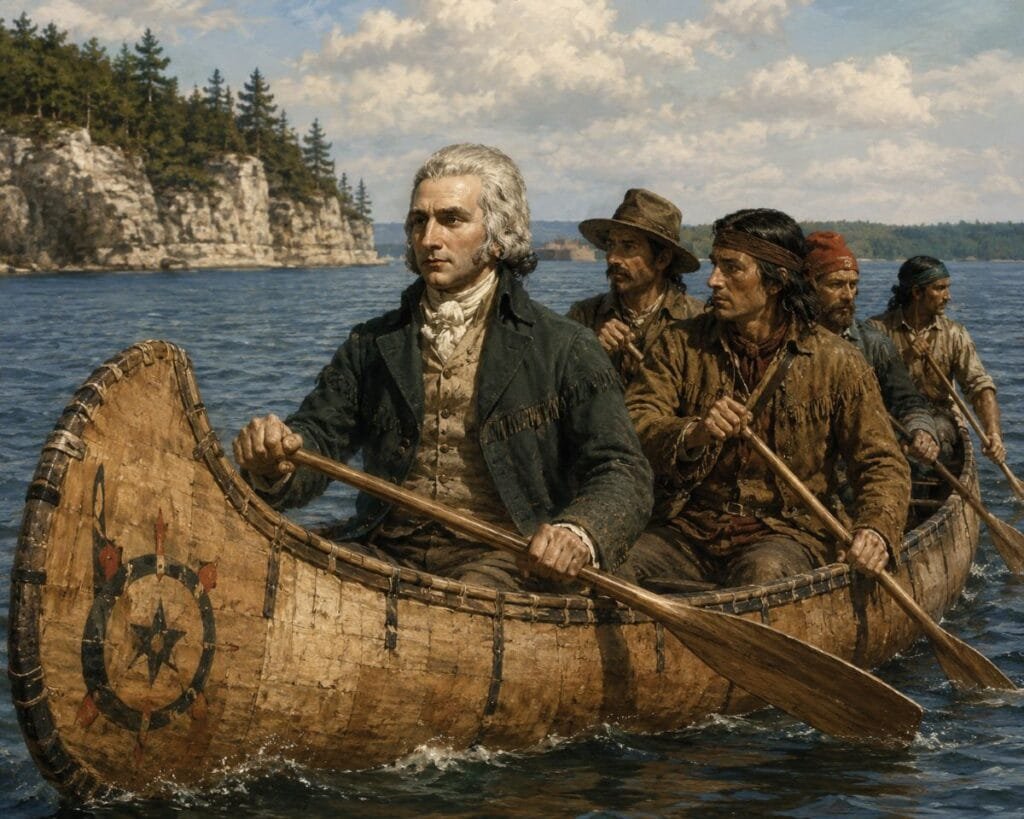
Each spring and summer, the island swelled with traders, voyageurs and Native families arriving by canoe from throughout the Great Lakes interior. Mackinac became known for massive seasonal trading gatherings filled with bargaining, celebrations and political negotiations.
The fur trade was brutal work. Traders often traveled hundreds of miles through rivers, forests and dangerous weather conditions. Success depended on relationships, language skills and trust among Native trading networks.
That environment created unusual opportunities for some Métis families who could operate comfortably between Native and European cultures.
Few would become more successful at it than Magdelaine La Framboise.
A Métis Woman in a Male-Dominated Fur Trade
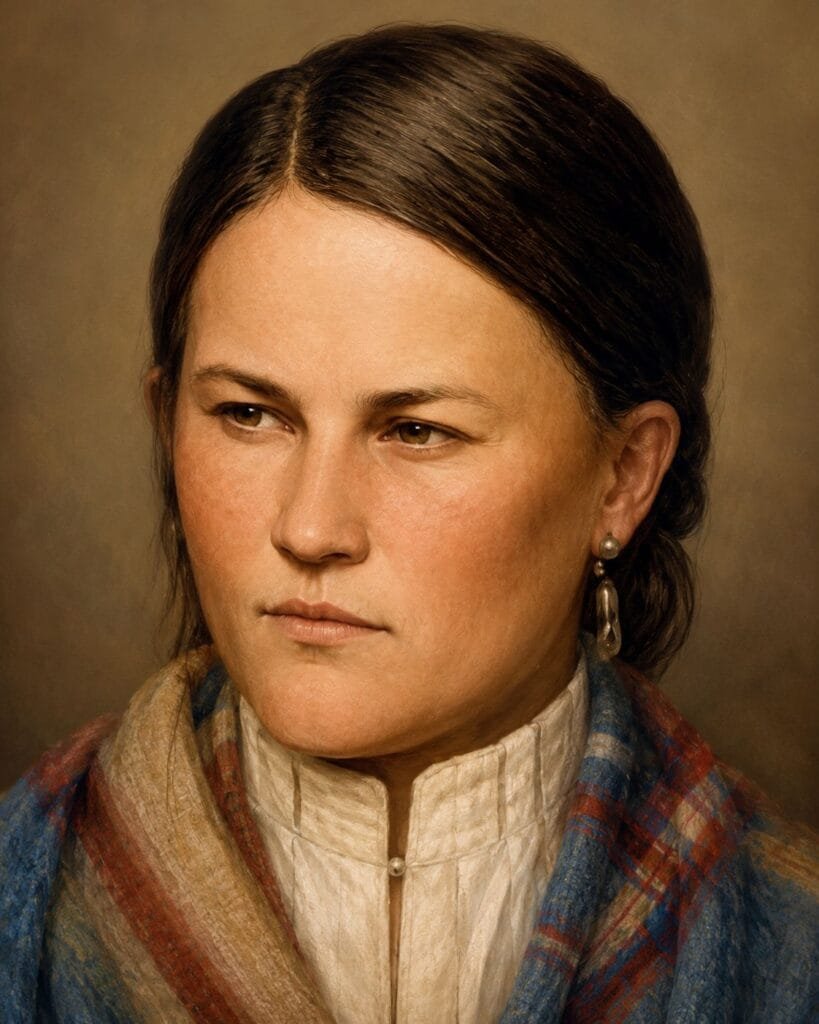
Magdelaine La Framboise was born Marguerite-Magdelaine Marcot near Fort St. Joseph, close to present-day Niles, Michigan. Her father, Jean-Baptiste Marcot, was a French-Canadian fur trader. Her mother, Marie Neskesh, was Odawa and reportedly the granddaughter of an Odawa chief.
She grew up during the peak of the Great Lakes fur trade, surrounded by multiple languages and cultures. Historians say she became fluent in Odawa, Ojibwe, French and English — a skill that later gave her a major advantage in business.
Around 1794, while still in her teens, she married Joseph La Framboise, an established fur trader operating along Michigan’s Grand River Valley. Together, the couple built an expanding network of trading posts across western Michigan. Their operations reportedly stretched from the Kalamazoo River north toward Grand Traverse Bay.
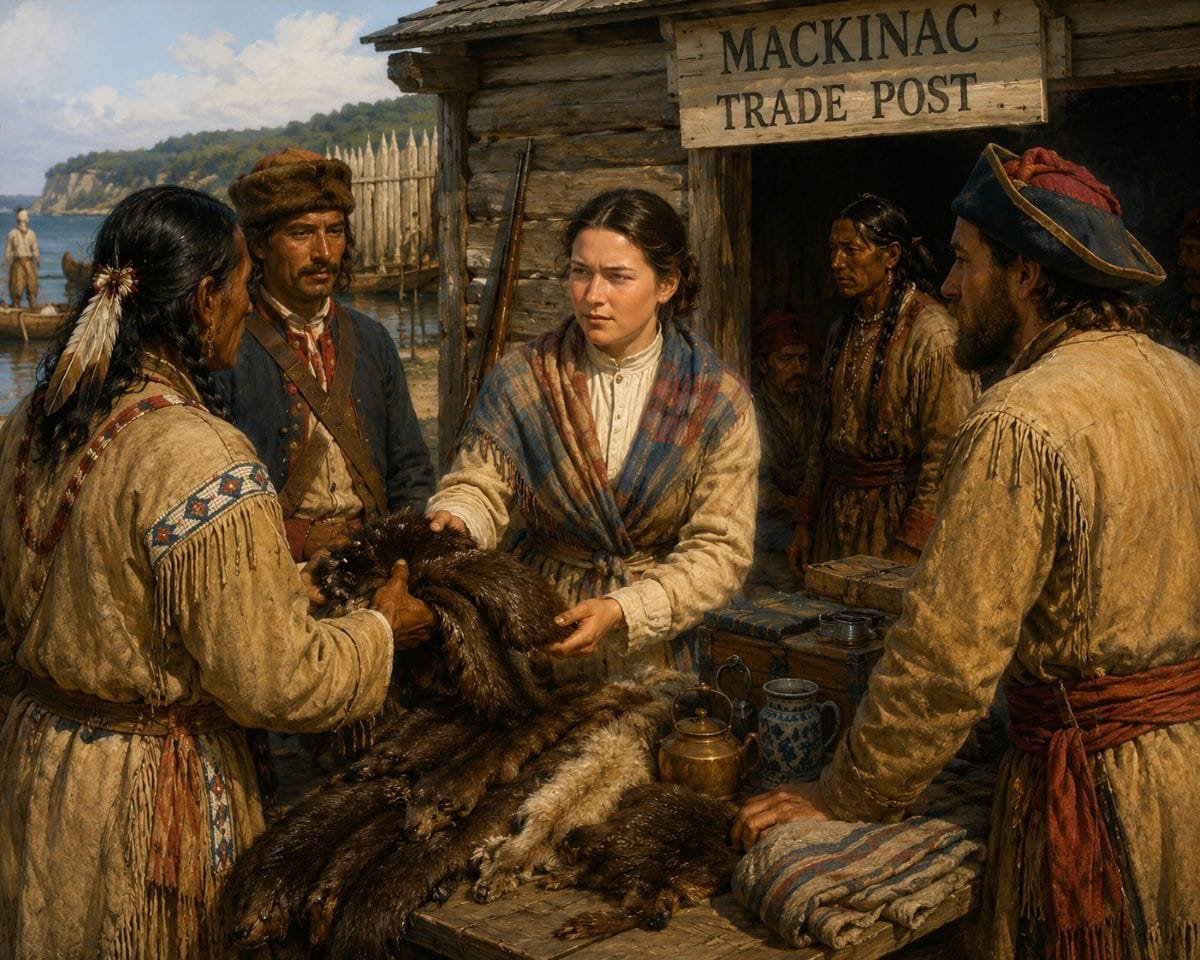
Every autumn, the La Framboises traveled from Mackinac Island into western Michigan carrying trade goods including cloth, tools, weapons and household items. During the winter trading season, they exchanged those goods for furs gathered by Native hunters. In the spring, they returned to Mackinac Island with canoes loaded with pelts destined for eastern markets.
At a time when the fur trade was overwhelmingly controlled by men, Magdelaine became deeply involved in negotiations, logistics and management. Contemporary accounts suggest she possessed remarkable business instincts and strong relationships throughout Native trading communities.
Then tragedy changed her life.
In 1806, Joseph La Framboise was killed during a dispute while trading in western Michigan. Many expected the family business to collapse without him.
Instead, Magdelaine La Framboise took complete control of the operation — and expanded it.
Building a Fur Empire Across Michigan
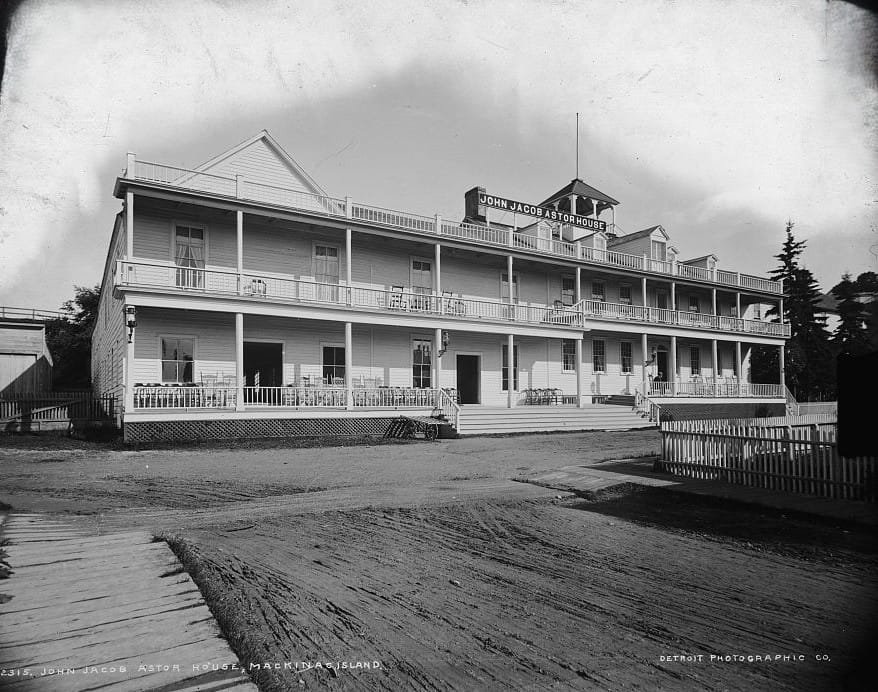
After the death of her husband in 1806, Magdelaine La Framboise faced a choice that would have intimidated most traders of the era. The fur trade was dangerous, physically demanding and overwhelmingly dominated by men. Traders traveled for months through isolated wilderness, negotiated with multiple Native nations and managed complicated transportation routes across thousands of miles of lakes and rivers.
Rather than sell the business or hand control to male relatives, La Framboise took command herself.
It proved to be a turning point not only in her life, but in Michigan’s commercial history.
Historians say La Framboise expanded the family operation into one of the most successful independent fur-trading businesses in the western Great Lakes. Her network included trading posts along the Grand River and throughout western Michigan, with Mackinac Island serving as her seasonal headquarters.
Her business model relied on mobility and relationships. Each year, she and her employees traveled deep into Michigan’s interior carrying trade goods including blankets, kettles, cloth, tools and firearms. Those items were exchanged for valuable furs gathered during winter hunting seasons.
The demand for beaver pelts remained enormous in Europe and eastern American cities. Beaver felt hats had become fashionable among wealthy consumers, and the Great Lakes region supplied much of the raw material fueling that industry. Muskrat, fox, otter and mink pelts also brought substantial profits.
La Framboise became known for both discipline and fairness in trade. Several historians note that her multilingual abilities allowed her to communicate directly with Native trading partners rather than relying entirely on interpreters. That helped build trust and long-term relationships throughout the region.
Her annual income reportedly ranged between $5,000 and $10,000 — an extraordinary amount in the early 1800s. Adjusted for inflation, that would represent hundreds of thousands of dollars annually today.
By the 1810s, her success placed her in direct competition with one of the most powerful businessmen in America: John Jacob Astor.
The Battle for Mackinac’s Fur Trade
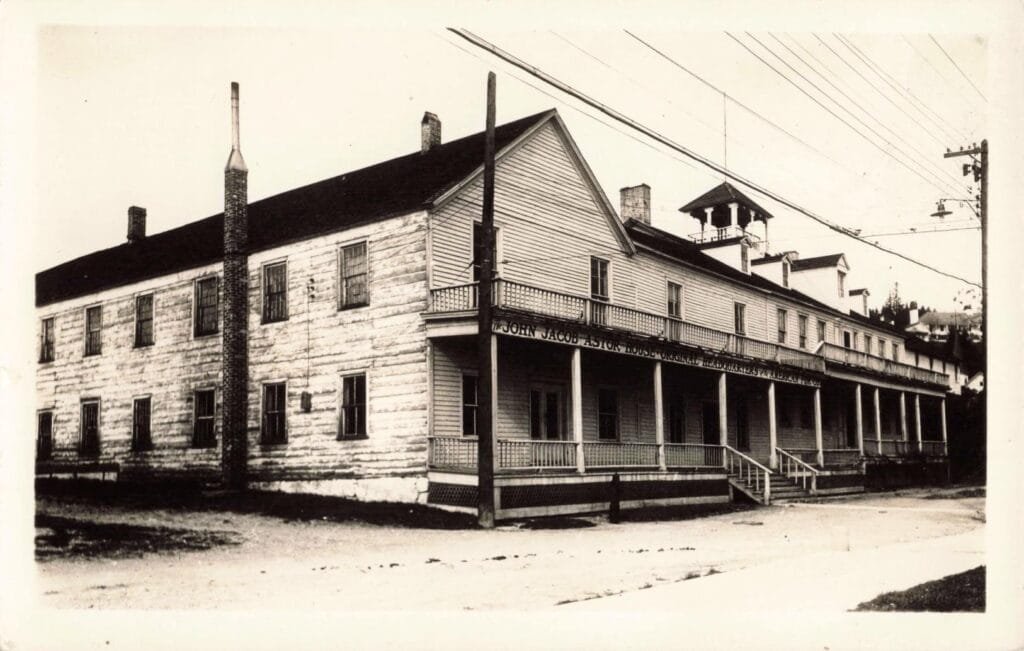
As Magdelaine La Framboise expanded her operations across Michigan, John Jacob Astor was building a business empire that stretched across North America.
Born in Germany in 1763, Astor immigrated to the United States shortly after the American Revolution and quickly recognized the profits available in the fur trade. By the early 1800s, his American Fur Company had become one of the most dominant commercial enterprises in the country.
Following the War of 1812, Astor moved aggressively into the Great Lakes region. Mackinac Island became one of the company’s most important northern trading centers because of its strategic position connecting Lakes Michigan, Huron and Superior.
Astor’s company sought to consolidate smaller traders and dominate the flow of furs moving east from the frontier. Many independent operators either sold out or disappeared under pressure from the growing monopoly.
Magdelaine La Framboise proved more difficult to push aside.
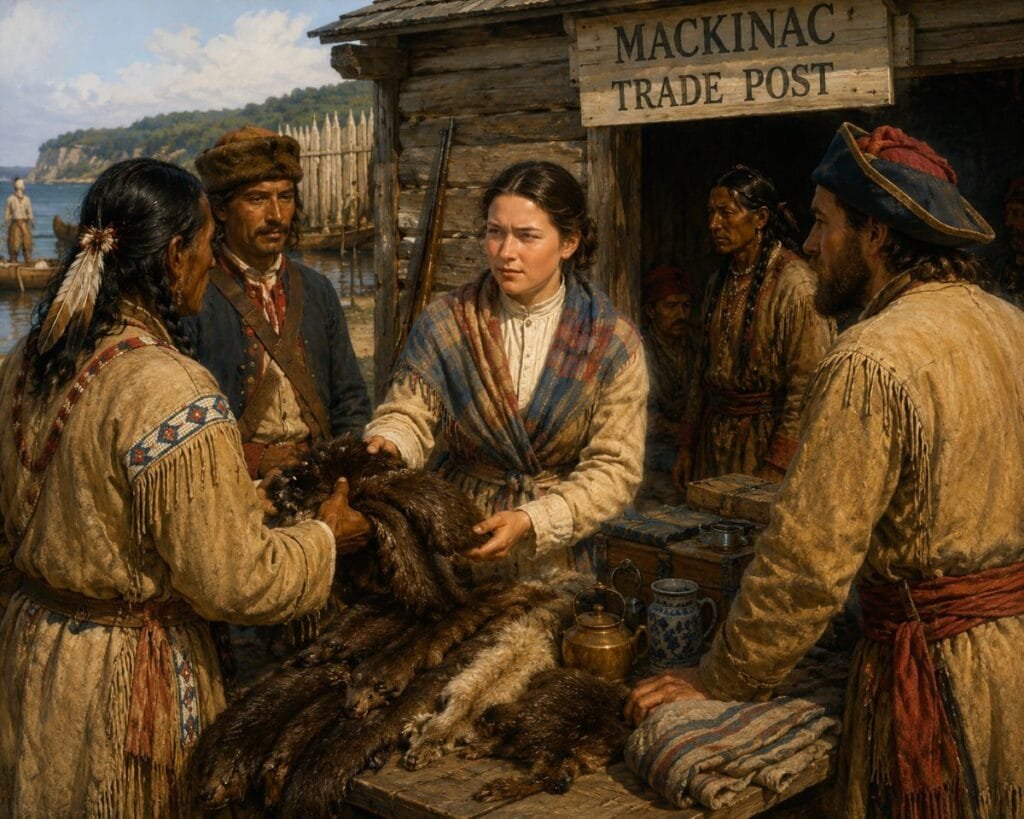
Her trading network remained highly profitable, and historians say she became one of the few independent traders capable of competing successfully against Astor’s expanding operations in Michigan. Rather than continue direct competition, Astor’s American Fur Company eventually reached an arrangement with La Framboise around 1818.
Some historical accounts describe the move as a buyout. Others characterize it as a partnership or merger into Astor’s larger system. What remains clear is that La Framboise retired from active trading with substantial wealth and social standing on Mackinac Island.
That outcome alone set her apart from many traders of the era.
While countless frontier merchants faded into bankruptcy or obscurity, La Framboise emerged as one of the wealthiest and most respected women in early Michigan history.
Meanwhile, the Astor name would continue growing in national prominence.
John Jacob Astor eventually became America’s first multimillionaire. His descendants helped build the Waldorf-Astoria Hotel empire in New York, and his great-grandson, John Jacob Astor IV, later became one of the most famous victims of the Titanic disaster in 1912.
But on Mackinac Island, long before the Astor family became linked to luxury hotels and Gilded Age wealth, the fur trade had already produced another remarkable legacy — the rise of Madame Magdelaine La Framboise.
Magdelaine LaFramboise the First Lady of Mackinac Island
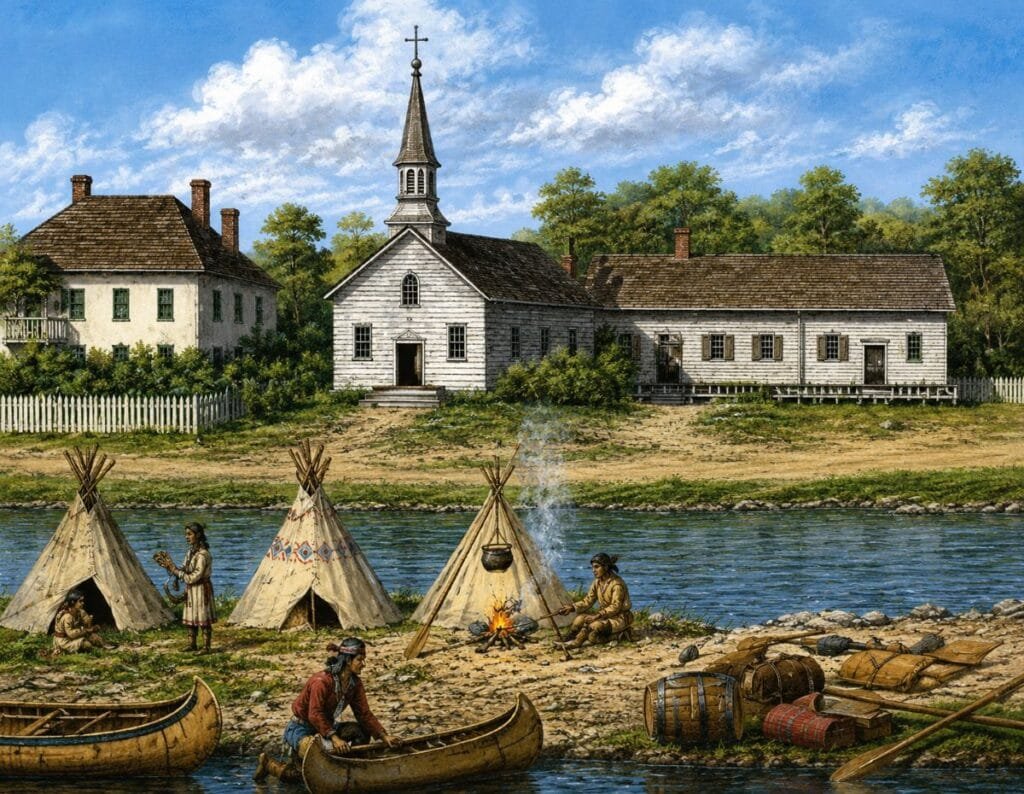
After retiring from the fur trade, Magdelaine La Framboise entered a new phase of life that transformed her from successful merchant into one of Mackinac Island’s most respected civic figures.
Unlike many wealthy traders of the frontier era, she did not disappear into private life.
Instead, La Framboise became deeply involved in charitable, religious and educational efforts across the island community. Historians say she used her wealth to support families in need, assist Native and Métis children and strengthen Mackinac’s growing Catholic institutions.
One of her most lasting contributions involved Ste. Anne’s Catholic Church, one of the oldest continuously operating Catholic parishes in the United States. During the 1820s, La Framboise donated land that helped support expansion of the church complex near the center of Mackinac Island.
Her generosity and influence eventually earned her a title still remembered on Mackinac today: “The First Lady of Mackinac Island.”
Visitors walking through the island’s historic district can still see reminders of her life and legacy.
Her former home, built in the early 1800s near Ste. Anne’s Church, survives today as part of the Harbour View Inn. The structure remains one of the oldest homes on Mackinac Island and serves as a rare surviving connection to the island’s fur-trading era.
La Framboise died in 1846, but her connection to Mackinac Island did not end there. She was buried beneath Ste. Anne’s Church alongside members of her family, placing her permanently at the center of the community she helped shape.
By the time of her death, Mackinac Island was already beginning its gradual transition away from fur trading and toward tourism. Steamships increasingly brought visitors instead of voyageurs. Hotels slowly replaced trading warehouses. The island’s economy shifted toward recreation and summer travel.
But much of Mackinac’s early prosperity had been built during the fur-trade years — and few individuals contributed more to that economy than Magdelaine La Framboise.
Today, while tourists crowd the island’s sidewalks during summer months, many pass within steps of her home and gravesite without realizing they are standing near the legacy of one of Michigan’s most remarkable entrepreneurs.
Her Home Still Stands on Mackinac Island
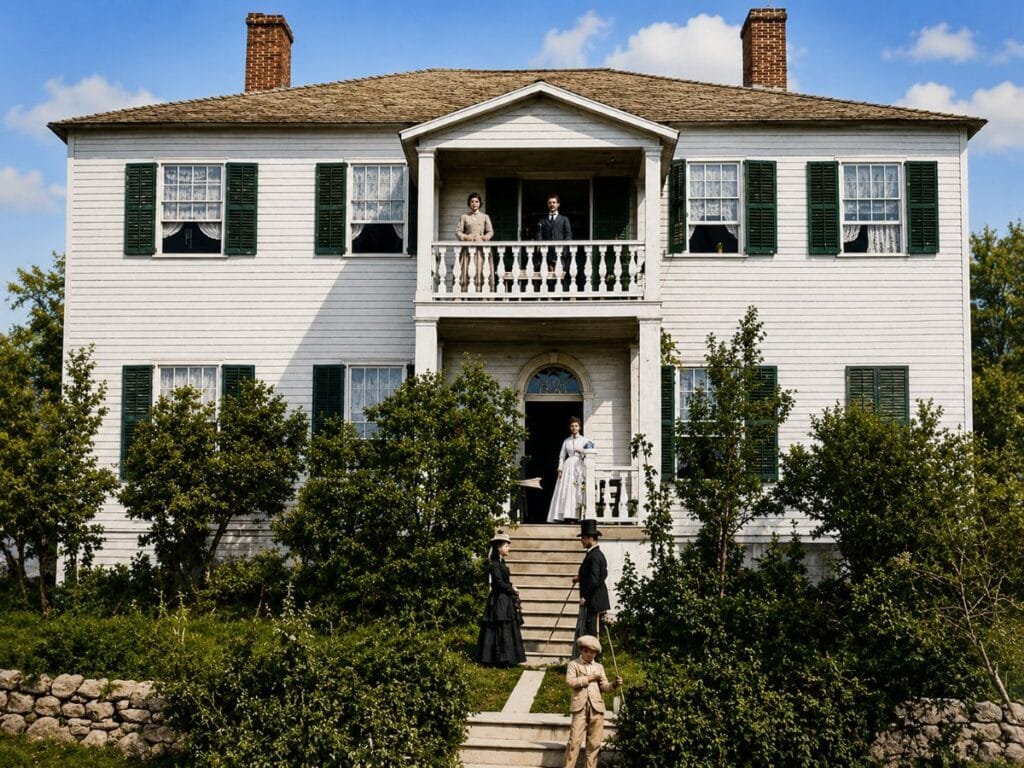
More than 175 years after her death, traces of Magdelaine La Framboise’s life remain woven into Mackinac Island’s historic district.
Visitors walking the island today can still see the home where Michigan’s most successful female fur trader once lived.
Located near Ste. Anne’s Catholic Church, the La Framboise residence dates to the early 1800s and is considered one of the oldest surviving homes on Mackinac Island. Over time, the structure evolved into what is now the Harbour View Inn, a popular lodging destination overlooking the island’s marina and downtown waterfront.
Unlike many frontier-era buildings that disappeared through fire, demolition or modernization, the La Framboise home survived Mackinac’s transition from fur-trade outpost to Victorian resort community.
That survival gives modern visitors a rare physical connection to the island’s commercial past.
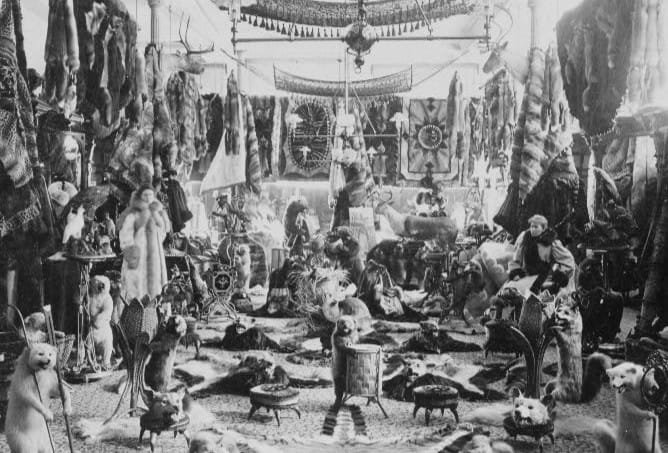
During La Framboise’s lifetime, the neighborhood surrounding her home looked dramatically different from the tourist district visitors know today. Instead of bicycles and horse-drawn carriages, the waterfront bustled with freight canoes, trading warehouses and voyageurs unloading pelts from throughout the Great Lakes interior.
Mackinac Island’s economy revolved around the seasonal fur trade. Traders arrived from present-day Michigan, Wisconsin, Minnesota and Canada carrying bundles of beaver, fox, mink and muskrat pelts that would eventually reach fashion houses in Europe and eastern American cities.
La Framboise operated within that demanding world for decades.
Today, many visitors unknowingly pass landmarks connected directly to her story.
Ste. Anne’s Church, where she worshipped and contributed land for expansion, still stands near the center of the island. Her gravesite remains beneath the church floor alongside family members, placing her permanently within one of Mackinac’s oldest surviving institutions.
Nearby sits the former American Fur Company Store and Dr. Beaumont Museum, another reminder of the era when Mackinac Island served as the economic gateway to the upper Great Lakes. Visitors can also view the John Jacob Astor House, which became associated with Astor’s growing fur empire during the early 19th century.
Together, those buildings tell the story of a frontier economy that helped shape early Michigan.
For travelers interested in Michigan history, La Framboise’s surviving home offers something increasingly rare — a place where the state’s Native, French-Canadian and early American histories still intersect in visible form.
Why Her Story Matters Today
For many years, Magdelaine La Framboise received only brief mentions in Michigan history books, despite becoming one of the most successful business figures in the early Great Lakes fur trade.
That has slowly begun to change.
Modern historians increasingly recognize La Framboise not simply as a successful trader, but as one of Michigan’s earliest female entrepreneurs and one of the most influential Métis women in the history of the upper Great Lakes.
Her story challenges several long-standing assumptions about early American frontier history.
The fur trade is often portrayed as a world dominated entirely by European businessmen and rugged male voyageurs. In reality, Native and Métis women frequently played critical roles as interpreters, negotiators, traders and cultural intermediaries. Few achieved the level of independence and commercial success that La Framboise reached.
Her life also reflects the multicultural foundations of early Michigan.
Long before statehood, the Great Lakes region was shaped by Native nations, French-Canadian traders, British military interests and emerging American expansion. Mackinac Island stood at the center of those overlapping worlds. La Framboise’s ability to move between them helped make her successful.
Her business career additionally reveals how important women could become in frontier economies when skill, trust and relationships mattered more than formal titles or social expectations.
At a time when many American women could not legally control property or vote, La Framboise managed large trading networks, negotiated major commercial agreements and accumulated substantial wealth.
Her influence extended beyond business.
She supported education, religion and charitable work on Mackinac Island while helping stabilize the community during a period of economic and political transition. As the fur trade declined and tourism slowly emerged, the foundations of Mackinac’s future economy were already being shaped by people like La Framboise.
Today, Mackinac Island attracts millions of visitors who come for horse-drawn carriages, historic hotels and Victorian charm. Yet beneath that tourism image lies an older story — one built on Native trade routes, frontier commerce and people whose names rarely appear in standard American history textbooks.
Magdelaine La Framboise remains one of the most remarkable among them.
Long before Mackinac Island became a postcard destination, she helped build the economy that made the island matter.
Works Cited For Madame Magdelaine La Framboise
Books and Publications Magdelaine LaFramboise
Britannica Money. “American Fur Company.” Encyclopaedia Britannica. Accessed 20 May 2026.
Harbour View Inn. “History.” Harbour View Inn. Accessed 20 May 2026.
Library of Congress. “John Jacob Astor House, Mackinac Island.” Library of Congress Prints and Photographs Division. Accessed 20 May 2026.
Library of Congress. “A Fortune Made from Fur: John Jacob Astor.” Inside Adams: Science, Technology & Business, 23 July 2012. Accessed 20 May 2026.
Lowell Area Historical Museum. “Madame.” Lowell Area Historical Museum. Accessed 20 May 2026.
Mackinac State Historic Parks. “Magdelaine Laframboise: The First Lady of Mackinac Island.” Mackinac State Historic Parks. Accessed 20 May 2026.
Mackinac Island Tourism Bureau. “Women in History – Mackinac Island.” MackinacIsland.org, 23 Feb. 2024. Accessed 20 May 2026.
Michigan Women Forward. “Magdelaine Laframboise.” Michigan Women’s Hall of Fame. Accessed 20 May 2026.
Ste. Anne’s Catholic Church. “History.” Ste. Anne’s Catholic Church, Mackinac Island. Accessed 20 May 2026.
The Mackinac Island Town Crier. “Memorial Honors Fur Trader LaFramboise.” 2 Aug. 2013. Accessed 20 May 2026.
Free ebook Fort Michilimackinac “Fort Michilimackinac 1715-1781: An Archaeological Perspective on the Revolutionary Frontier.” Accessed 20 May 2026.