 by
by An eight-day Great Lakes cruise sounds simple enough. Pick a cabin, book a flight, and let the cruise line handle the rest.
Then I looked at the price.
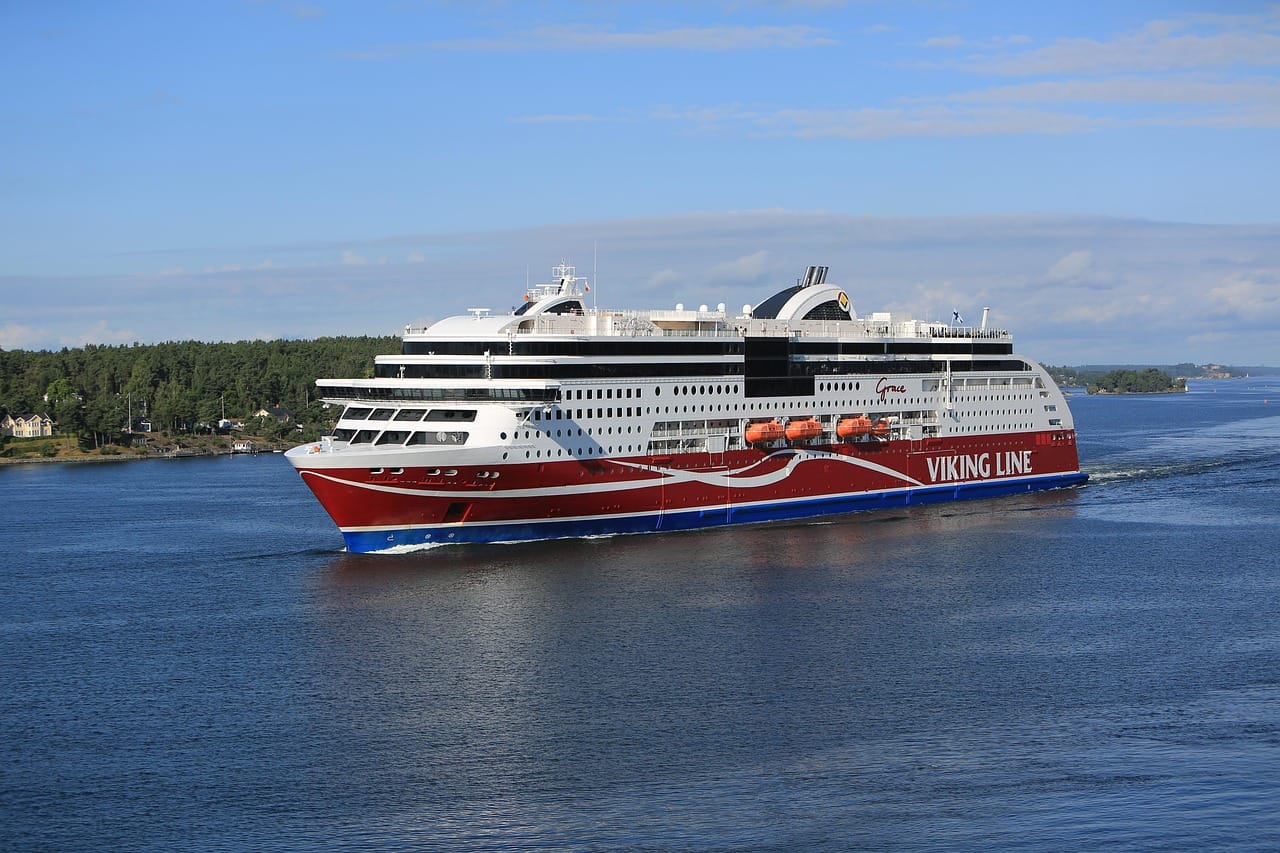
When I checked Viking’s 2027 Niagara & the Great Lakes cruise from Toronto to Milwaukee, the specific itinerary page listed fares starting at $9,499 per person, or $18,998 for two before hotels, transportation and personal spending. Other Viking pages showed lower promotional starting fares, while its 2026 itinerary was showing substantially higher prices. Viking also warns that fares are capacity-controlled and can change.
That made this an interesting test to plan a Great Lakes cruise with ChatGPT.
Could artificial intelligence help plan an expensive Great Lakes vacation without simply producing a list of tourist attractions? More importantly, could it identify where paying for a cruise-line excursion makes sense, where going independently might save money, and where its own information should not be trusted without another check?
I spent several sessions treating the cruise as if I were seriously preparing to book it.
The results were surprisingly useful, but there were also several warnings.
Key Takeaways – Plan a Great Lakes Cruise with ChatGPT
- ChatGPT was most useful for comparing cruise excursions with independent alternatives and identifying costs that were easy to miss.
- Viking’s included excursions sometimes offered better value than arranging the same outing independently.
- Toronto hotel taxes, attraction fees and transportation can add hundreds of dollars before the cruise even begins.
- Alpena, Detroit and Mackinac Island offer realistic opportunities for independent sightseeing.
- Cruise schedules, tender locations, attraction hours and excursion prices still need direct verification before booking.
Start With Two Days in Toronto
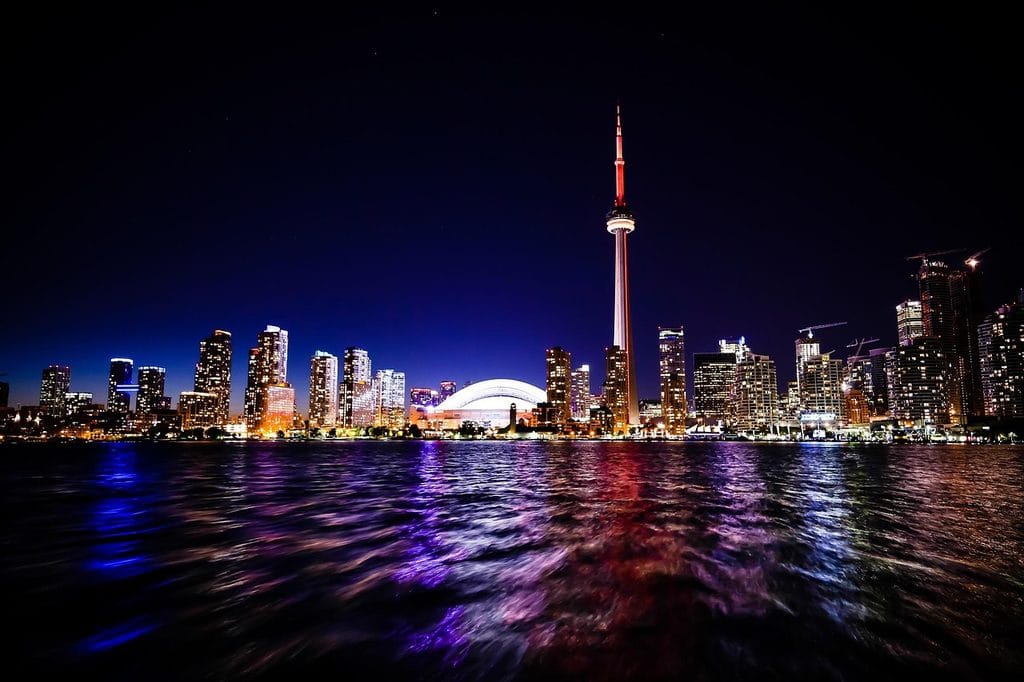
The first decision was to arrive in Toronto two nights before sailing. With nearly $20,000 in cruise fare at stake, flying into Toronto on embarkation morning would create unnecessary risk.
ChatGPT quickly identified the area around Union Station, Old Town and the waterfront as the most practical base. Pearson International Airport is connected to Union Station by the UP Express. A standard adult one-way fare is currently CAD $ 12.35.
I also learned that the nightly hotel price is not the price you actually pay.
Toronto’s Municipal Accommodation Tax returned to 6% on Aug. 1, 2026, and Ontario charges 13% HST. The city also applies HST to the accommodation tax. A CAD$400 room therefore comes to about CAD$479.12 after those taxes. Two nights at that sample rate would reach CAD$958.24.
That is the kind of detail AI can be good at finding and calculating.
For sightseeing, I asked ChatGPT to favor history, architecture, food and regional culture instead of generic tourist stops.
The resulting plan included St. Lawrence Market for Toronto’s well-known peameal bacon sandwich, Old Town, the Distillery District, and the Royal Ontario Museum’s Daphne Cockwell Gallery dedicated to First Peoples Art & Culture. Public access to that gallery is free, and the ROM says Indigenous museum professionals are leading continuing changes to its presentation.
I would not rent a car.
Niagara Showed Why Cheapest Is Not Always Best
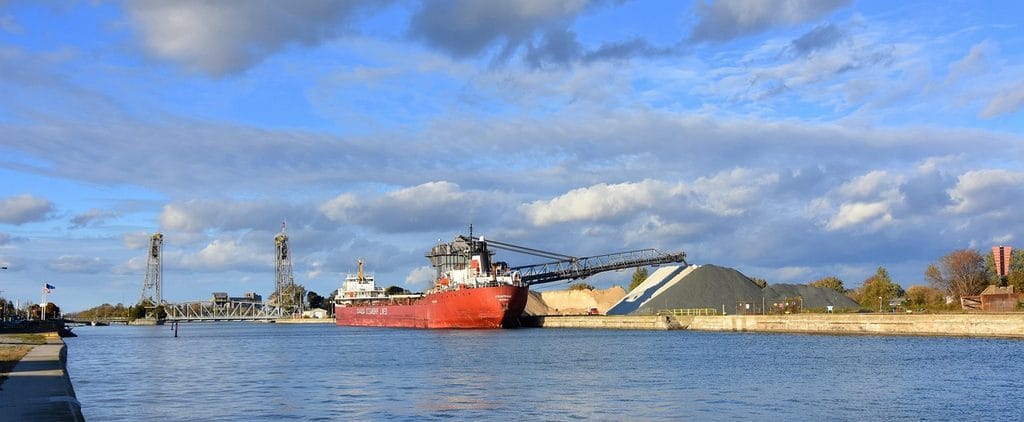
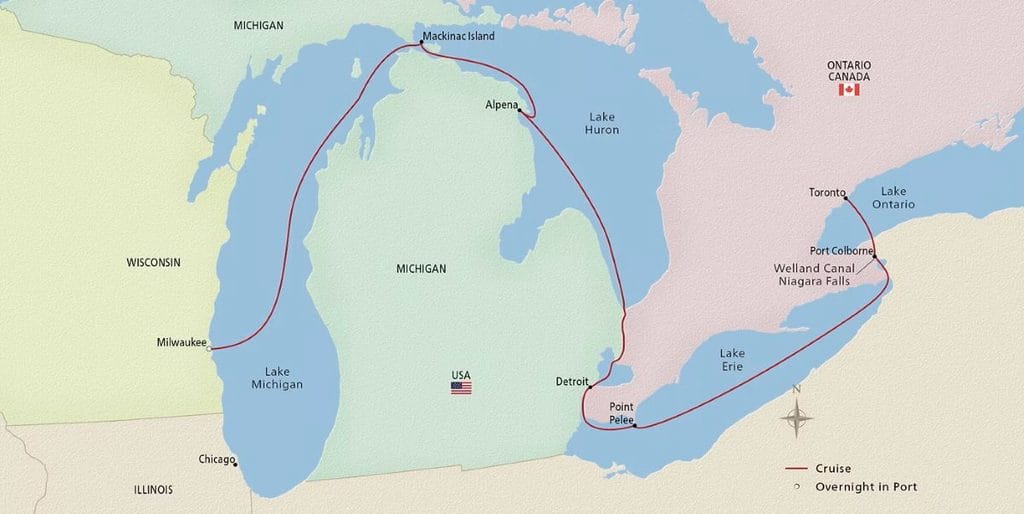
Once aboard, the ship passes through the Welland Canal on its way from Lake Ontario to Lake Erie. Viking says the eight locks raise or lower ships a total of 326 feet. For anyone interested in Great Lakes shipping, I would be outside watching instead of treating the canal as dead travel time.
Niagara Falls presented a different problem.
It is possible to research independent transportation from Port Colborne to Niagara Falls. But every transfer introduces another opportunity to return late. Saving money loses its appeal when the hotel can sail away without you.
Viking includes at least one shore excursion in each port, and for Niagara I would take the cruise line’s included transportation rather than construct a bargain public-transit itinerary.
That became one of my first rules for the project:
Compare cost, but also price the risk.
Point Pelee Requires Another Kind of Check
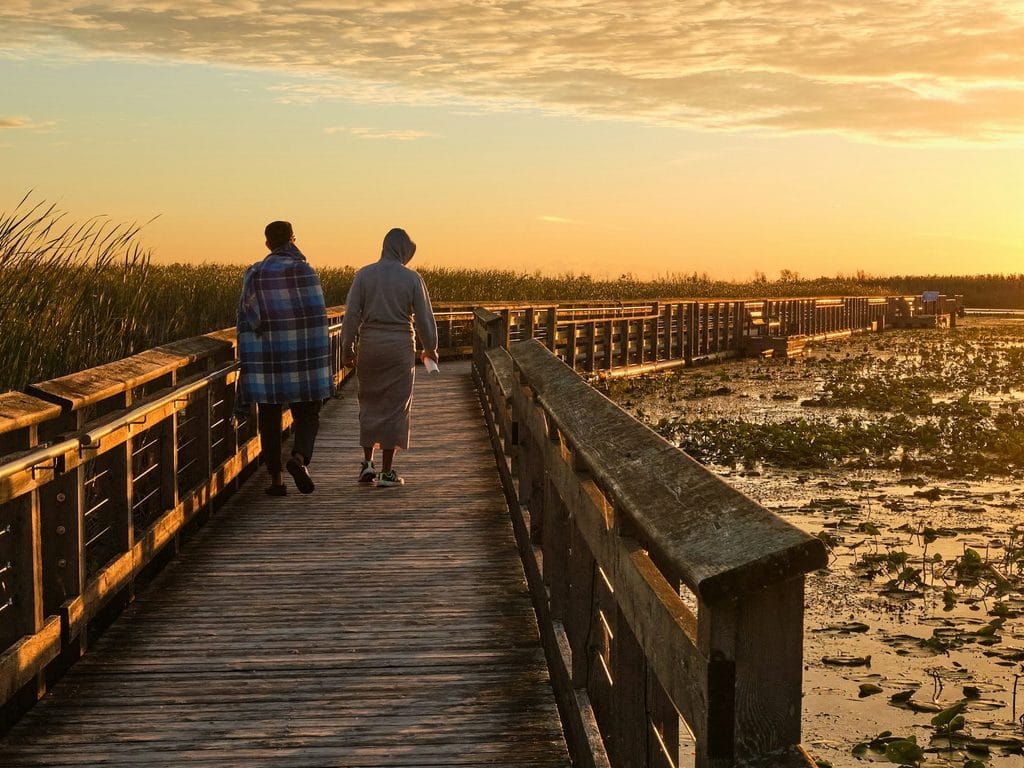
Point Pelee National Park looks inexpensive for an ordinary visitor. Parks Canada currently charges CAD$10 per adult, CAD$8.75 for seniors, or CAD$19.50 for a family or group arriving together.
But a cruise passenger is not an ordinary visitor arriving by car.
Tender operations, landing points, weather, and transportation can determine what is possible. Viking also uses expedition equipment such as Zodiacs and kayaks on its Great Lakes voyages.
So, rather than building my own Point Pelee day around the standard park admission price, I would use Viking’s included expedition program and confirm the exact options once excursion reservations open.
ChatGPT also led me to Caldwell First Nation’s own history. Caldwell identifies Point Pelee and Pelee Island as the heart of its ancestral territory. That added important context that a simple search for attractions might miss.
Detroit Is Where the Math Gets Interesting
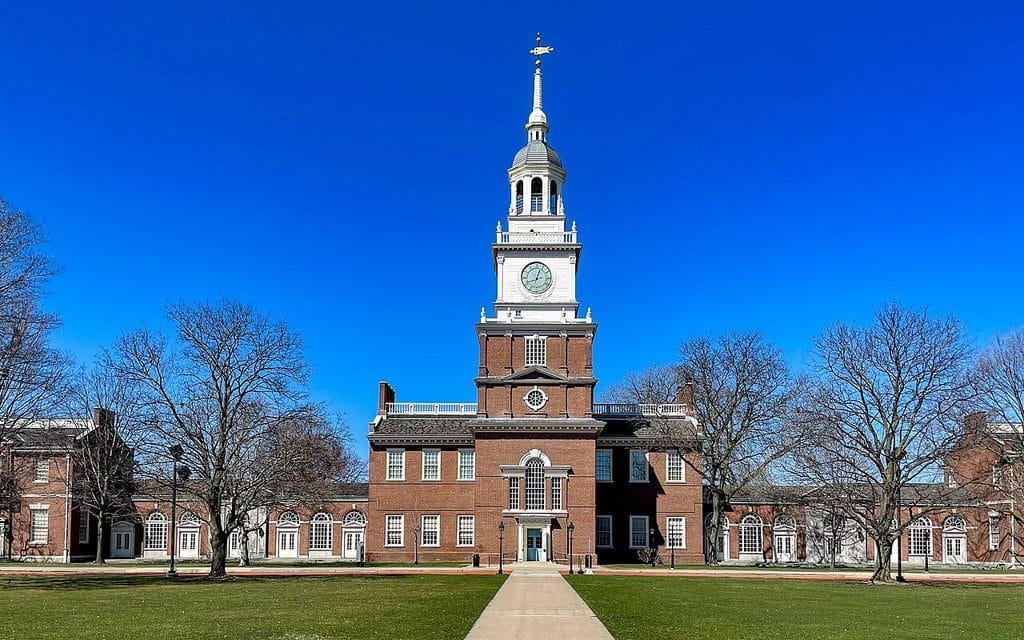
ajay_suresh, CC BY 2.0, via Wikimedia Commons
Detroit gave me a legitimate choice.
Viking currently lists both the Henry Ford Museum of American Innovation and an art-and-architecture tour as included excursions.
Buying Henry Ford Museum admission independently currently starts at $34 to $36 per person, depending on the date. That means two adults would spend at least $68 before paying for transportation from downtown Detroit to Dearborn.
Taking Viking’s included Henry Ford excursion therefore looks like a strong use of something already built into the cruise fare.
But there is another reasonable plan.
The QLINE streetcar is free and runs along Woodward Avenue between downtown and New Center. Admission to the Detroit Institute of Arts is $20 for adults and $10 for seniors. Two senior visitors could therefore reach the DIA from downtown and enter for only $20 total, excluding any other transportation needed from the cruise berth.
Neither plan is automatically better. ChatGPT helped expose the trade-off.
Alpena May Be the Best Place to Go Partly Independent
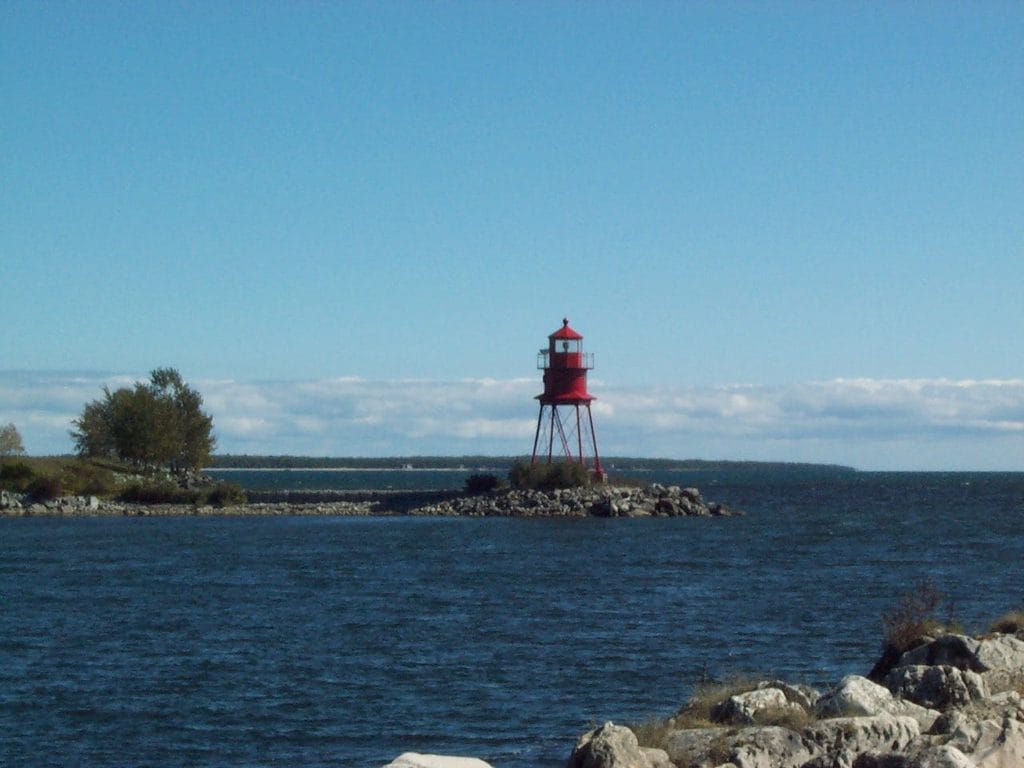
Cwbash, CC BY-SA 3.0, via Wikimedia Commons
Alpena produced one of the most useful findings of the entire test.
Viking offers an included downtown walking tour and an optional Great Lakes maritime excursion.
The Great Lakes Maritime Heritage Center, however, charges no admission. NOAA operates the 10,000-square-foot museum at 500 W. Fletcher St., with exhibits devoted to Lake Huron storms, shipwrecks and Great Lakes shipping. It is open daily from 8 a.m. to 5 p.m., subject to occasional special-event closures.
The commercial glass-bottom boat also departs directly behind the center. Alpena Shipwreck Tours lists its 2026 adult price at $43, making the independent cost $86 for two adults.
That gives us a real number to compare against Viking’s optional maritime excursion once its passenger price becomes available.
I would not book the independent boat until checking Viking’s tender and all-aboard schedule. But unlike Niagara, the geography makes this a realistic alternative.
Mackinac Island Rewards a Mixed Strategy
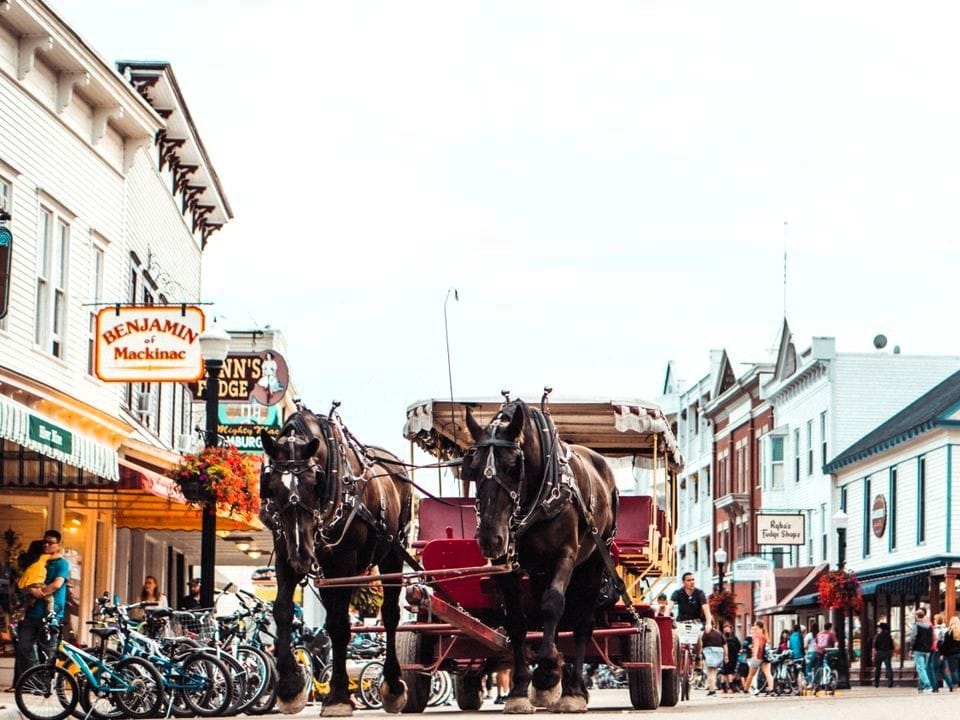
On Mackinac Island, Viking currently includes a horse-drawn carriage excursion. The regular public carriage sightseeing tour costs $46 per adult, so a similar public experience would cost $92 for two people. Viking’s excursion is not necessarily identical, but its retail price provides a useful benchmark.
After the carriage ride, I would go on my own.
Fort Mackinac admission is currently $17.50 per adult, and the ticket also includes the Historic Downtown Mackinac sites when they are operating.
One of those is the Biddle House and Mackinac Island Native American Museum. The site interprets the story of Agatha Biddle, an Anishnaabek woman, and was developed with tribal partners. Its 2027 season begins June 5, making the cruise date important.
Then I would leave time unplanned.
Walk downtown. Watch fudge being made. Look at the harbor. A costly cruise does not require every hour to become a paid excursion.
Milwaukee Needs One Last Logistics Check
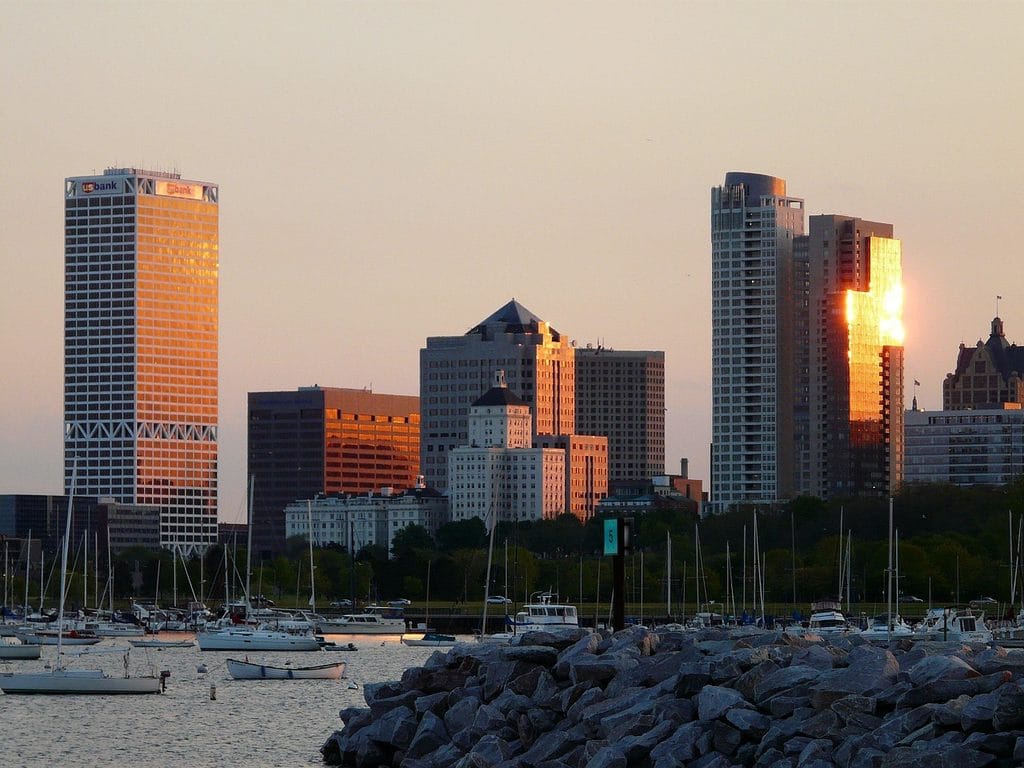
Viking’s four-hour Milwaukee tour currently includes stops or views at the Milwaukee Art Museum, Pabst Mansion, and Harley-Davidson.
Afterward, I would spend free time around the Historic Third Ward and Milwaukee Public Market. The market sits directly on Milwaukee’s free Hop streetcar route.
If time permits, admission to the Milwaukee Art Museum is currently $27 for adults and $20 for seniors. It is closed Mondays and Tuesdays, another detail that must be checked against the actual sailing date.
There is also a cruise-port complication. Port Milwaukee’s current schedule shows Viking Octantis using the City Heavy Lift Dock, while other cruise ships use Pier Wisconsin or the South Shore Cruise Dock. Berths can therefore change, and I would not assume that passengers can simply walk from the ship into downtown Milwaukee.
On departure day, Milwaukee Mitchell International Airport is about eight miles from downtown. Another option is Amtrak’s Hiawatha Service, which runs several daily trains from downtown Milwaukee to Chicago Union Station in about 1 hour, 29 minutes on many departures.
The Itinerary ChatGPT Built
| Day | Working plan |
|---|---|
| Toronto, Day -2 | UP Express, downtown hotel, St. Lawrence Market, Old Town |
| Toronto, Day -1 | ROM First Peoples Gallery, Fort York or transportation history, waterfront |
| Cruise Day 1 | Board Viking in Toronto |
| Day 2 | Watch Welland Canal transit, take included Niagara excursion |
| Day 3 | Point Pelee expedition activity, confirm exact Viking landing program |
| Day 4 | Detroit, included Henry Ford Museum excursion |
| Day 5 | Alpena, maritime center and possibly independent $43 glass-bottom boat |
| Day 6 | Mackinac carriage excursion, then Fort Mackinac and Biddle House |
| Day 7 | Included Milwaukee tour, Third Ward and Public Market |
| Day 8 | Disembark, fly from MKE or take Amtrak toward Chicago |
What Some of the Choices Really Cost
These are comparison figures, not a final trip budget, and Canadian and U.S. dollars should not be combined without using the exchange rate in effect when booking.
| Item | Cost for two |
|---|---|
| Viking cruise at $9,499 starting fare | US$18,998 |
| Sample Toronto hotel, CAD$400 room, 2 nights after current taxes | CAD$958.24 |
| UP Express, two standard adult one-way fares | CAD$24.70 |
| Independent Henry Ford admission | US$68-$72 |
| DIA admission, two adults | US$40 |
| Alpena glass-bottom tour | US$86 |
| Public Mackinac carriage tour benchmark | US$92 |
| Fort Mackinac, two adults | US$35 |
| Milwaukee Art Museum, two adults | US$54 |
Food, airfare, hotel room rates, tips, optional Viking excursions and ground transportation would push the final vacation above the cruise fare.
Plan a Great Lakes Cruise with ChatGPT: The Prompts That Worked Best
The most useful prompt was not, “Plan my cruise.” It was much more demanding:
I am planning Viking’s Niagara & the Great Lakes cruise from Toronto to Milwaukee. For each port, compare the cruise line’s included and optional excursions with realistic independent alternatives. Use current official sources and actual admission prices. Include transportation time and missed-ship risk. Do not invent prices the cruise line does not publish. Clearly flag anything I must verify before booking.
A second prompt caught several weak spots:
Audit this itinerary as if $20,000 were at risk. Find outdated prices, closed attractions, seasonal operations, transportation assumptions, duplicated attractions and any plan that depends on an unverified cruise berth, tender schedule or all-aboard time.
That changed the quality of the answers considerably.
Did ChatGPT Actually Save Money?
Yes, but not simply by replacing cruise excursions with cheaper tours.
The biggest savings came from identifying what we had already paid for. Viking’s included the Henry Ford Museum and Mackinac Island carriage excursion, which alone represented roughly $160 in comparable retail admission for two people. ChatGPT also steered us toward the included Niagara and Point Pelee programs rather than paying again for similar experiences.
Where independent planning looked stronger, we used it. A glass-bottom shipwreck cruise in Alpena cost $86 for two, while Fort Mackinac cost $35.
The exact savings compared with an all-Viking vacation could not be calculated because Viking does not publicly display current prices for its Toronto extension and several optional shore excursions. Those prices must be checked after booking.
That turned out to be another useful lesson: when an AI cannot verify a price, it should say so rather than manufacture a bargain.
ChatGPT Was Useful, but It Was Not the Travel Agent

The strongest part of this experiment was not that ChatGPT knew about many attractions. Google can do that.
Its value came from connecting facts.
It calculated Toronto hotel taxes, compared included excursions with retail admission costs, identified when public transit posed too much risk, found a free maritime museum near an excursion boat, and identified cases where a cruise excursion duplicated something we could buy independently.
It also made mistakes possible.
Cruise fares changed while I was researching. Museum operations were seasonal. Milwaukee’s berth could change. Viking does not publicly post the price of every optional excursion. A perfectly reasonable independent Point Pelee itinerary for someone driving into the park may not work at all for a passenger arriving from an expedition ship.
For a $20,000 vacation, that distinction matters.
Use ChatGPT to ask better questions, build alternatives, and find costs you might overlook. Then verify the expensive parts with the cruise line, hotel, port, museum, or transportation operator before handing anyone your credit card.