by
by Munising, Michigan, sits where dense forests meet the big waters of Lake Superior. Its story is one of industry, nature, and community. This History of Munising, Michigan takes us from 1900 to 1950, when loggers, fishermen, and entrepreneurs carved a town out of the wilderness. Readers will learn about the early industries—like lumber, leather, and paper—that built what many call the Waterfall City of Michigan, as well as the everyday lives of its people.
Video – Munising Michigan – Lake Superior Legends
Early Settlement and Iron Smelting
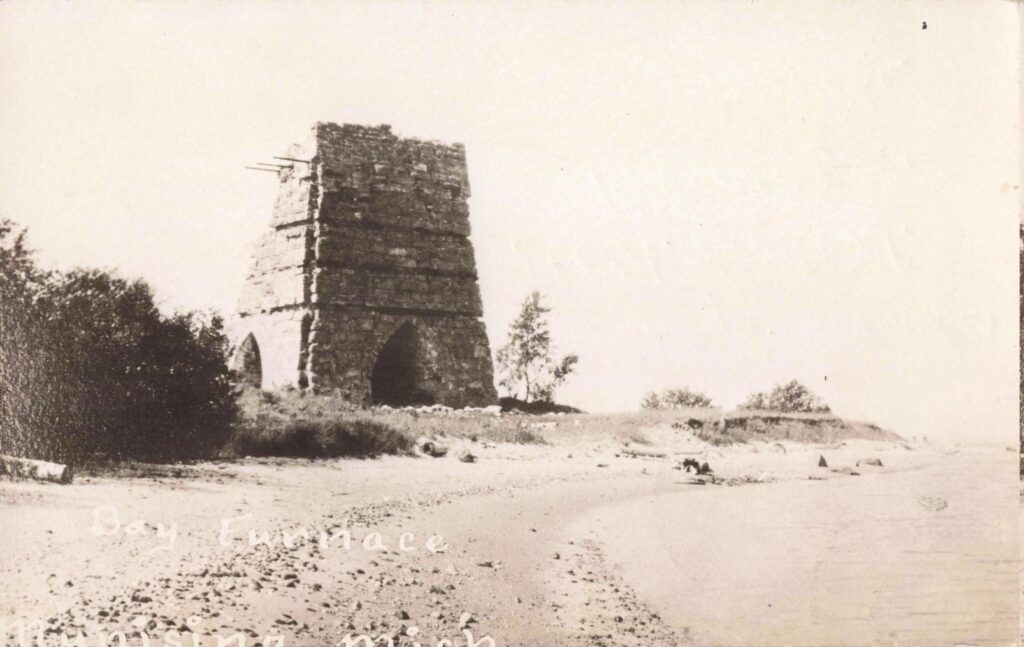
Munising’s roots go back before 1900. In the late 1860s, the Schoolcraft Iron Company built a blast furnace at Munising Falls. This made pig iron for railroads and engines. However, after a decade, the furnace closed, and many people left. The town moved closer to the shore to be near the logging camps. By the turn of the century, Munising was no longer an iron town. The history of Munising, Michigan, in this era is a story of change: the iron industry died out, and wood became the primary resource.
Logging and Lumbering Boom
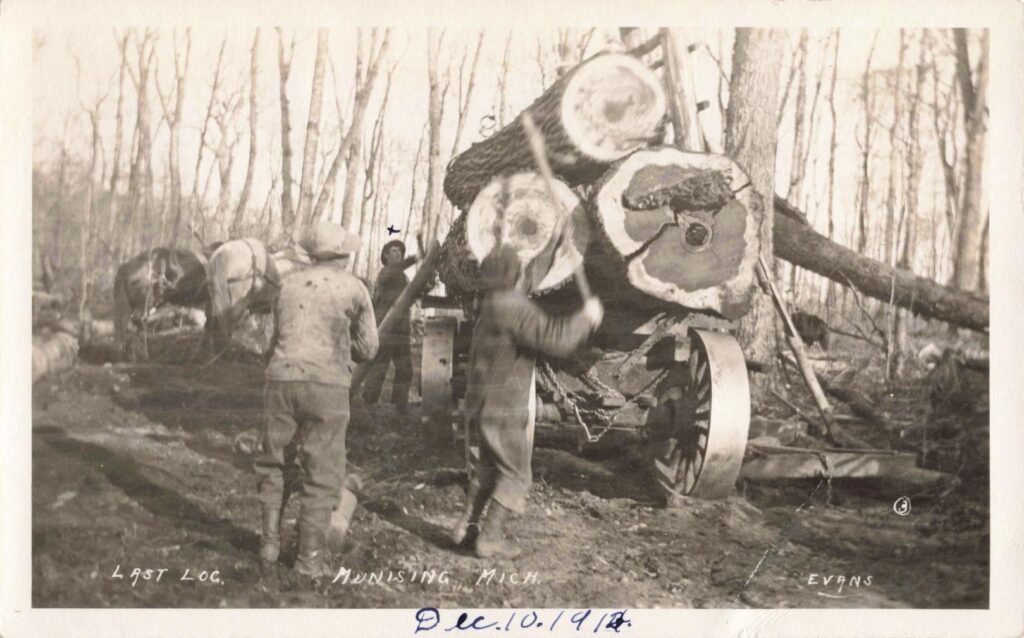
Beginning in the 1870s, giant pine trees were cut down in Alger County’s forests. Munising Bay became a collection point. Crews would skid logs to rivers, then float them down to the lake. By the early 1900s, teams of men and oxen were building sleds and rafts to haul logs even over lakes. With new methods like logging railroads and big wheels, they moved timber year-round. The logging boom reshaped the land. Old-growth pine gave way to clear-cut hillsides.
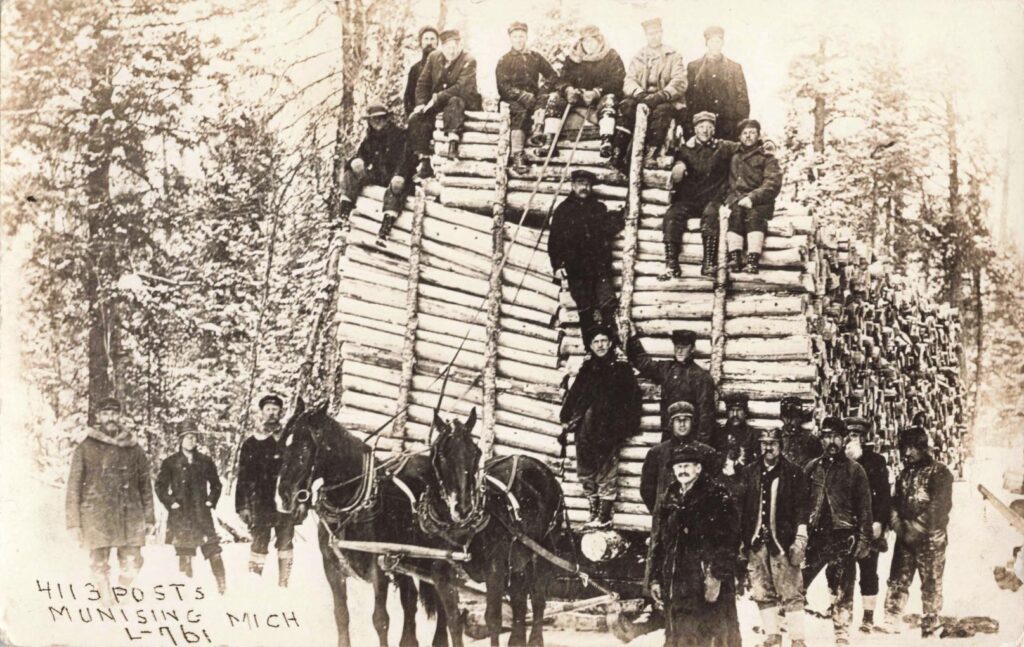
Logs gathered at Munising’s docks were shipped by boat to sawmills in the lower Great Lakes. These ships were called “hookers,” modified schooners. Michigan’s white pine helped rebuild Chicago after the Great Fire of 1871. In Munising, lumbermen piled logs along the shore into huge booms (floating enclosures). In 1885 alone, millions of feet of logs were towed from Lake Superior all the way to mills on other lakes. This lumbering past stands out in the logging history of the region and is a key part of the History of Munising, Michigan.
Munising’s Leather and Paper Mills
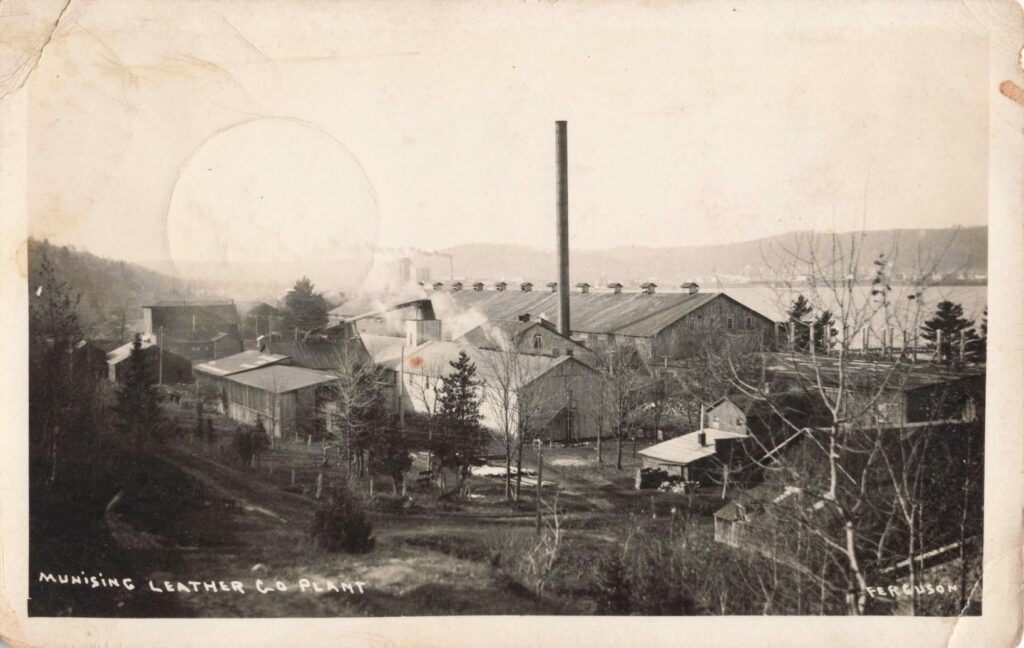
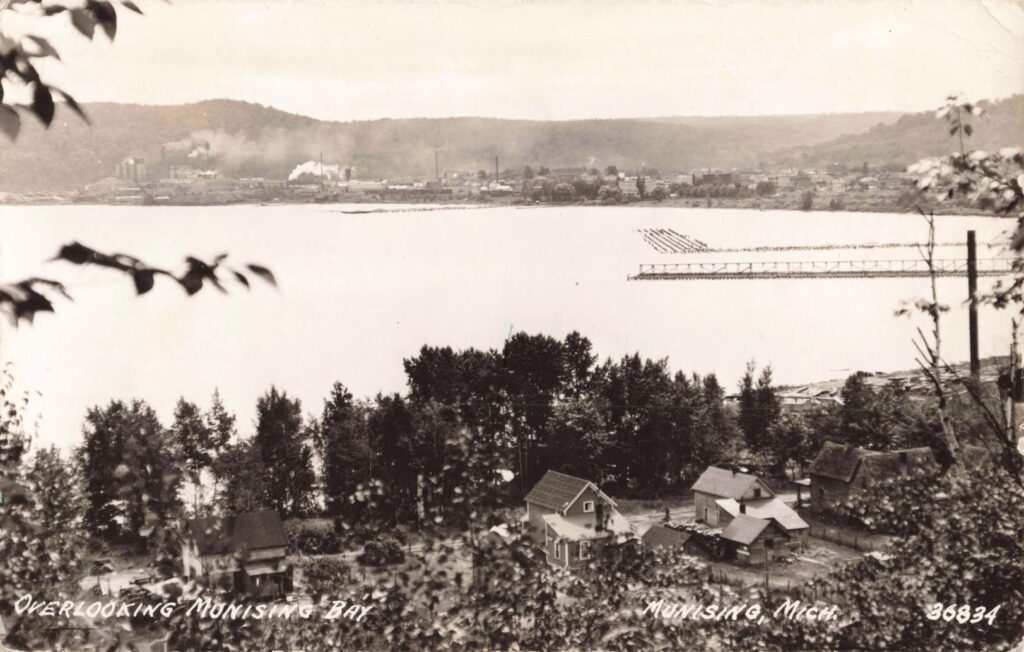
While lumbering thrived, two major factories rose on Munising Bay. First, on the east side of the bay was the Munising Leather Company. In 1896, it began running the largest sole leather tannery in the world. By 1905, it was processing 500 cattle hides a day. Workers used 10,000 to 15,000 cords of local hemlock wood to tan the leather. The tannery employed 150–200 men at a time. Its buildings were huge and smoky. Back then, someone might have said this tannery defined Munising. It closed in 1922, when synthetic materials made leather shoe parts less popular.
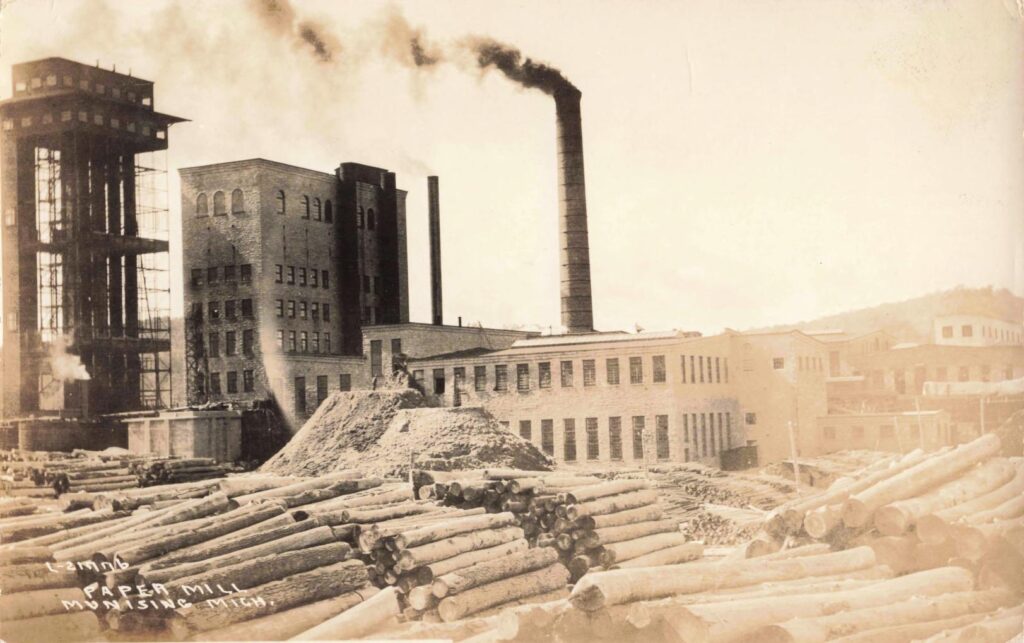
On the south shore of Munising Bay, a paper mill was built in 1902. It cut wood into pulp and made paper there. This mill supplied mills for boxes and printing paper. It brought steady work to the town for decades. Paper-making required steam, so tall smoke stacks and boilers became part of the skyline. The site of this mill is still industrial property today (under new owners), making Munising one of the few places where paper-making from wood pulp has continued since the early 1900s.
Together, the tannery and paper mill transformed the economy. They brought families, businesses, and money into town. Sawmills and brickyards appeared too. The Munising area became more than just a logging camp; it was a growing community of workers. In fact, through these industries, much of the History of Munising, Michigan centers on how natural resources were turned into goods.
Munising’s Fishing, Harbor, and Tourism on Lake Superior
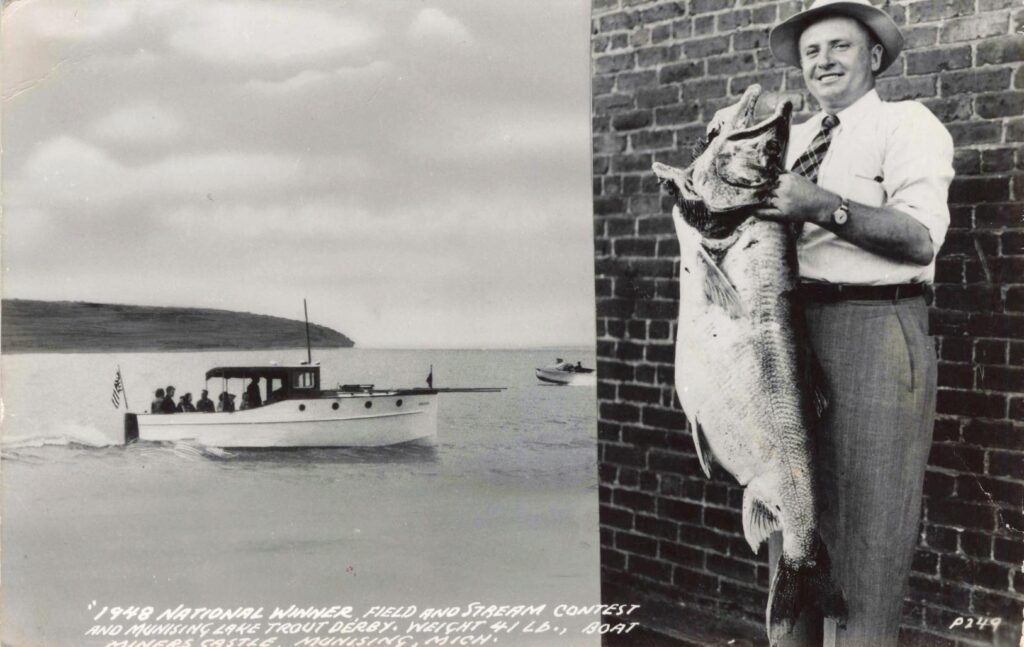
Munising’s harbor on Lake Superior was important for more than logs and raw materials. It was also a source of food and visitors. Fishermen from the town built small wooden boats to catch whitefish and trout. These men would set nets and lines under cold skies, then unload their catches on the docks. Fresh fish were sold to local stores and shipped to cities. Fishing had been part of life on Lake Superior for Native American tribes and later settlers. In Munising, the fishing trade is connected to larger Great Lakes markets. By the early 1900s, those who earned a living on the lake were part of the town’s culture.
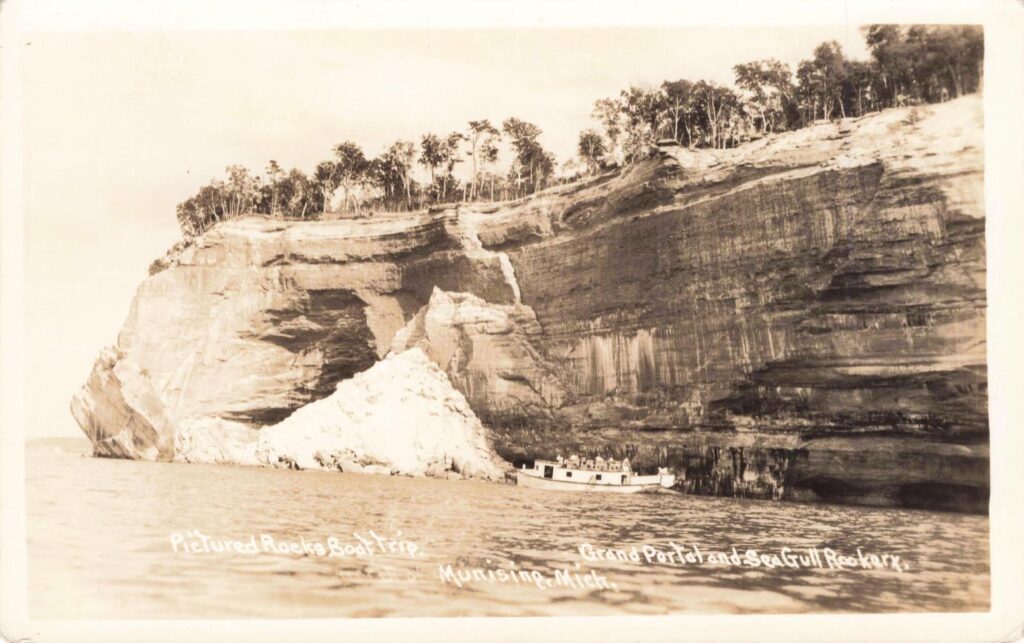
The harbor also welcomed visitors. In the 1890s, as more people heard of the Pictured Rocks cliffs, Munising stepped up to host them. At a celebration in 1902, the town offered boat trips on the steamer Hunter for people who wanted to see the colorful cliffs for the first time. Photographs from the period show primitive docks and a small fleet of excursion boats. By the 1920s and ’30s, tourism was a growing piece of the local economy. Hotels and inns advertised scenic views. One famous hotel was the Beach Inn, on the lakefront. It had a class and charm; Mary Jayne Hallifax later remembered its wicker chairs and high ceiling. Visitors rode boats along the rocky shore, took photos of waterfalls, and hiked local trails.
This mix of jobs gave Munising a diverse character. Locals might cut lumber in winter, fish in summer, and work in the mills year-round. Meanwhile, they showed regional natural wonders to the occasional tourist. The History of Munising, Michigan at this time is not only about factories and mills; it’s also about how people enjoyed the land. Boat cruises to Miners Castle or Grand Island turned wilderness into adventure. Even before the National Lakeshore was created in 1966, Munising was the gateway to the Pictured Rocks, and it earned that role through its early tourism efforts.
Recreation and Culture in Munising
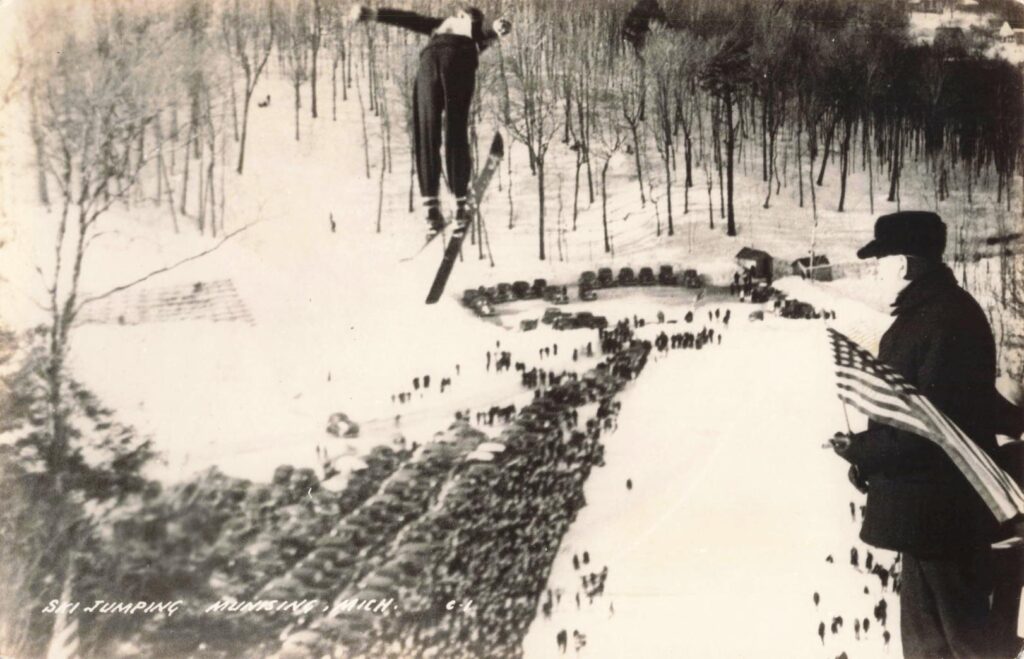
Even with hard work, people found ways to play and celebrate. In winter, Munising’s snow was heavy. Young men built ski jumps on hills near town. Photographs from the 1920s show wooden scaffolds on the slope where jumpers stood poised. These primitive jumps launched athletes high above the snow. Munising even built one of the first artificial ski jumps in the country around 1960 (past our main period), but the passion for ski jumping had roots decades earlier. Year after year, local competitions drew crowds. Houses and barns in town likely rang with cheers as skiers and ski boarders flew by.
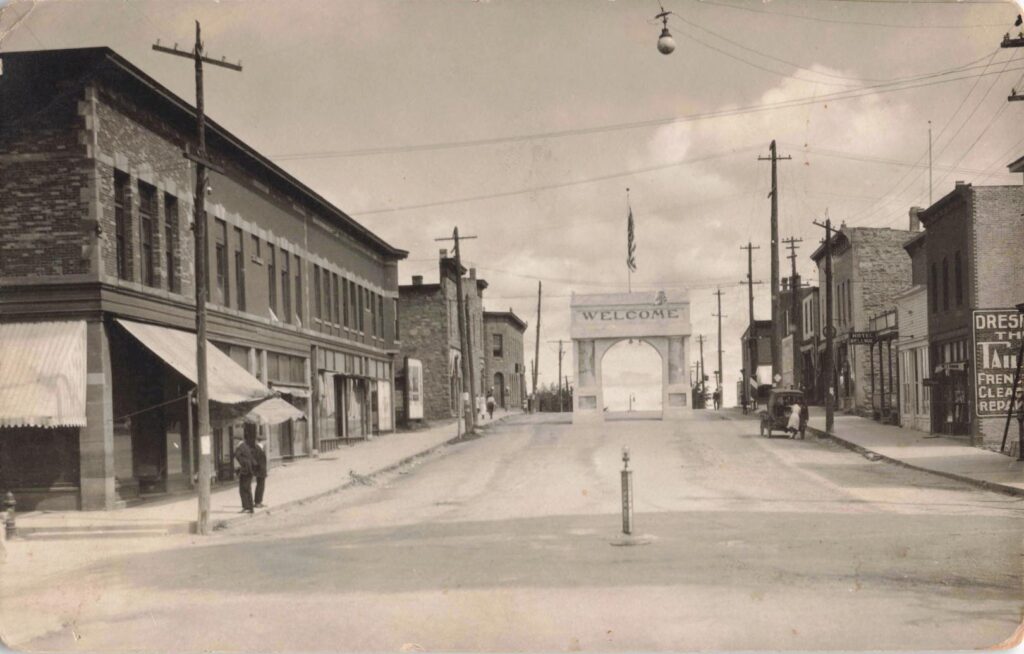
During summers, townsfolk picnicked and danced. One remarkable event was the town’s Fourth of July celebrations, which often included boat excursions and community dances. Social life in Munising included a strong church presence, fraternal organizations, and visiting circuses or traveling bands at fairgrounds. The wide mix of ethnic backgrounds — French Canadians, Finns, Germans, and more — meant that the town’s culture blended traditions. Families built churches and schools for their communities. Folk music and church choirs mingled with stories about logging camps. In all these ways, people made Munising home.
Legacy and Noteworthiness
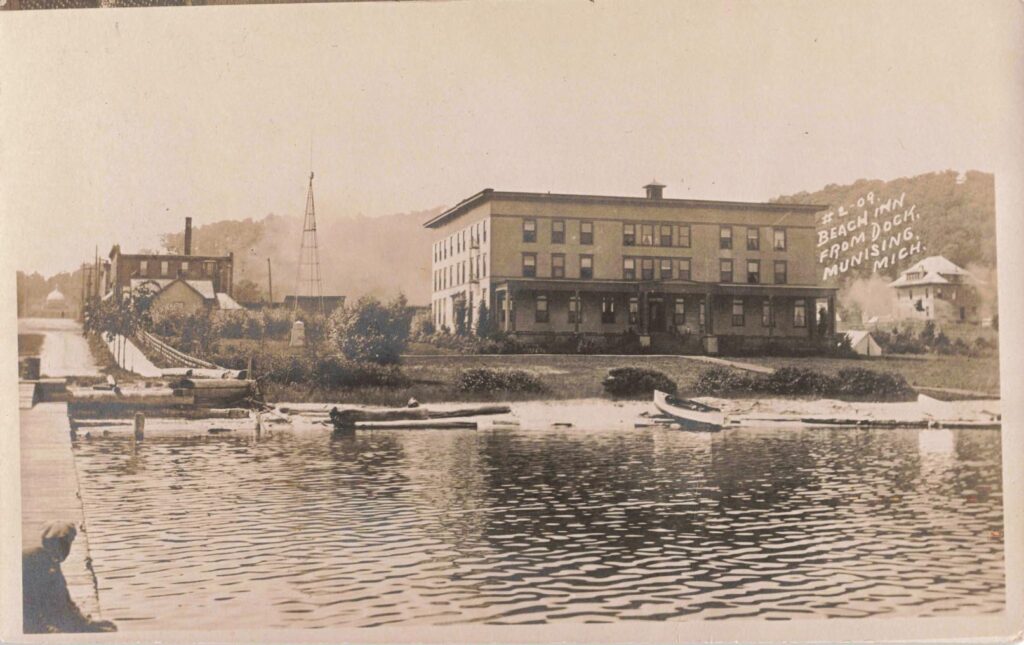
By the mid-20th century, much of the timber around Munising had been cut. Some sawmills closed. The tannery was gone. But the paper mill and fishing dock remained. After World War II, better roads and cars changed life too. Tourism grew again with motels replacing old hotels. Yet the old stories stayed part of the town’s identity. For example, the spot of the old Schoolcraft Furnace at Munising Falls is now a park where visitors learn about the furnace on nature trails. The Beach Inn’s fire in 1951 was long remembered, and other historic buildings stood as memories of those early days.
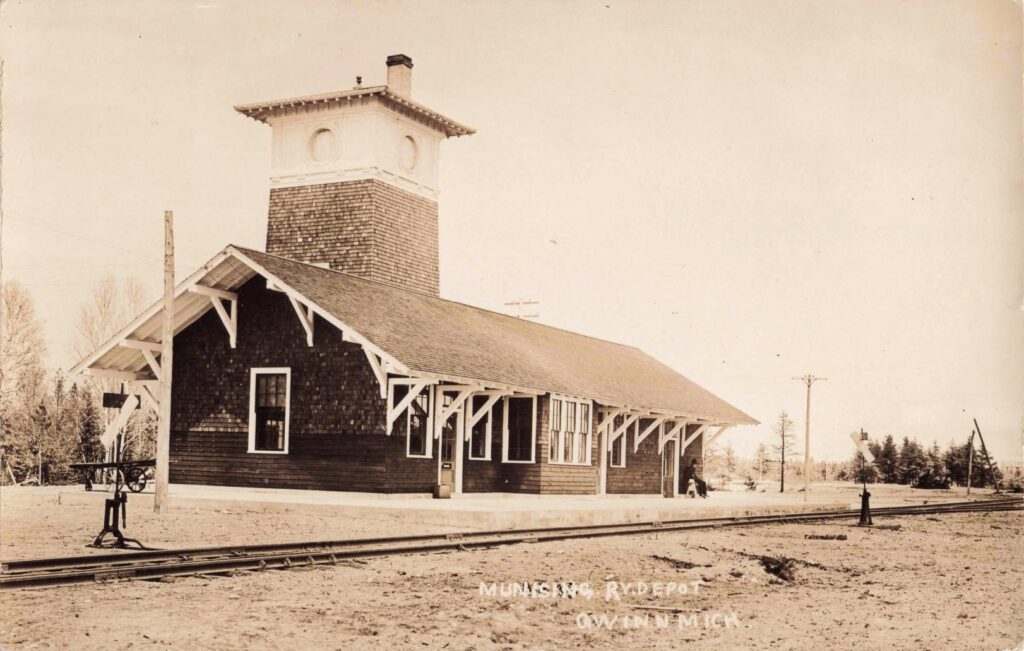
Today, people interested in the History of Munising, Michigan will still see evidence of the past. The railroad depot is gone, but the trains came here because of the mill. The Pictured Rocks cruise boats still leave from the same harbor where lumber hookers once docked. Schools and museums in Alger County keep old photos and artifacts. Hikes in the nearby Hiawatha National Forest reveal old logging roads and the remains of camps.
Munising is noteworthy because it exemplifies how a small town can be shaped by both industry and nature. It was never a big city, but it had big stories: one of the world’s largest tanneries, a bustling port on the Great Lakes, and the nation’s first national lakeshore at its doorstep. The History of Munising, Michigan is a slice of Upper Peninsula history, showing how people lived and worked on the edge of wilderness. By reading about this town, we remember the generations that built those sawmills, salted the leather, and cheered on ski jumpers. Their legacy is the Munising we know today – a place where history is part of everyday life.