History of Engadine Michigan 1889 – 1940 – Video
 by
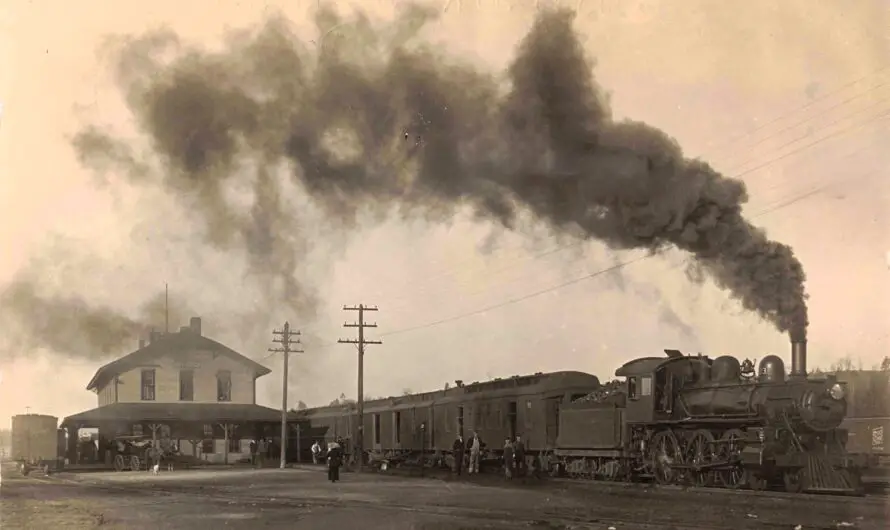
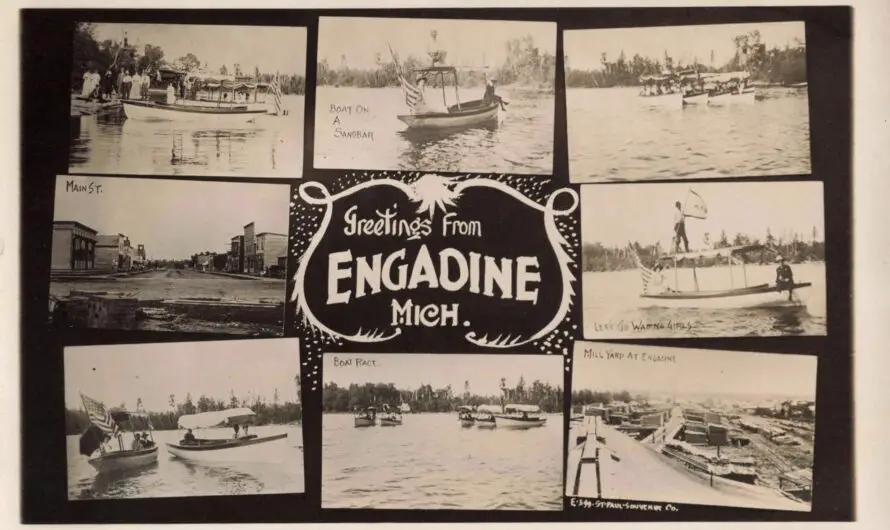
by Rare historic images show how Engadine, Michigan evolved from a booming lumber village to a quiet stop in the Upper Peninsula. Explore the stories behind the photos.
The Best Stories, Sites and Fun From Around the Great Lakes State.
by Rare historic images show how Engadine, Michigan evolved from a booming lumber village to a quiet stop in the Upper Peninsula. Explore the stories behind the photos.
by The History of Lapeer Michigan reveals how this small Thumb-area town helped shape the state—through railroads, radio waves, stoves, cigars, and a towering stone “castle.”
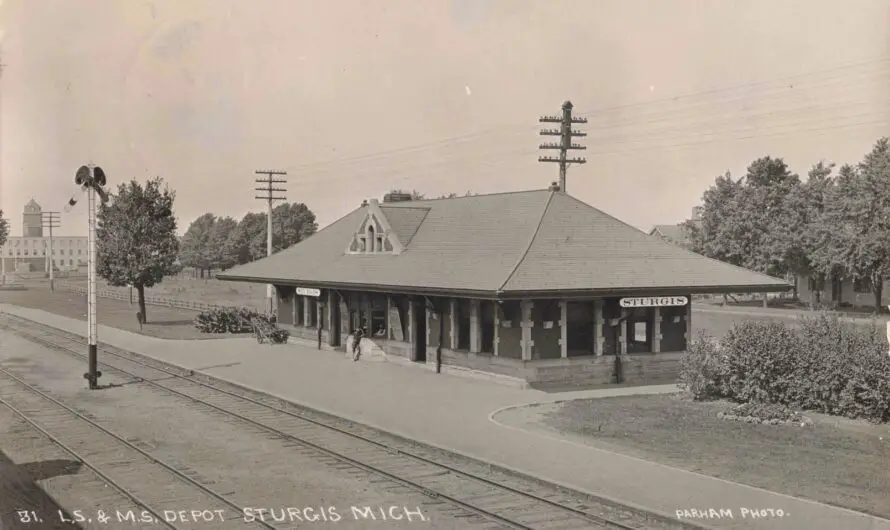
by The history of Sturgis Michigan began in 1827 when Judge John Sturgis settled on land in the St. Joseph Valley. According to local lore, Michigan’s Governor Lewis Cass (later a …
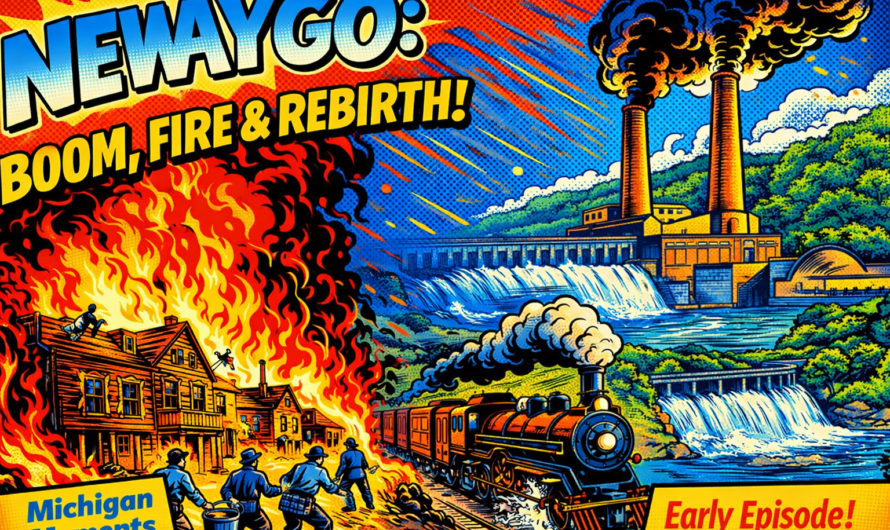
by Newaygo, Michigan, rose from towering pines and devastating fire to thrive on cement, hydropower, and oil. Its river carried industry and survival through generations.
by At the northern edge of Little Bay de Noc stands Gladstone, Michigan. This small Upper Peninsula town played a much larger role in Michigan’s industrial rise than its size suggests. …
by Leonard, Michigan’s past is packed with fires, freight cars, and a lot of grit. This small Oakland County town rebuilt itself more than once—and it’s still standing today.
by Step back to Northport Michigan between 1900–1940. These rare photos capture a town alive with cherry canneries, freight docks, and summer resorts—built on water, work, and change.
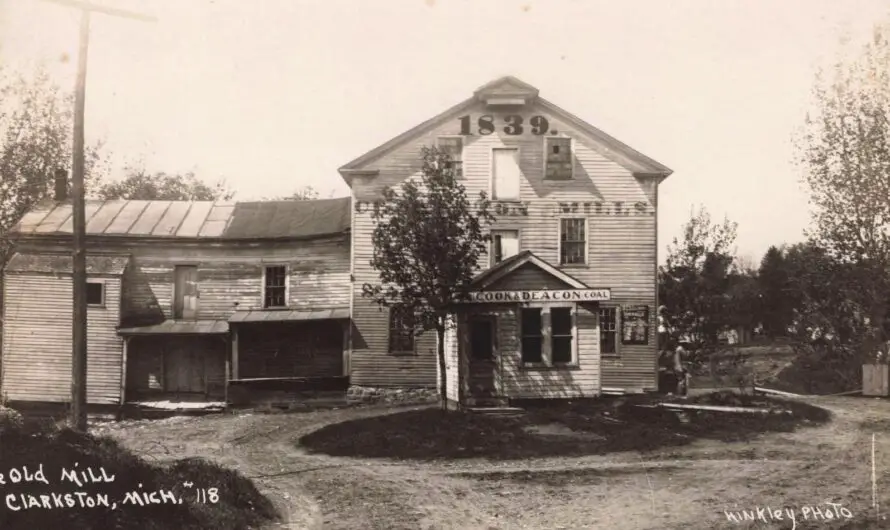
by Clarkston, Michigan grew from a mill town into a cherished lakeside retreat. With historic inns, Main Street charm, and deep roots, it remains a vivid reminder of small-town life in southeast Michigan.
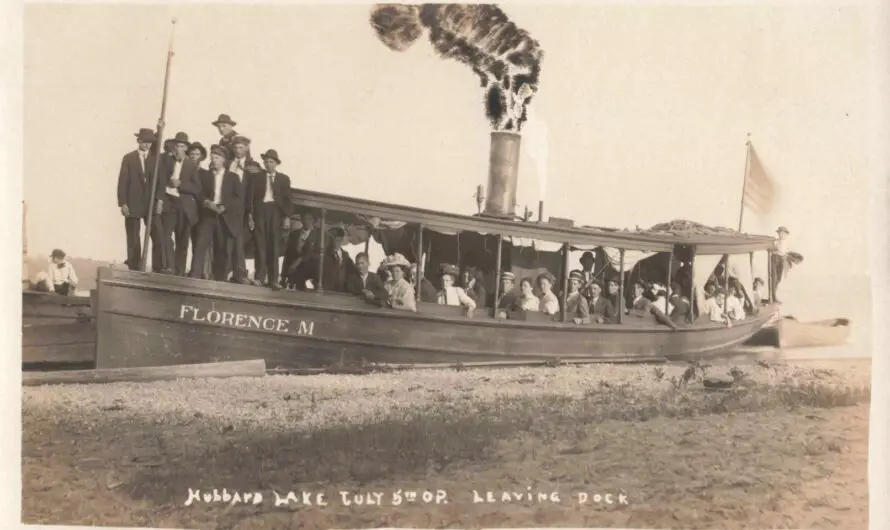
by A look back at Hubbard Lake Michigan in the early 1900s, where fishing, steamboats, and rustic cottages created a summer retreat that lives on in vintage photos and local lore.
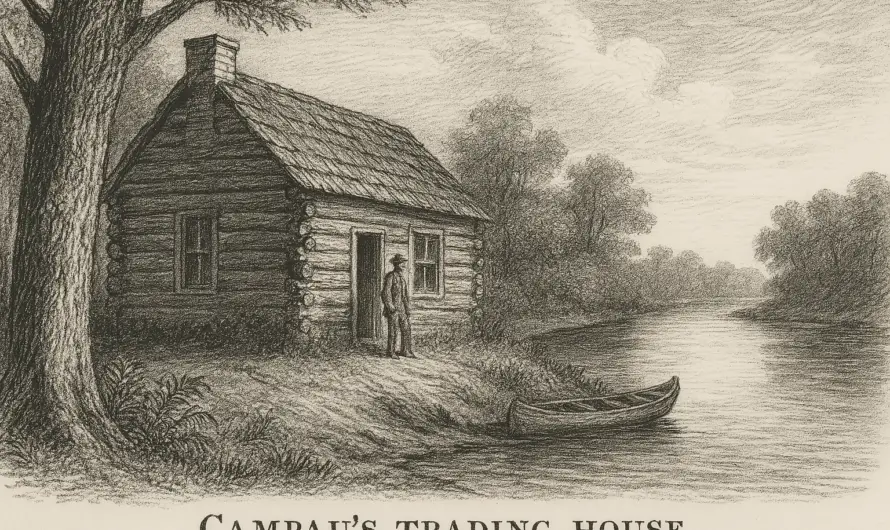
by Campau Trading Post, built in 1815, was the first permanent white settlement in Michigan’s Saginaw Valley. It became the center of fur trading, diplomacy with Native tribes, and the site of the 1819 Treaty of Saginaw that ceded over 6 million acres of land.