 by
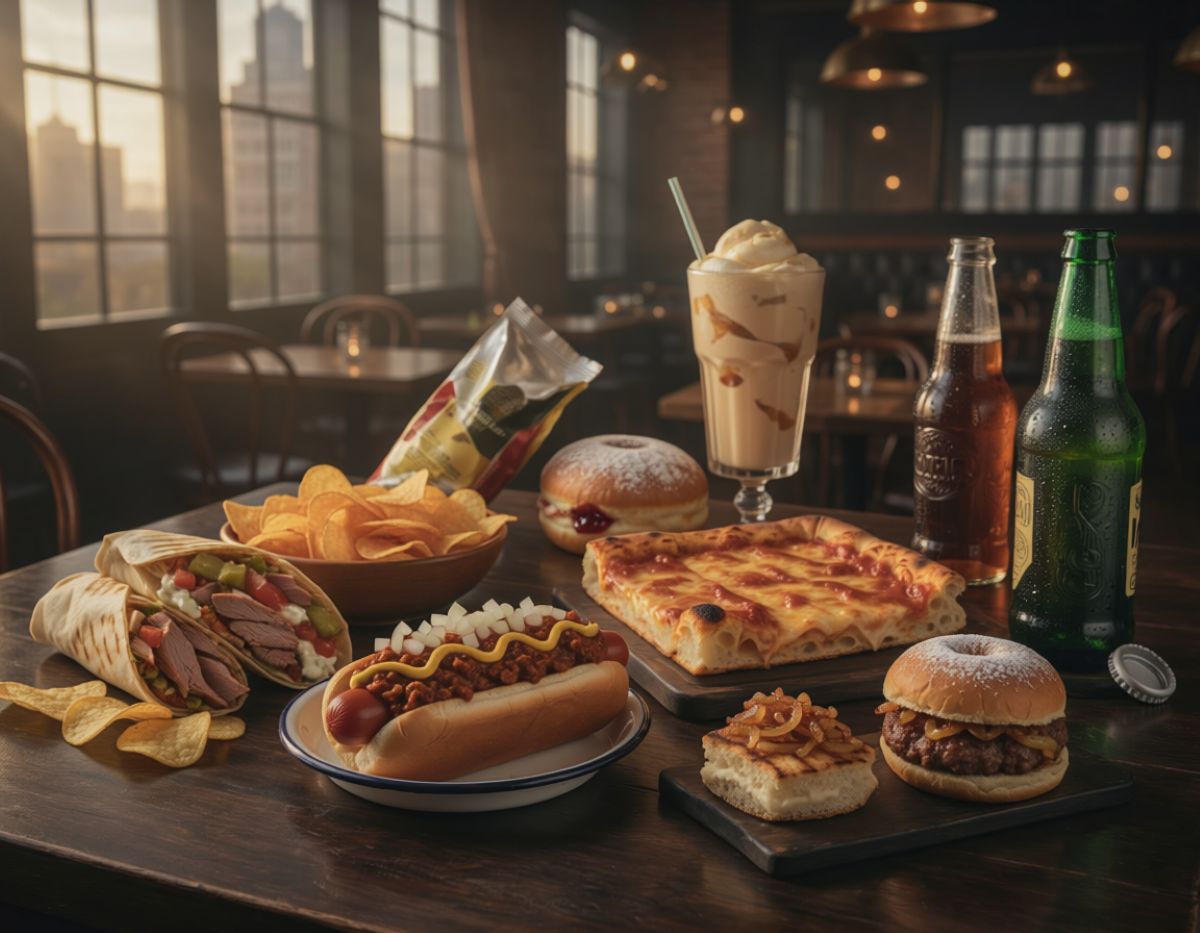
by Detroit does not hang its food reputation on one dish. It built its name on rivalry, immigrant labor, factory-hour schedules, and neighborhood loyalty. That is why the best-known Detroit foods range from coney dogs and square pizza to shawarma, sliders, paczki, and steakhouse staples. Many of these foods started as practical meals or local specialties. Over time, competition turned them into markers of identity.
For a visitor, that matters. A Detroit food list is not just a stack of places to eat. It is a map of what the city chose to keep. Some winners came out of old lunch-counter fights. Others rose because metro Detroit changed and the food scene changed with it. The result is a city where the past still sits on the menu, but newer favorites now crowd the table.
Coney Dogs: The rivalry that still runs downtown
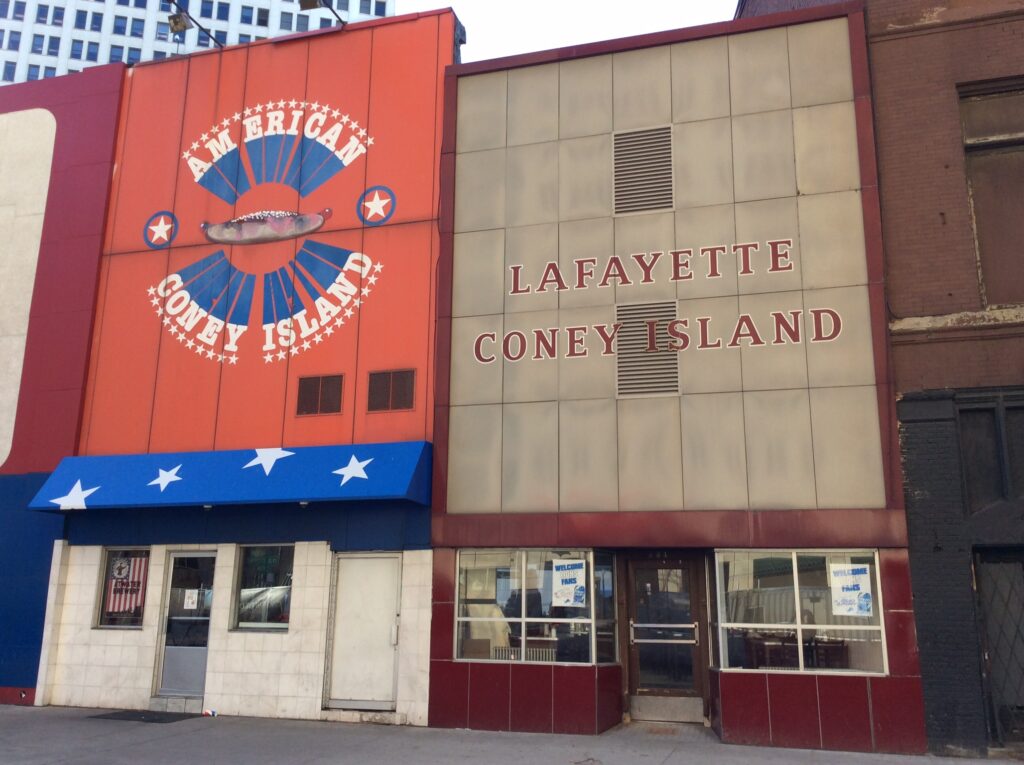
If a visitor only has time for one Detroit food ritual, it should be a downtown coney dog. The clearest starting point is the long-running faceoff between American Coney Island and Lafayette Coney Island, two neighboring institutions on West Lafayette. Visit Detroit traces the city’s coney tradition to the early 20th century, while its directory notes American Coney Island has served its hot dog with chili, mustard and onions since 1917. That fight over which counter does it better is not a side note. It is part of the meal.
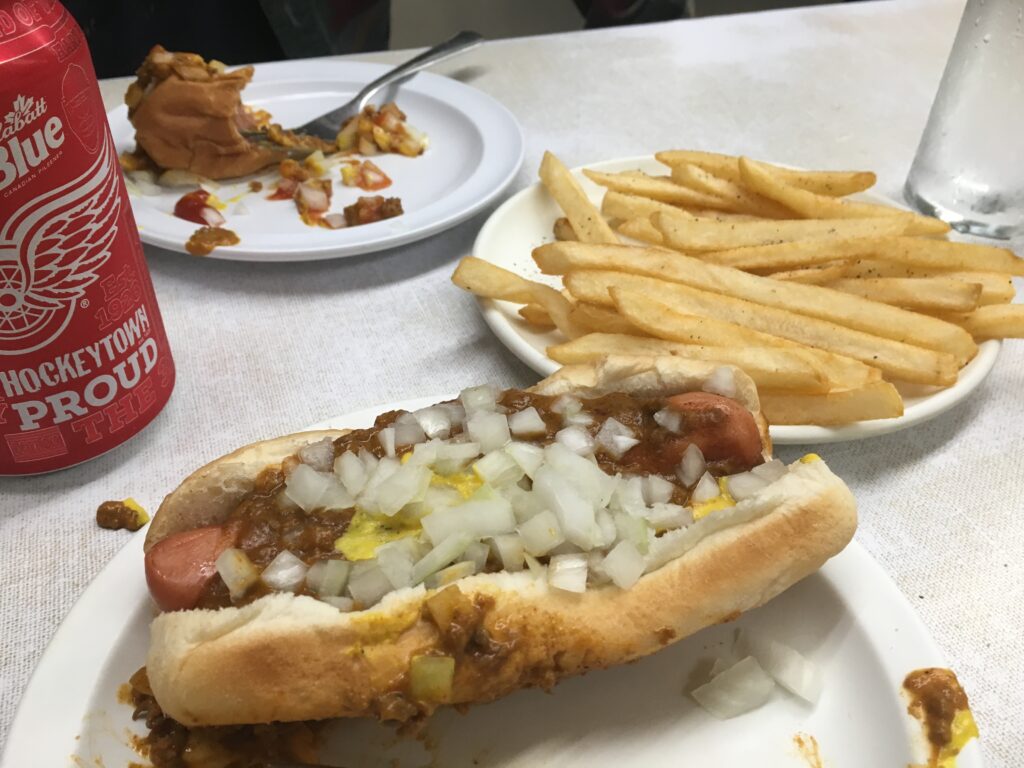
The reason the coney stuck is simple. It was cheap, fast, and built for workers, night owls, and anyone leaving downtown hungry. Detroit took a simple hot dog and made it local through repetition and argument. For visitors, the obvious move is to sample American Coney Island and Lafayette Coney Island back-to-back, then pick a side. In Detroit, that is not overthinking lunch. It is participating in a century-old civic habit.
Detroit-style Pizza: A local pie that went national
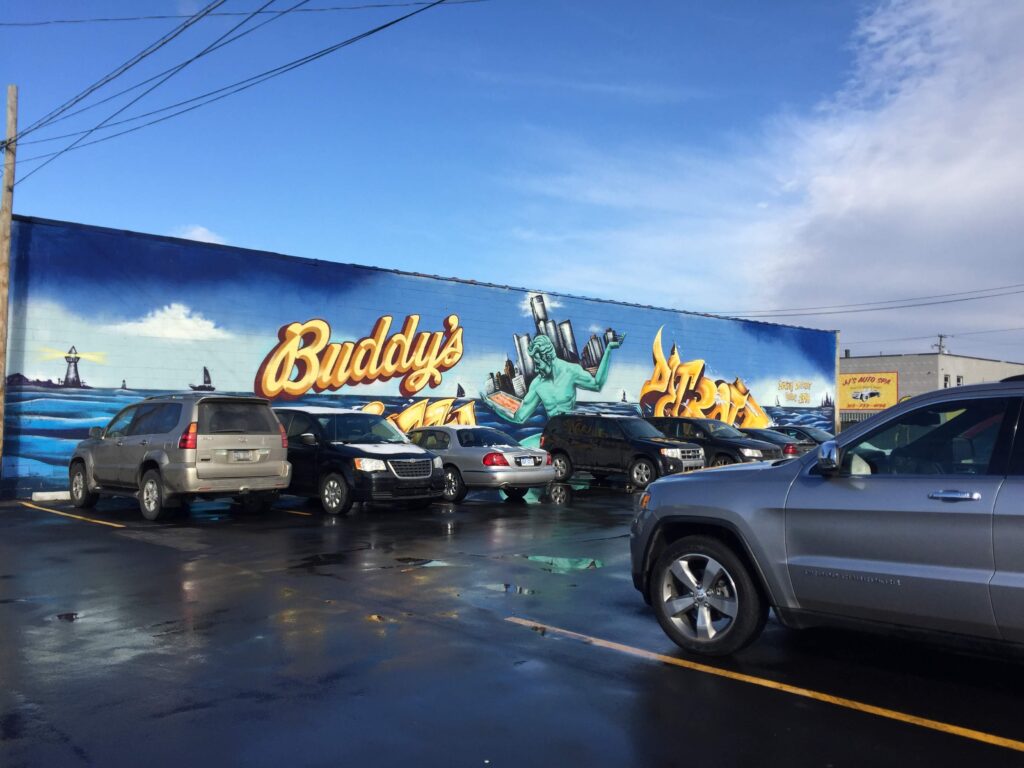
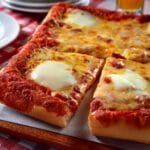
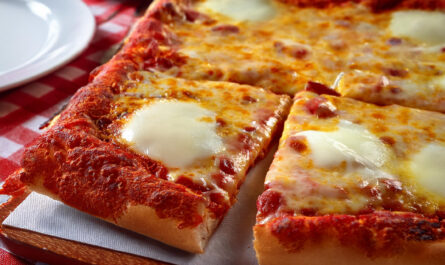
Detroit-style pizza followed a different path. Buddy’s says the style was born in 1946 at Buddy’s Rendezvous on the city’s east side, where the square pie and its steel-pan roots became part of local lore. What began as neighborhood bar pizza is now one of Detroit’s biggest food exports.
That rise changed the competition. Years ago, the contest was mostly local: who had the better crust, the better edges, the better sauce pattern. Now Detroit-style pizza carries national recognition, which means old names and newer players are all selling some version of the same story. For a visitor who wants the classic lane, Buddy’s Pizza remains the required stop, with its Dearborn location offering an easy landing point in metro Detroit. Those who want a more debated, old-school variation can also look at long-running local favorites such as Loui’s in Hazel Park, which still gets featured in current Detroit pizza talk.
Shawarma: The modern must-eat
Any Detroit foods list that skips shawarma is outdated. That shift says a lot about how metro Detroit changed. Eater’s current roundup of iconic Detroit dishes places slow-roasted shawarma near the center of the city’s food identity, alongside coneys and pizza. The regional pull comes largely from Dearborn, where Arab American communities turned Middle Eastern food from a local staple into a metro Detroit signature.
For visitors, Al Ameer in Dearborn is one of the safest and strongest choices. The restaurant’s official site highlights its long-standing role in the area, and the James Beard Foundation named Al Ameer an America’s Classic, noting that it opened in 1989 and became a bedrock institution for Lebanese food in Dearborn. That recognition matters because it marks the point where what was once treated as ethnic neighborhood food became essential Michigan eating.
Sliders: Working-class food that kept its grip
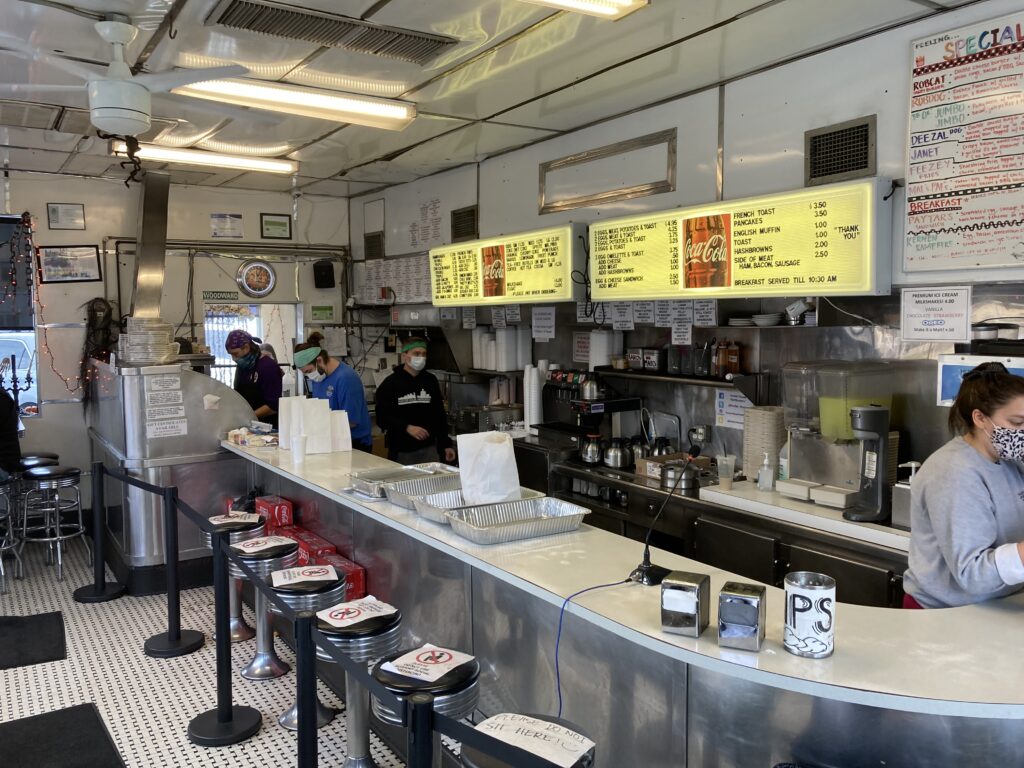
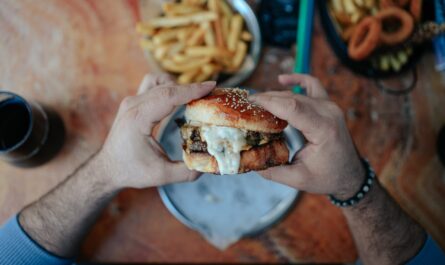
Detroit also held onto the slider long after many cities dressed up the burger and forgot the counter stool. The slider works here because it matches the city’s food habits: fast, direct and better than it needs to be. It is also one of the clearest examples of how old food can survive by remaining useful.
For a visitor, Hunter House Burgers is the practical old-school stop. Its official site still leans on the basics: fresh beef, sweet onions and griddle cooking. For a more modern spin, Green Dot Stables in Detroit offers a slider-focused menu in a newer setting, showing how the same basic format moved from lunch-counter fuel to social-night food. That is the larger Detroit pattern in one bite: the old idea stayed, but the room changed.
Paczki: The seasonal food that became a metro ritual
Paczki may be tied to pre-Lent tradition, but in metro Detroit, they became something larger: a public event, a bakery competition, and a traffic story. Hamtramck remains the center of that ritual. Axios reported that metro Detroit bakeries are still bracing for the annual Fat Tuesday rush, with New Palace Bakery again among the main draws.
That tells you why paczki lasted. The pastry is good, but the ritual is stronger. Long lines, bakery loyalties and once-a-year urgency keep it in the public eye. For visitors in season, New Palace Bakery in Hamtramck is the obvious call. Outside paczki season, a stop at Shatila Bakery in Dearborn makes sense for the broader sweets story. Shatila, founded in 1979, has become one of the area’s best-known pastry shops and a marker of the region’s Middle Eastern dessert culture.
Steakhouse fare and Zip Sauce: old Detroit still has a seat
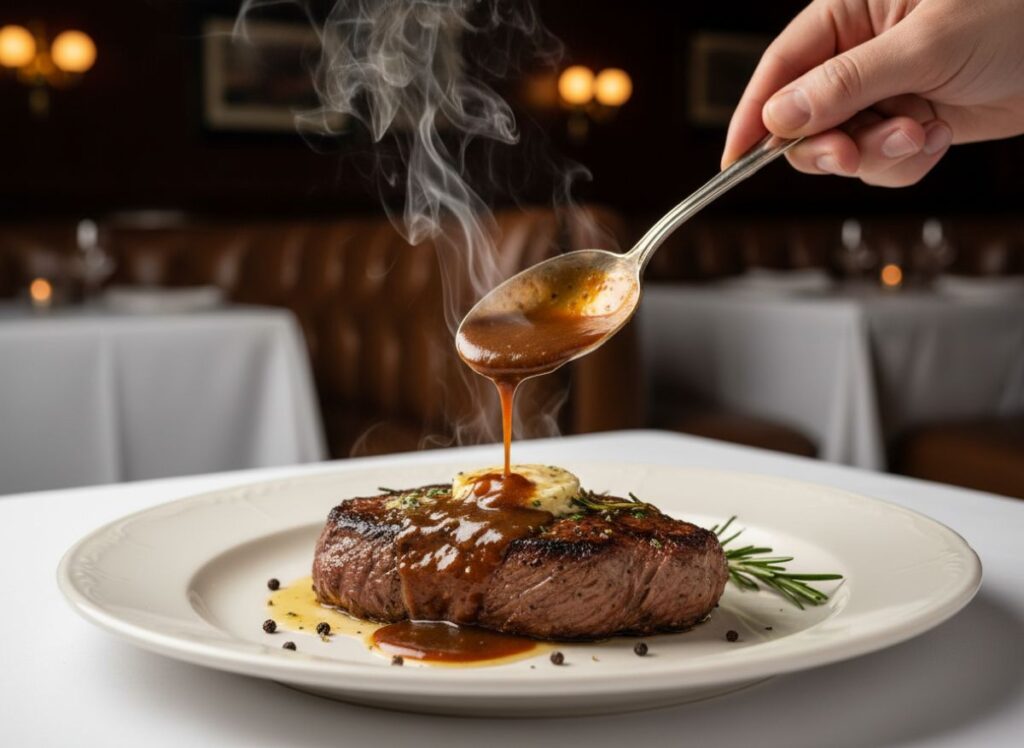
Not every Detroit food story starts at a diner or carryout window. The city’s white-tablecloth rooms mattered too. Zip Sauce, the buttery steak topping tied to Mario Lelli and old Detroit dining culture, grew out of steakhouse competition. It was the sort of house specialty that helped one room stand apart in a city that took dining status seriously.
A visitor looking for that side of Detroit should think less about novelty and more about atmosphere. The London Chop House, which traces its roots to 1938, and The Caucus Club, founded in 1952 as its sister restaurant, carry that older downtown style into the present. Even when menus shift, the point remains the same: Detroit food culture was shaped not only by cheap eats, but by the competition to own the big night out.
Vernors, Better Made and the Boston Cooler: the grocery-store side of the city
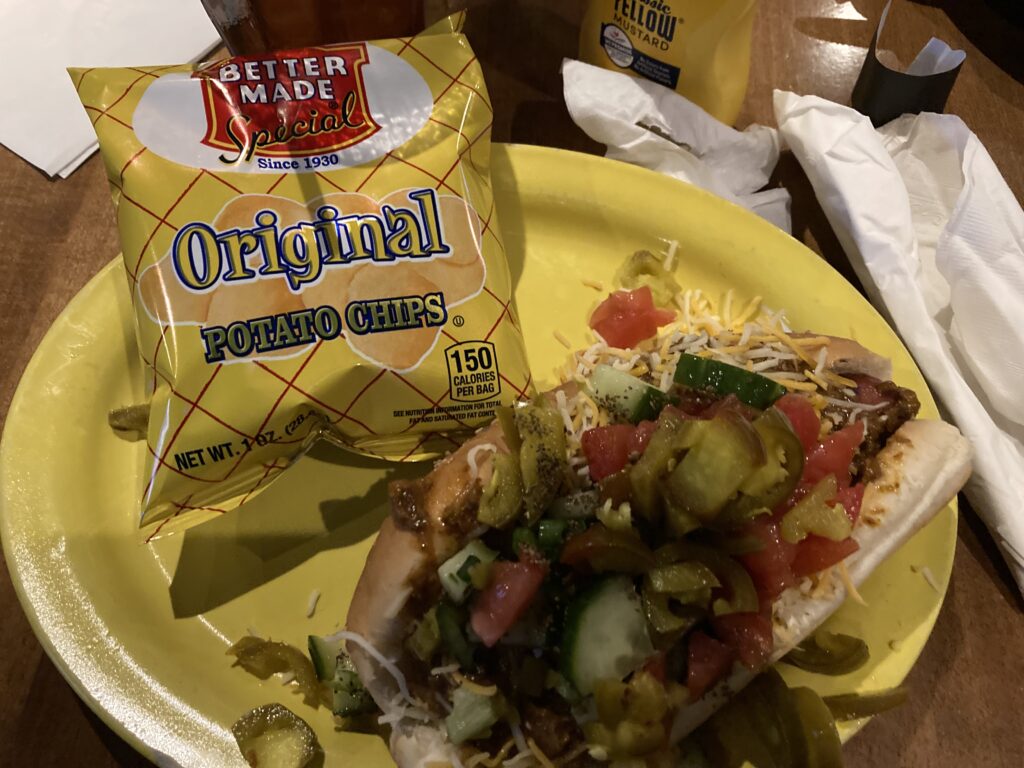
Some Detroit foods are not full meals at all. They are the sidekicks that help define the region. The Detroit Historical Society traces Vernors back to 1866, when James Vernor sold it at his Woodward Avenue pharmacy. Better Made, according to the Detroit Historical Society, has been a Detroit institution since 1930 and remains the survivor of the city’s once-crowded potato-chip business.
The Boston Cooler sits in that same lane. It is one of Detroit’s oddest and most durable drinks, usually made with Vernors and vanilla ice cream. The exact origin story is fuzzy, but Detroit Historical sources and recent coverage both place the drink firmly in the city’s orbit. For a visitor who wants one at a restaurant rather than making one at home, Mercury Burger Bar in Corktown offers a Boston Cooler on its menu. Pair that with a bag of Better Made from a local market, and you have the snack-and-soda side of Detroit covered.
Then and now- Foods that Make Up Detroit
The biggest change in Detroit foods is not that the old dishes have disappeared. It is that the field has widened. The city still runs on coneys, pizza, and sliders, but shawarma and other Middle Eastern foods are now just as central to the region’s reputation. Newer chefs also keep recasting the classics, whether through updated slider menus, fresh takes on deep-dish pizza, or modern spins on old drinks.
That is what makes Detroit such a strong food city for visitors. The classics did not lose. They just had to keep competing. The foods worth trying are the ones that survived neighborhood feuds, immigrant reinvention, suburban shifts, and the social-media era. A coney from downtown, a square pie from Buddy’s, a shawarma in Dearborn, sliders in Detroit, paczki in Hamtramck, and a Boston Cooler in Corktown tell that story better than any slogan can.



One thought on “Detroit Foods – 7 Must-Try Classics Every Visitor Should Try at Least Once”
Comments are closed.