President Nixon Visits Bad Axe, Michigan, April 10, 1974 – Detailed Itinerary


President Nixion visits Bad Axe Michigan to campaign for a special election during April 1974, just days before the Watergate scandal hits his administration.
The Best Stories, Sites and Fun From Around the Great Lakes State.
President Nixion visits Bad Axe Michigan to campaign for a special election during April 1974, just days before the Watergate scandal hits his administration.
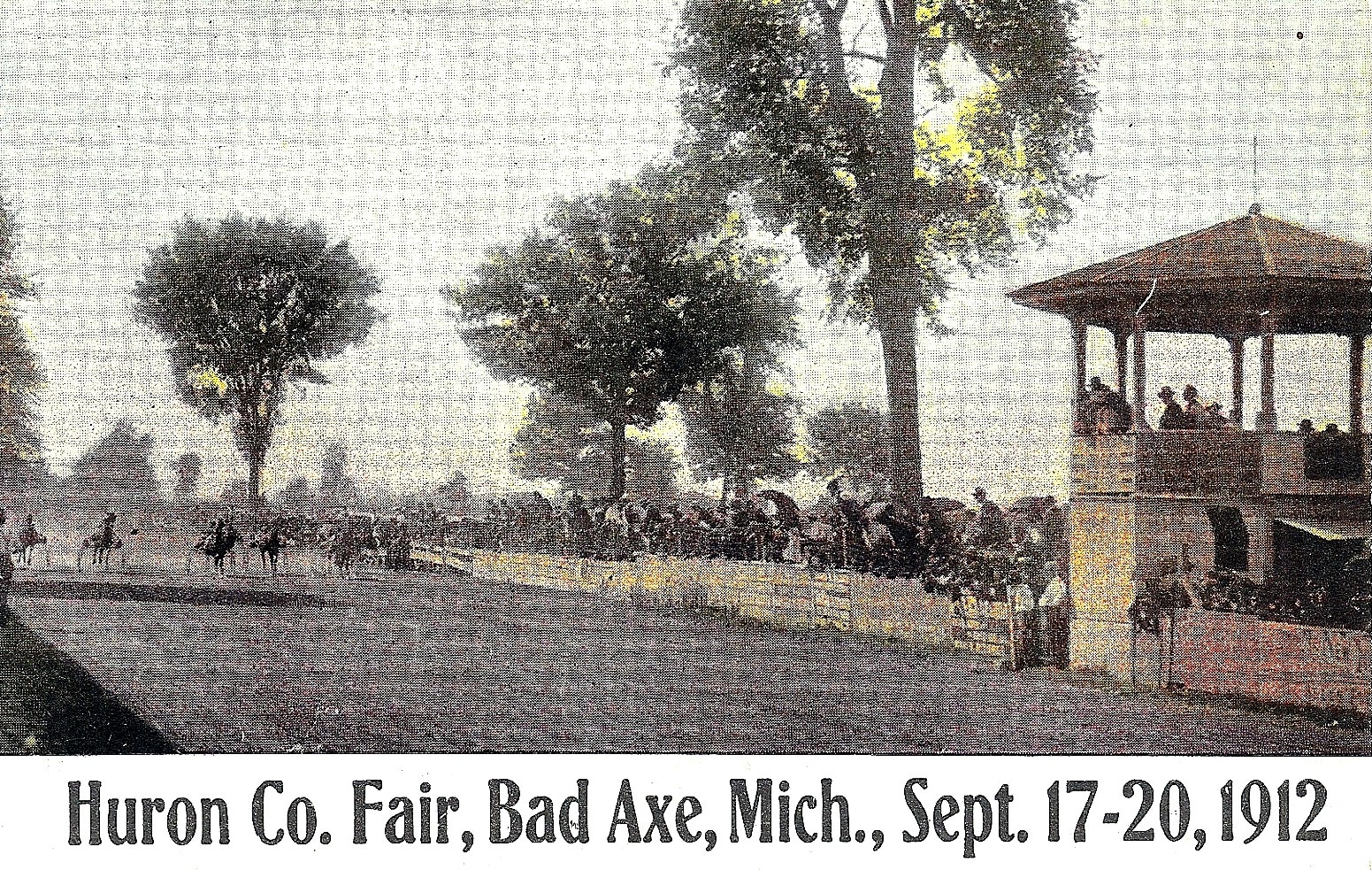
We ran across this unique picture postcard of Zingarella on Facebook. Due credit to Barry Holdship, who collects old photographs of the Upper Thumb. Is the Daredevil Zingarella in Coney …

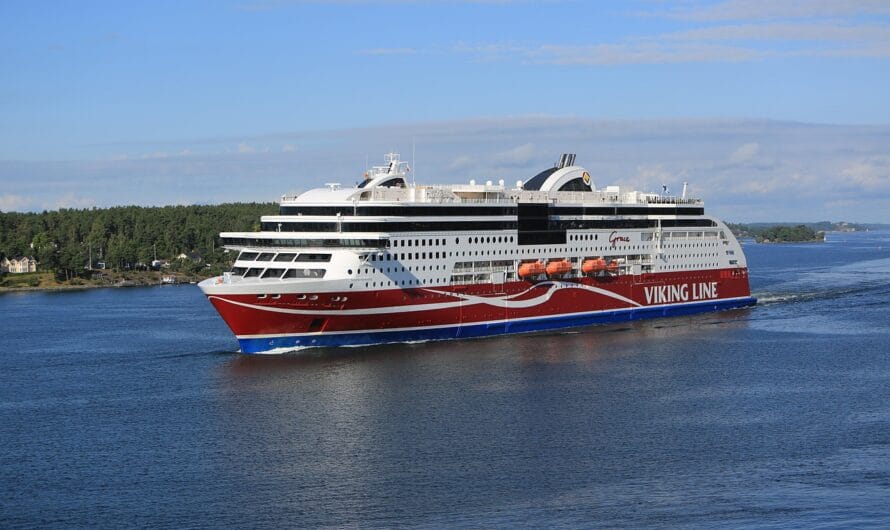
We used Viking’s eight-day Toronto-to-Milwaukee cruise as a real-world test of ChatGPT travel planning. The results uncovered hotel taxes, excursion alternatives, transportation risks and several details travelers should verify before booking.
Pinconning began as a Bay County lumber settlement. Then dairy farming, Dan Horn’s ageable Colby-style cheese and Inez Wilson’s highway marketing turned the small Michigan city into the state’s Cheese Capital.
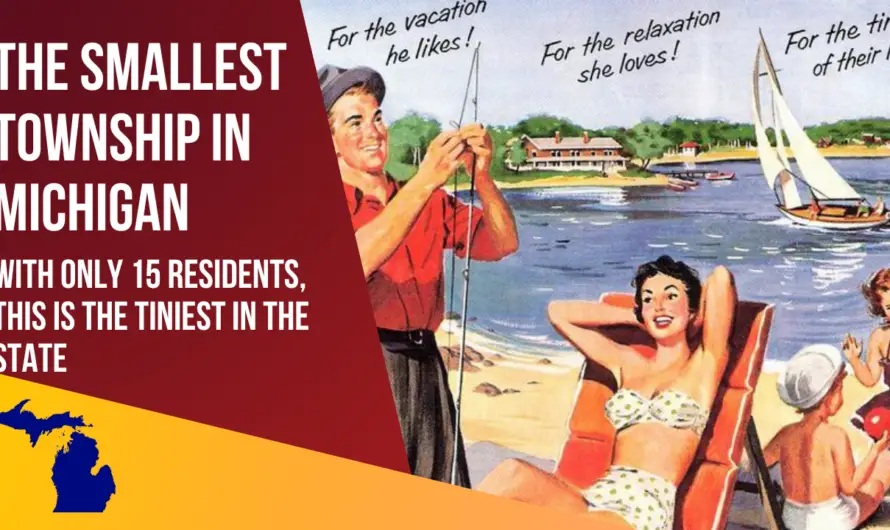
Pointe Aux Barques Township, located at the tip of Michigan’s thumb, is notable for being the state’s least-populated municipality with just 15 residents. Established in 1897, this private community spans 900 acres and features 66 cottages, a nine-hole golf course, tennis courts, clubhouse, and shoreline.
How to read NOAA aurora maps, understand Kp values, and compare cloud forecasts before choosing a Michigan viewing spot. A Michigan northern lights forecast starts with activity above Earth, but …
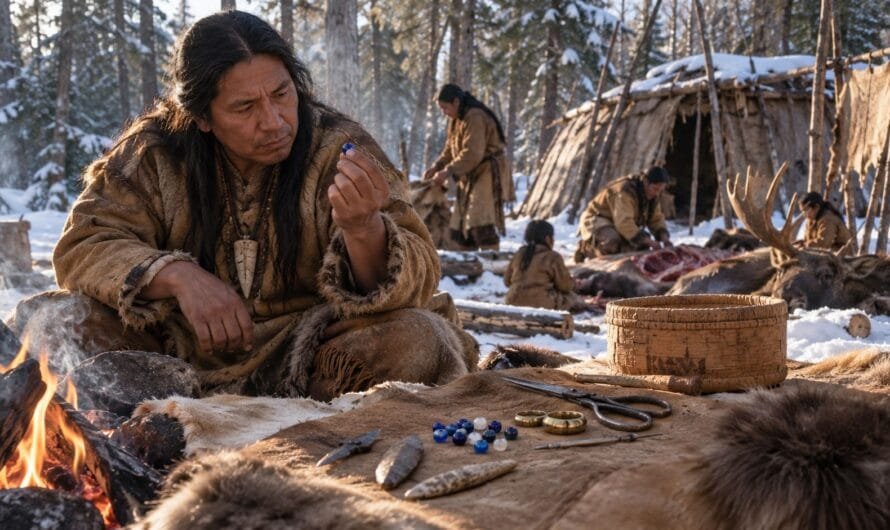
Archaeological evidence from a 1630s winter camp in Michigan’s Upper Peninsula suggests European-made beads, metal tools and other goods moved through Native American Great Lakes trade networks before sustained French …
Planning a Michigan road trip? Learn how MDOT Live Cameras and the Mi Drive map can help you check traffic, snow, crashes, closures and summer construction before leaving home.
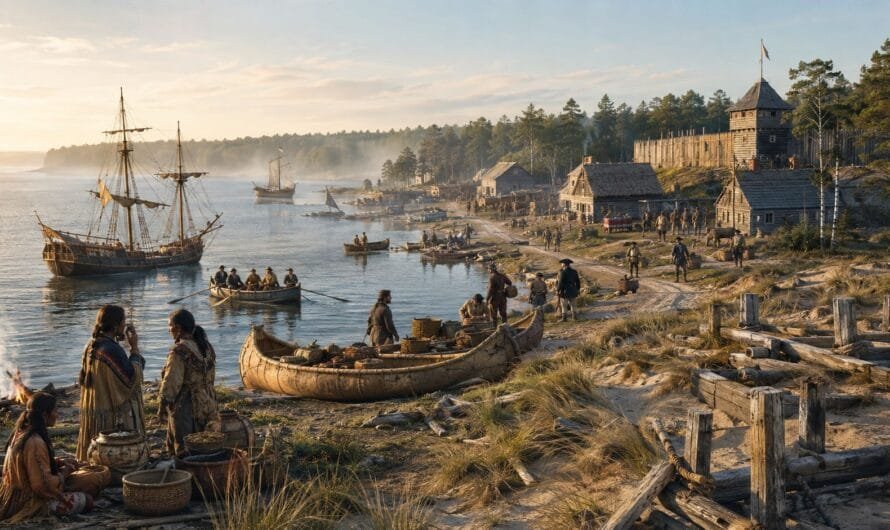
Michigan’s oldest cities began as Indigenous communities, missions, forts, trading posts and river settlements. Some grew into major cities. Others were abandoned, relocated or covered by sand. This history follows 13 surviving communities and seven sites that vanished from Michigan’s map.
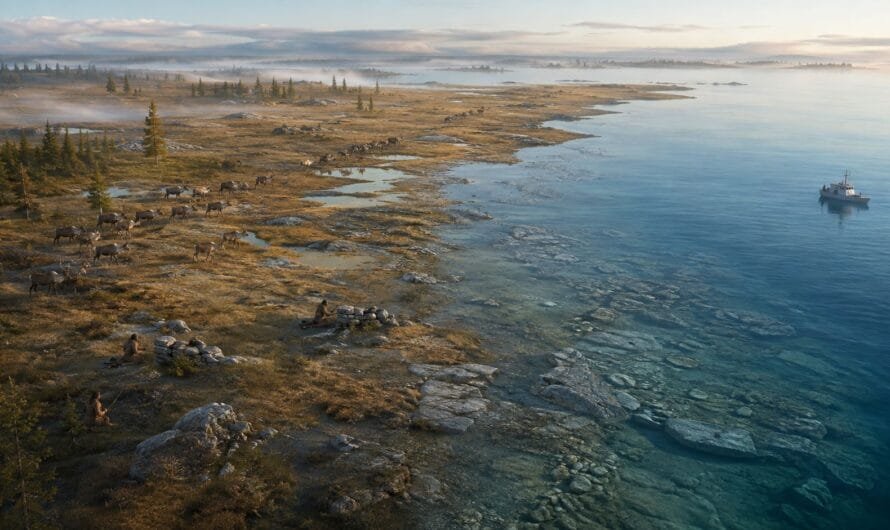
The submerged Alpena-Amberley Ridge preserves stone hunting lanes, blinds and artifacts from a time when lower water levels exposed a vast land bridge beneath what is now Lake Huron.